The deadliest ambush in Mali’s recent history unfolded on July 18 when a joint Malian army and Russian Africa Corps convoy came under a devastating attack near the remote village of Tabrichat in the northern Gao region. The assault, which targeted a stretched-out military column, resulted in over 50 Malian fatalities, dozens of missing soldiers, and shocking reports of captured troops being executed in cold blood. The tragedy has ignited nationwide outrage and exposed glaring weaknesses in both local and foreign military coordination.
the ambush: a perfectly executed trap
After weeks of intense fighting to secure the strategic Anéfis camp, Malian and allied forces initiated a repositioning maneuver on July 18. The convoy, consisting of armored vehicles and troop transporters, split into two sections: Russian mercenaries of the Africa Corps led the procession, while Malian troops brought up the rear. The attack struck at Tabrichat, a critical junction linking Gao, Bourem, and Kidal, where the terrain provided ideal cover for the ambush.
Exploiting the convoy’s elongated formation, fighters from the Jama’at Nusrat al-Islam wal Muslimin (JNIM) and the Cadre Stratégique pour la Défense du Peuple de l’Azawad (FLA) launched a coordinated barrage of fire. The assault focused exclusively on the Malian rear section, leaving troops stranded under relentless gunfire and rocket strikes.
a grim tally and documented war crimes
The immediate aftermath revealed a horrifying human cost. At least 50 Malian soldiers were killed, and another 30 were unaccounted for—either captured or missing. This staggering loss marks one of the bloodiest defeats for Mali’s armed forces in the past 15 years.
The situation worsened when disturbing footage began circulating online, showing captured Malian soldiers being executed at close range by JNIM/FLA fighters. These blatant violations of international humanitarian law have intensified public anger, particularly as some of the videos were initially shared through channels linked to the Africa Corps, further deepening suspicions about the mercenaries’ role in the crisis.
the rise of a new jihadist alliance
Analysis of the attack’s aftermath confirmed the direct involvement of high-ranking jihadist commanders. Video evidence revealed the presence of Hamza Ag Gali, son of Iyad Ag Gali, the founder of Ansar Dine and spiritual leader of JNIM. His involvement underscores not only the strategic planning behind the ambush but also the generational shift within the insurgent command structure.
The attack also highlighted the operational synergy between JNIM and FLA factions, which have increasingly merged their efforts along the Anéfis-Gao axis. Their ability to execute complex maneuvers suggests that recent security reorganizations have failed to neutralize the threat posed by these groups.
the russian mercenaries’ controversial retreat
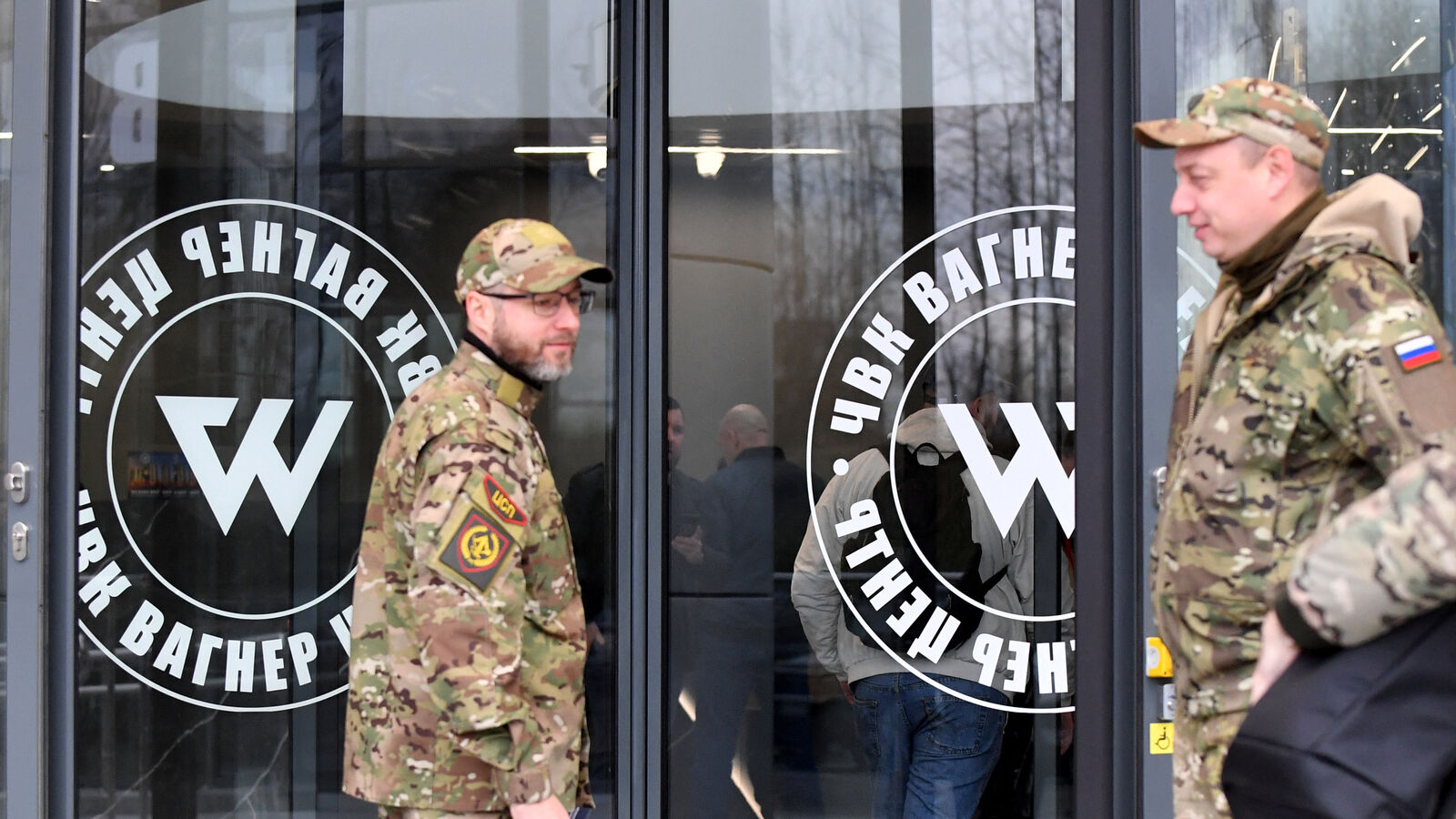
The Africa Corps’ conduct during the ambush has become a focal point of criticism. While the Russian contingent suffered no casualties in the initial assault, they continued their advance toward Gao without returning to assist their Malian allies, who were trapped under heavy fire just kilometers behind.
This decision has raised urgent questions about the Africa Corps’ priorities:
- Coordinated failure: How could two segments of the same convoy operate without mutual defense protocols?
- Strategic abandonment: Did the Russian forces receive orders to prioritize their own survival over supporting Malian troops, or were they simply unable to respond effectively?
The lack of intervention has cast doubt on the reliability of foreign mercenary support in Mali’s ongoing conflict, particularly as the Africa Corps positions itself as a key ally in the fight against insurgency.
public outrage and the future of northern Mali’s security
The shockwaves from the Tabrichat ambush have reverberated across Mali, from Bamako to the northern strongholds. While the nation mourns its fallen soldiers, citizens are demanding accountability from both the military command and the government. The tragedy has exposed critical vulnerabilities in the country’s security strategy, particularly regarding the fragile supply routes and the sustainability of current military partnerships.
As the JNIM/FLA coalition demonstrates renewed resilience and tactical sophistication, the events of July 18 may force Mali’s leaders to reconsider their alliances and rethink the very foundations of their counterinsurgency approach.