LOMÉ, June 10, 2026 — Togo’s National Assembly has approved four pivotal laws to bolster nuclear safety and radiological risk management. The landmark decision, made during Tuesday’s third plenary session of the first ordinary session of the year, aligns the country’s legal framework with international standards.
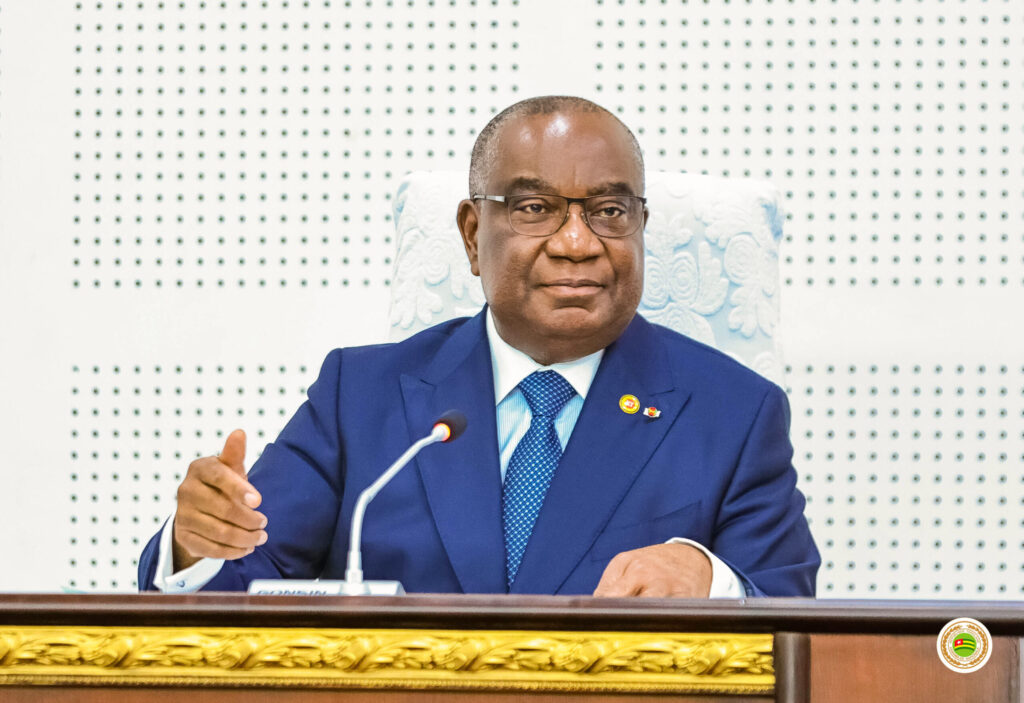
Chaired by Assembly President H.E. Prof. Komi Selom Klassou, the session included the participation of Robert Koffi Messan Eklo, Minister Delegate in charge of Energy. Lawmakers endorsed the texts in first reading, paving the way for Togo’s accession to four key international conventions: the Nuclear Safety Convention (Vienna, 1994), the Joint Convention on the Safety of Spent Fuel Management and Radioactive Waste (1997), the Convention on Early Notification of a Nuclear Accident (1986), and the Convention on Assistance in the Case of a Nuclear Accident or Radiological Emergency (1986).

Multilateral commitment through four global conventions
«Nuclear energy represents the future, with applications spanning vital sectors such as electricity generation, healthcare, industry, agriculture, and livestock,» noted Aklesso Atcholi, President of the UNIR. «Yet, ensuring robust safety measures is non-negotiable to safeguard people, property, and the environment.»
While nuclear technologies unlock transformative opportunities—particularly in medical treatments and agricultural efficiency—their environmental risks demand constant vigilance. By ratifying these conventions, Togo not only strengthens its domestic preparedness but also gains access to global mechanisms for real-time information sharing and mutual assistance in emergencies.
«These laws reflect a forward-thinking strategy: we are not merely embracing an energy of tomorrow; we are committing to the highest safety standards,» stated Minister Eklo. «Ratifying these texts sends a clear message to the world: Togo is a modern, responsible, and meticulous nation.»
Balancing technological progress with safety imperatives
For the Speaker of the National Assembly, Professor Komi Selom Klassou, this reform embodies a doctrine of collective responsibility in addressing cross-border crises.
«Guided by the tragic lessons of Chernobyl, Togo firmly believes that no nation can confront such risks in isolation,» he asserted, framing these laws within a broader vision of population protection and peaceful diplomacy.
Following Togo’s parliamentary procedures, these four draft laws will now be forwarded to the Senate for review in identical terms. Upon approval and promulgation, the country will complete its institutional transformation, irrevocably linking technological advancement with public safety obligations.