Global youth unrest puts education systems to the test
In 2026, student protests erupted across Europe, Africa, and beyond as underfunded schools, unaffordable housing, and political disillusionment collided. From Paris to Pretoria, young people are demanding action on issues that threaten their futures: rising tuition fees, deteriorating learning conditions, and limited job prospects even after graduation.
Europe’s classrooms become battlegrounds
French high schools led the movement in September, escalating to over 1,000 disrupted campuses by October 1. Students cited overcrowded classrooms, teacher shortages, and crumbling infrastructure as core grievances. Authorities responded with a mix of police presence and policy announcements, though clashes marred some demonstrations.
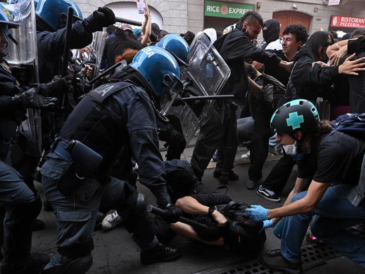
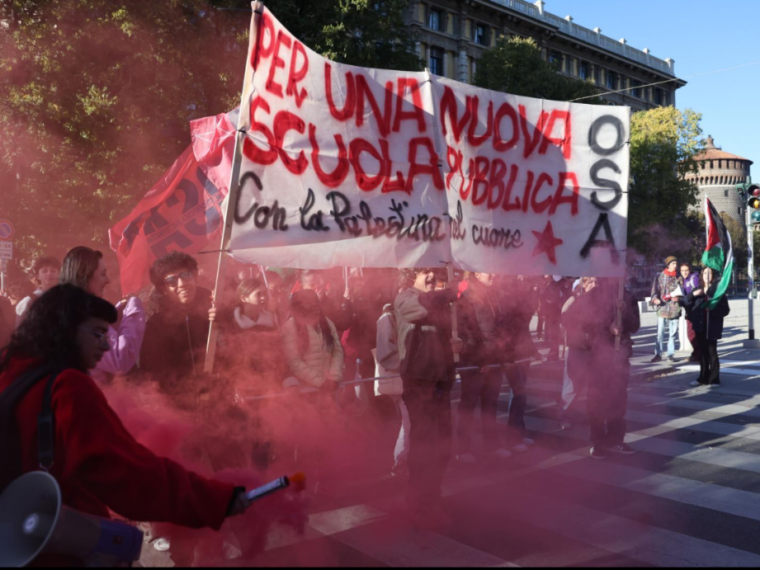
In Italy, protests turned confrontational on October 16 when thousands marched against education budget cuts and a controversial decree limiting immigrant student enrollment. Rome, Milan, and Turin witnessed clashes, with fires and projectiles reported. Greek students joined the wave on October 21, calling for free textbooks, affordable housing, and expanded public education funding amid Athens’ soaring living costs.
Belgium’s francophone schools also mobilized in early October, rejecting austerity measures in education. Despite periodic violence, their demands mirror broader European concerns: smaller class sizes, better teacher recruitment, and economic fairness for students.
African universities paralyzed by financial crisis
Senegal’s Cheikh-Anta-Diop University in Dakar faced prolonged shutdowns after delayed scholarship payments plunged students into poverty. The death of student leader Abdoulaye Ba in February 2026 intensified tensions, prompting university closures and a government probe. In Kenya, university strikes over unpaid lecturer salaries disrupted Nairobi courses, leaving students in academic limbo. South Africa’s Rhodes University saw protests over debt-based re-enrollment rules—13 arrests followed before charges were dropped.
South America and Asia: where economics meets education
Argentine students marched nationwide on October 15, demanding compliance with university funding laws and wage increases for staff. Their rally highlighted the gap between legislation and reality, as public institutions struggle under budget constraints. Meanwhile, Indonesian students protested in June against fuel price hikes, food inflation, and perceived military overreach, tying educational struggles to broader economic instability.
Can repression coexist with reform?
Governments have responded with mixed tactics: budget pledges, campus closures, arrests, and force. While protecting lives and property is non-negotiable, heavy-handed tactics risk deepening distrust. Students aren’t just asking for safe streets—they want verifiable solutions: consistent scholarship disbursements, teacher hires, building repairs, and housing support.
Some movements are locally driven; others reflect shared frustrations over living costs and political representation. What unites them is a demand to shape the systems that govern their futures. The question now is whether states will listen—or if the unrest will grow louder.
Beyond protests: restoring faith in education
These uprisings aren’t just about tuition or exam delays. They signal eroding trust in institutions that fail to deliver on education’s promise—a stable path to opportunity. When diplomas no longer guarantee employment, and learning environments deteriorate, the social contract frays.
The challenge for leaders is clear: address the grievances, not just the noise. That means investing in schools, honoring financial aid commitments, and involving students in policy decisions. Failure to do so risks turning temporary demonstrations into a generation’s disillusionment.