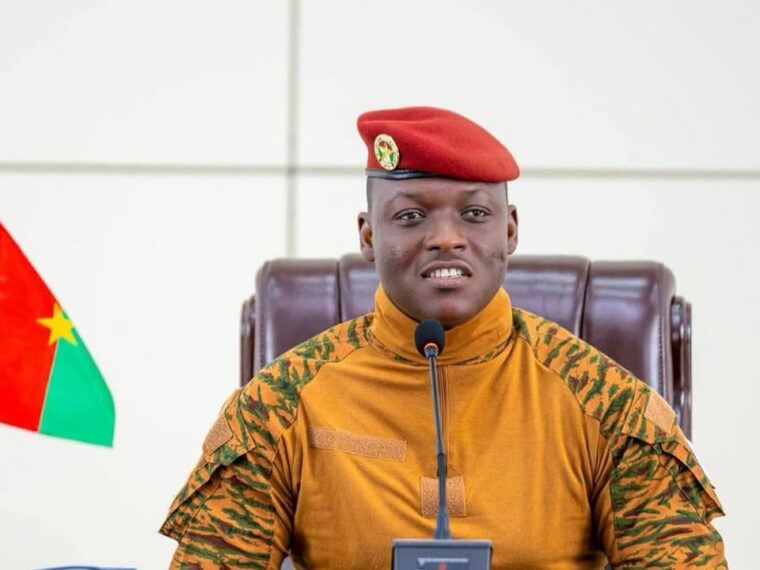

A historic moment has arrived as Burkina Faso’s transitional leader, Captain Ibrahim Traoré, and France’s far-right opposition figure Marine Le Pen publicly align their visions for sovereignty. Their emerging alliance is sending ripples across West Africa and beyond, signaling a potential turning point for regional politics and international relations.
From rhetoric to reality: what the Traoré-Le Pen convergence means
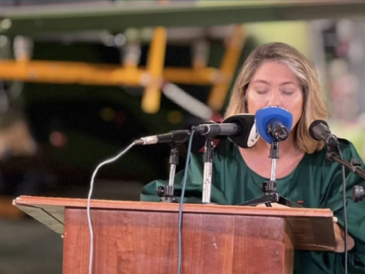
Their shared emphasis on national sovereignty is more than just political posturing — it represents a tangible shift in how African and European nations are redefining their strategic priorities. Captain Traoré’s September 11 address at Nazi Boni University in Bobo-Dioulasso marked a watershed moment, publicly echoing Le Pen’s long-standing calls for independence from foreign interference.
This convergence isn’t merely symbolic. Both leaders have consistently championed policies centered on:
- Rejecting external military presence
- Prioritizing domestic governance over foreign influence
- Advocating for economic self-sufficiency
- Reclaiming cultural and political autonomy
While their ideological roots differ, their shared critique of Western involvement in African affairs has created an unexpected synergy.
Why this alliance matters for West African security
The Traoré-Le Pen alignment comes at a critical juncture for regional stability. As the Alliance of Sahel States (AES) strengthens its unity against perceived neocolonial forces, this partnership introduces new dynamics into the security landscape:
Bolstered regional independence
By publicly endorsing mutual sovereignty principles, Traoré and Le Pen are legitimizing a new framework for cooperation that prioritizes mutual interests over historical power imbalances.
Challenging traditional alliances
Their stance directly challenges existing security partnerships, potentially reshaping defense agreements and military cooperation across the Sahel and West Africa.
Influencing domestic policies
This alliance is already prompting shifts in national policies, with both leaders facing pressure to translate their rhetoric into actionable reforms.
Public reaction: between hope and controversy
The announcement has sparked intense debate across West Africa. Supporters praise it as a long-overdue correction to decades of foreign interference, while critics warn of potential isolation and economic fallout.
Key areas of contention include:
- Potential disruptions to existing aid programs
- Uncertainty around future military support
- Economic implications of reduced international cooperation
- Questions about democratic governance in the new alliance
The public response reflects broader tensions between the desire for independence and concerns about isolation from crucial international partnerships.
Looking ahead: what comes next for the Traoré-Le Pen alliance?
As this political realignment gains momentum, several critical questions emerge:
Can the alliance translate words into action?
The true test will be whether their shared principles lead to concrete policy changes and sustained cooperation.
How will regional neighbors respond?
Other West African nations will need to carefully assess their positions as this new dynamic takes shape.
What role will international partners play?
Foreign governments and organizations will face decisions about how to engage with this emerging partnership while protecting their own interests.
The trajectory of this alliance will likely influence West African politics for years to come, potentially redefining the balance of power across the entire region.
One thing is certain: this convergence represents more than just a political moment — it signals a transformative shift in regional geopolitics that demands close attention.