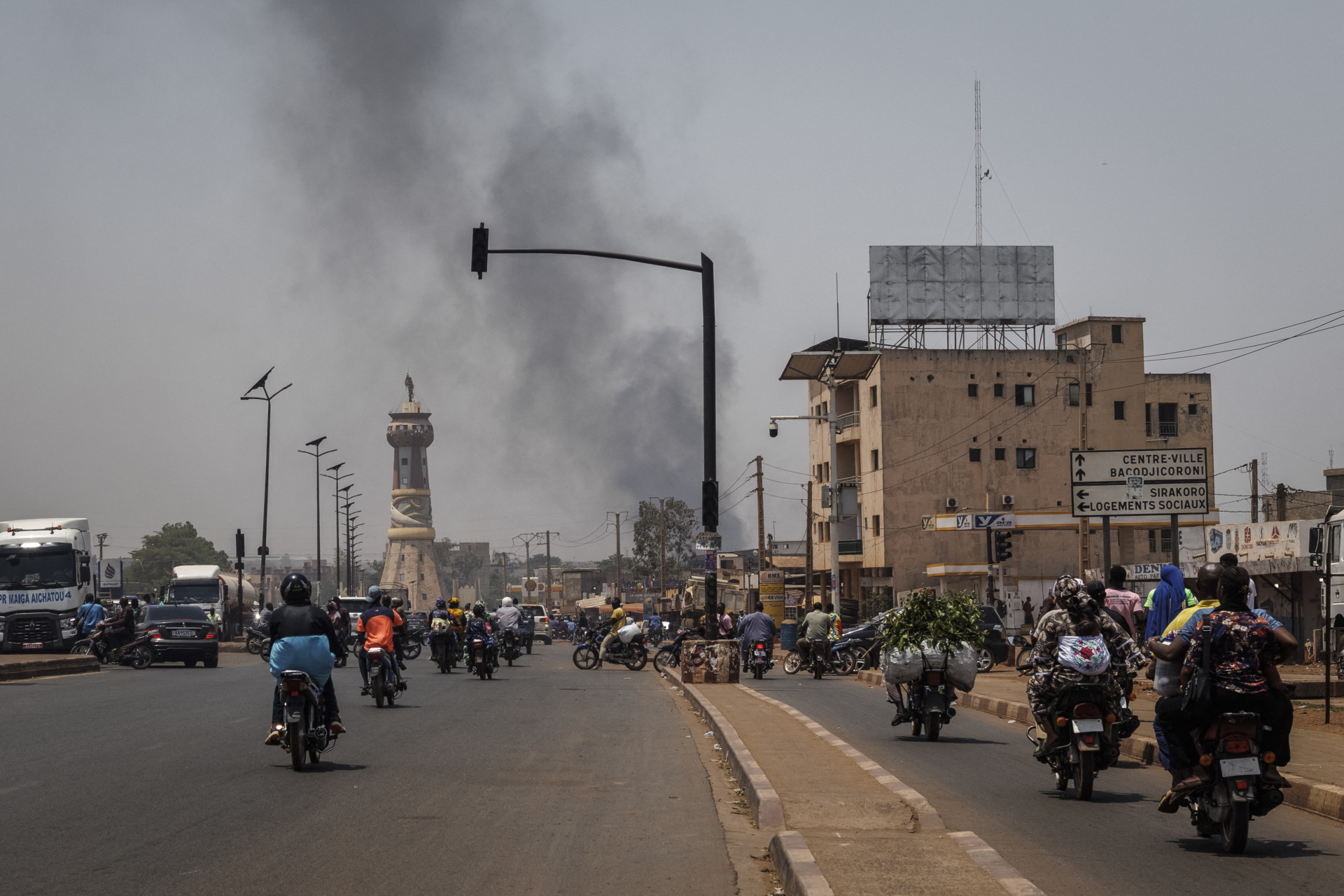
Mali finds itself grappling with an exceptionally precarious security landscape, marked by recent assaults that have reportedly claimed hundreds of lives among both civilians and military personnel, as indicated by various security assessments.
Observers from Western nations highlight northern Mali as a pivotal region, holding the potential to reshape political dynamics across Mali, Niger, Burkina Faso, Chad, and Mauritania.
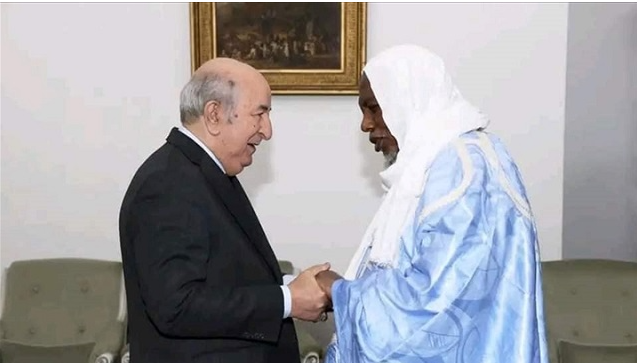
Operating from his Algerian base, a nexus of Sahelian influence, Imam Mahmoud Dicko has transcended his previous role as merely a moral figure. He now projects himself as a spiritual leader wielding significant authority, a stature that some analysts liken to a centralized religious hierarchy, reminiscent of the Iranian system. His adherents frequently portray him as a quasi-caliphal personality, embodying comprehensive moral and religious governance that extends far beyond conventional spiritual guidance.
With specific guidance from Algerian intelligence agencies, the Imam is reportedly directing his strategic focus towards Kidal, Gao, and Timbuktu – three profoundly symbolic and strategically vital territories within the Malian state.
Dominating these areas signifies more than just urban command; it translates into mastery over crucial transit routes, intricate regional alliances, and the delicate geopolitical equilibrium of the wider region.
Troubling developments have been observed on the ground, according to sources in Tamanrasset. A battalion from Algeria’s 4th Military Region is said to have relocated to the 6th Military Region, reportedly subdividing into five distinct units to evade satellite detection.
Under the leadership of General Saïd Chengriha and President Abdelmadjid Tebboune, the Algerian government is reportedly providing backing to both Imam Mahmoud Dicko’s militias and various armed jihadist factions. This support is ostensibly aimed at securing control over northern Mali, with a subsequent objective of destabilizing leaders in other Sahelian nations. This strategy is reportedly unfolding amidst the backdrop of military actions undertaken by the US administration under President Donald Trump against Iran, and by Israel against Iranian-aligned proxies.
While officially maintaining an exile status in Algeria, drawing parallels to Ruhollah Khomeini’s time in France, Mahmoud Dicko is, in practice, consolidating his position as a pivotal decision-maker. He is expanding his influence into areas where the Algerian state, helmed by President Abdelmadjid Tebboune and General Saïd Chengriha, struggles to exert its authority, thereby providing crucial support for what are perceived as existential imperatives.
The French Foreign Ministry, or Quai d’Orsay, has declared Mali’s security environment “extremely volatile” following a series of assaults on Saturday, April 25, which impacted various regions, including the capital, Bamako. Consequently, France has updated its advisories, urging its citizens in Mali to “arrange a temporary departure as soon as feasible, utilizing available commercial flights.”
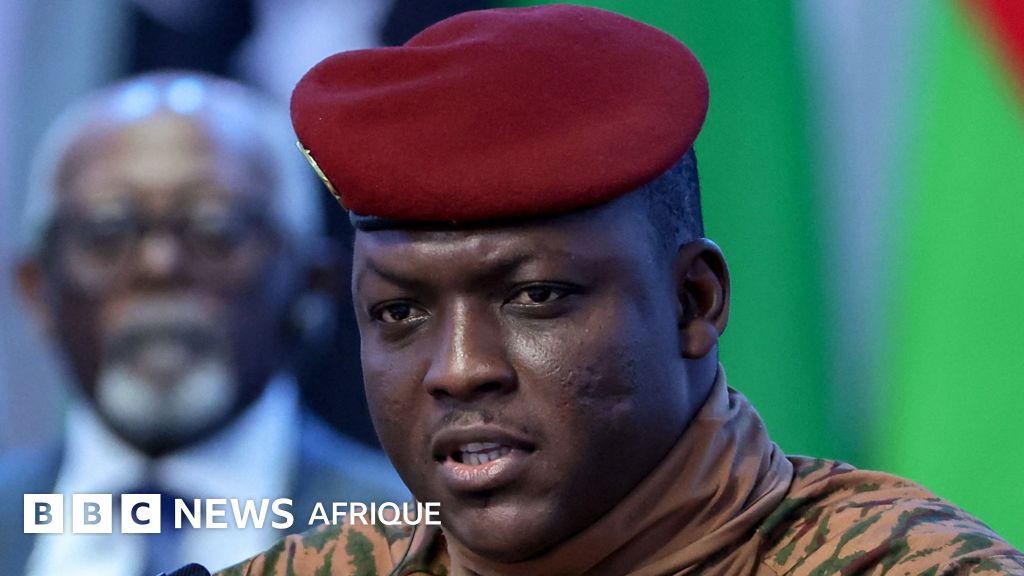
Conversely, Mali’s interim leader, General Assimi Goïta, asserted on Tuesday that the nation’s security posture was “under control.” This statement came three days after a wave of unprecedented attacks launched by armed factions. General Goïta delivered his first public address since these lethal incursions by jihadists from Jama’at Nusrat al-Islam wal-Muslimin (JNIM), who are reportedly aligned with Tuareg separatists from the Azawad Liberation Front (FLA), during a national broadcast on ORTM public television Tuesday evening.