During a high-level meeting in Buenos Aires, Argentine officials formally requested Morocco’s support for Rafael Grossi’s candidacy to succeed António Guterres as United Nations Secretary-General. The request was made on June 11 during the eighth session of the joint commission and the sixth round of political consultations between the two countries.
The Argentine delegation, led by Roberto Salafia, Undersecretary for International Economic Negotiations and Integration, and Juan Manuel Navarro, Undersecretary for Foreign Policy, emphasized the strategic importance of Grossi’s candidacy. With his extensive experience as Director General of the International Atomic Energy Agency (IAEA), Grossi is seen as a seasoned diplomat capable of navigating complex international crises and fostering dialogue among global powers.
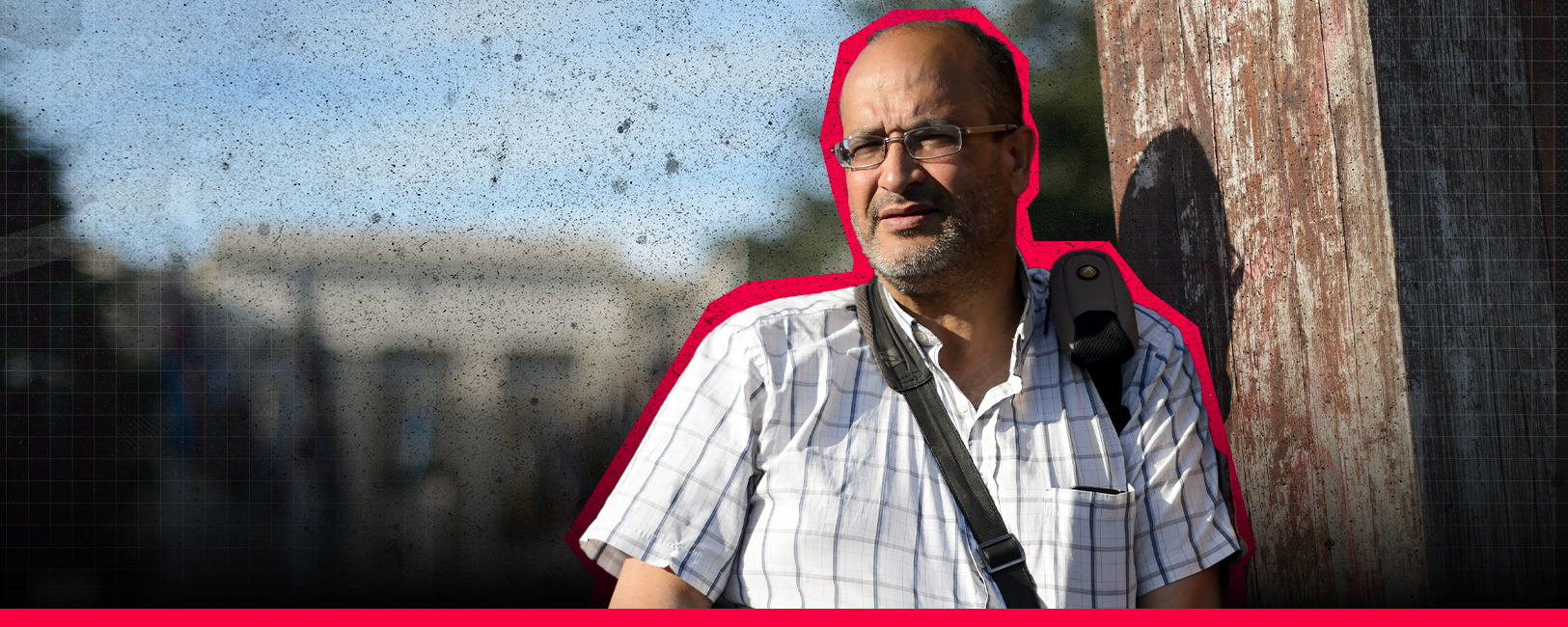
The Moroccan delegation, headed by Fouad Yazourh, Director General of International Political Affairs at the Ministry of Foreign Affairs, engaged in discussions covering bilateral relations, global challenges, and opportunities for deeper collaboration. Argentina highlighted Grossi’s role in managing sensitive nuclear negotiations, including Iran’s atomic program and the safety of Ukrainian nuclear facilities amid the Russian-Ukrainian conflict, positioning him as a candidate with the technical and political expertise needed to revitalize the UN.
Morocco’s pivotal role in securing African support
Argentina’s campaign to rally international backing for Grossi’s candidacy relies heavily on securing endorsements from African nations, where Morocco holds significant diplomatic influence. With active participation in African and multilateral institutions, Morocco’s endorsement could strengthen Argentina’s bid by enhancing Grossi’s credibility on the continent and facilitating alliances with key players in the UN Security Council and General Assembly.
The competition for the UN Secretary-General position includes prominent figures such as former Chilean President Michelle Bachelet, supported by Brazil, Rebeca Grynspan, Secretary-General of the United Nations Conference on Trade and Development (UNCTAD), and María Fernanda Espinosa of Ecuador. The diversity of candidates underscores the need for Argentina to build a broad coalition beyond its regional sphere.
Argentina’s diplomatic strategy emphasizes Grossi’s ability to engage with major powers, maintain dialogue during crises, and restore the UN’s political influence. Morocco, with its strong diplomatic network across Africa, strategic partnerships in Europe, the United States, and the Global South, is viewed as a critical ally in this endeavor. Rabat’s support could provide Argentina with a vital political foothold in a region where vote consolidation is crucial.
Bilateral trade exceeds $1 billion, paving the way for deeper ties
The economic dimension of the consultations highlighted the robust trade relationship between Argentina and Morocco, which reached $1.092 billion in 2025. Morocco stands as Argentina’s second-largest trading partner in Africa, and discussions focused on expanding this commercial exchange by incorporating higher-value products and exploring new areas of collaboration.
Key sectors identified for growth include agriculture, energy, healthcare, tourism, food safety, and aviation. Both delegations underscored the need to strengthen bilateral trade structures, streamline administrative processes, and foster joint initiatives in industries where both economies exhibit complementary strengths. Argentina’s automotive, fertilizer, aerospace, and textile sectors present opportunities for commercial agreements, technical cooperation, and increased market presence for Argentine companies in Africa.
For Morocco, Argentina serves as a vital agricultural supplier and a gateway to South America. Talks revolved around enhancing agro-food product standards, sharing expertise in energy, and establishing direct air links to reduce the commercial and diplomatic distance between the two continents. Argentine officials also stressed that the relationship has evolved beyond commerce, offering a platform for political coordination on global issues, South-South cooperation, and amplifying the voice of developing nations in international institutions.