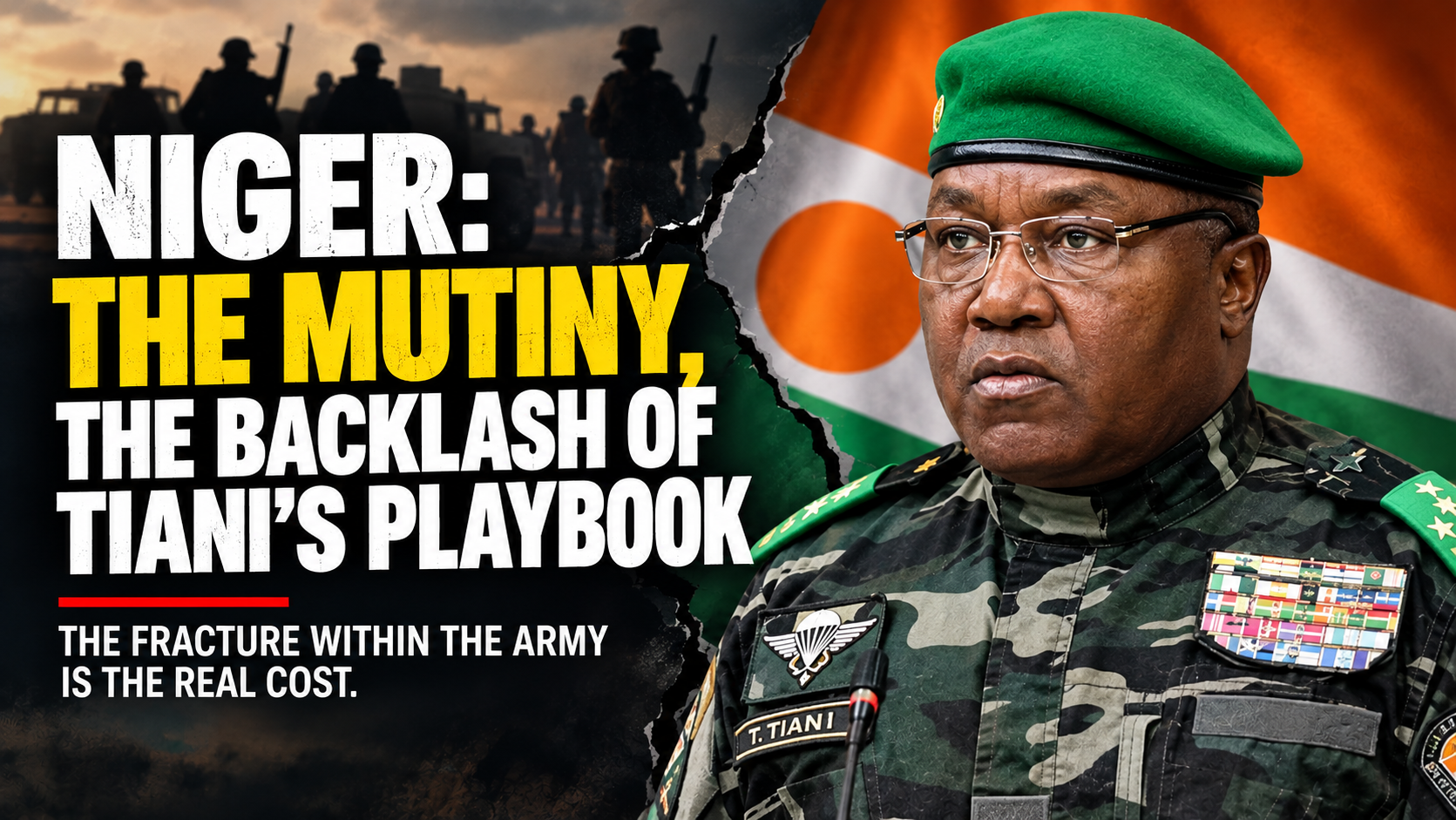
Inside the Sahel’s widening instability
The Sahel region is witnessing a rapidly evolving security landscape, where shifting alliances and deepening fractures are redefining the contours of conflict. What began as isolated insurgencies in Mali has now expanded into a transnational threat, stretching from the arid plains of northern Niger to the borderlands of Nigeria. This expansion is not merely geographical—it reflects a strategic fragmentation that threatens to destabilize entire nations.
The rise of new militant networks
Over the past year, militant factions operating across the Sahel have demonstrated an unprecedented capacity for adaptation. The proliferation of splinter groups and the blurring of ideological lines have created a complex web of alliances that defies traditional counterterrorism approaches. These groups, once confined to specific territories, now coordinate across borders, exploiting weak governance and porous frontiers to expand their influence.
In northern Mali, the emergence of hybrid factions—blending local grievances with transnational jihadist ideologies—has further complicated the security equation. Their tactics, marked by asymmetric warfare and targeted violence, underscore the evolving nature of the threat, which no longer responds to conventional military strategies.
Regional fragmentation: a self-reinforcing cycle
The Sahel’s instability is also fueled by deepening political and social fractures. In Niger, for instance, the collapse of central authority in key regions has allowed militant groups to fill the void, offering a semblance of governance in exchange for allegiance. Meanwhile, in Nigeria, the insurgency’s southern push has intensified pressure on already strained security forces, raising concerns about a potential domino effect across West Africa.
The erosion of trust between Sahelian states further exacerbates the crisis. Border disputes, competing national interests, and divergent counterterrorism strategies have weakened regional cooperation, leaving gaps that militant groups exploit with ease. This fragmentation is not just a symptom of the conflict—it is a catalyst that accelerates its spread.
Economic and humanitarian fallout
The consequences of this escalating crisis extend far beyond the battlefield. Entire communities are caught in the crossfire, facing displacement, economic collapse, and a collapse of basic services. In the Sahel’s most affected regions, food insecurity and healthcare shortages have reached alarming levels, while the displacement of populations has strained resources in neighboring countries.
International aid efforts, though significant, struggle to keep pace with the rapidly deteriorating conditions. The humanitarian toll is compounded by the collapse of local economies, as trade routes are disrupted and agricultural activities grind to a halt. Without urgent intervention, the region risks descending into a self-sustaining cycle of poverty and violence.
What lies ahead?
The path forward demands a reassessment of traditional approaches. Military solutions alone are proving insufficient against an enemy that thrives in chaos. Instead, a multi-dimensional strategy—combining security, governance, and economic development—is essential to break the cycle of instability.
Regional leaders must prioritize unity over division, fostering trust and collaboration to close the gaps that militant groups exploit. Meanwhile, the international community’s role remains critical, not just in providing resources but in ensuring that aid reaches those most in need without delay.
The Sahel’s future hinges on whether it can reverse the tide of fragmentation before it’s too late. The choices made today will determine whether the region emerges stronger—or succumbs to the forces tearing it apart.