
Keita, 21 October 2026 — As harvest season approaches, tensions between farmers and herders in Niger’s Keita department are reaching a critical point. To prevent potential clashes, local authorities launched an unprecedented ground operation in Ibohamane and surrounding rural communes. Led by the departmental prefect, a multi-agency team fanned out across the most vulnerable villages to enforce coexistence rules, protect shared resources, and safeguard community stability during this high-stakes period.
Why harvest season sparks agropastoral conflicts in Keita
The timing of the intervention couldn’t be more strategic. October marks the peak of transhumance in Niger, when herders migrate with their livestock toward fertile grazing lands. Yet in Keita, these seasonal movements increasingly overlap with active farmlands, creating unavoidable friction between two pillars of the local economy: agriculture and pastoralism.
In villages like Inkimkara, Inwagar, and Labanda—flagged as conflict hotspots—the convergence of herds and crops has intensified disputes over land use, water access, and livestock grazing corridors. These pressures aren’t just economic; they’re social disruptors, threatening to erode decades of inter-community trust in a region where both livelihoods are essential.
On-the-ground enforcement: rules that respect both crops and cattle
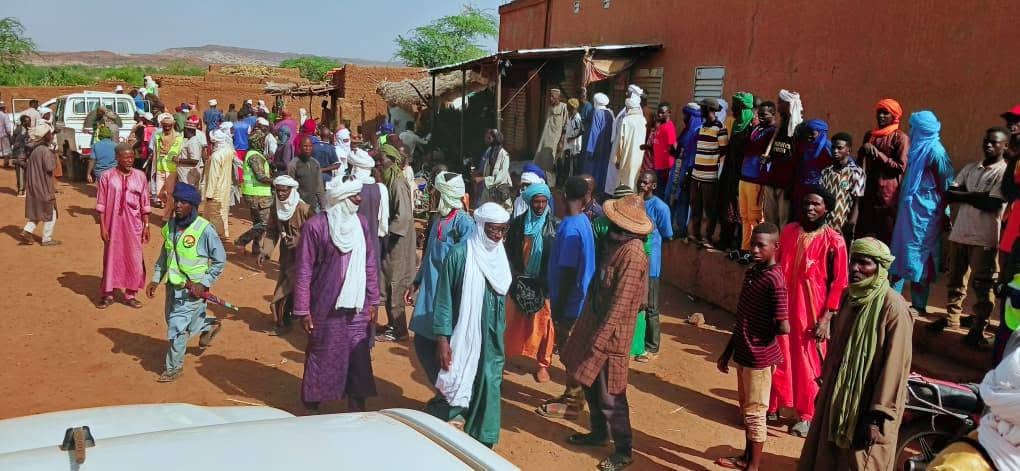
The operation’s core mission was clear: enforce existing regulations on grazing corridors and resource sharing while communicating a unified message to all parties. Authorities reminded herders of the strict pathways designated for transhumance, explicitly prohibiting cattle from entering cultivated fields until harvests are fully complete. Simultaneously, farmers were encouraged to grant unobstructed access to shared pastoral infrastructure, including water points and designated grazing routes, adhering to local bylaws.
Redirecting herds, relieving pressure
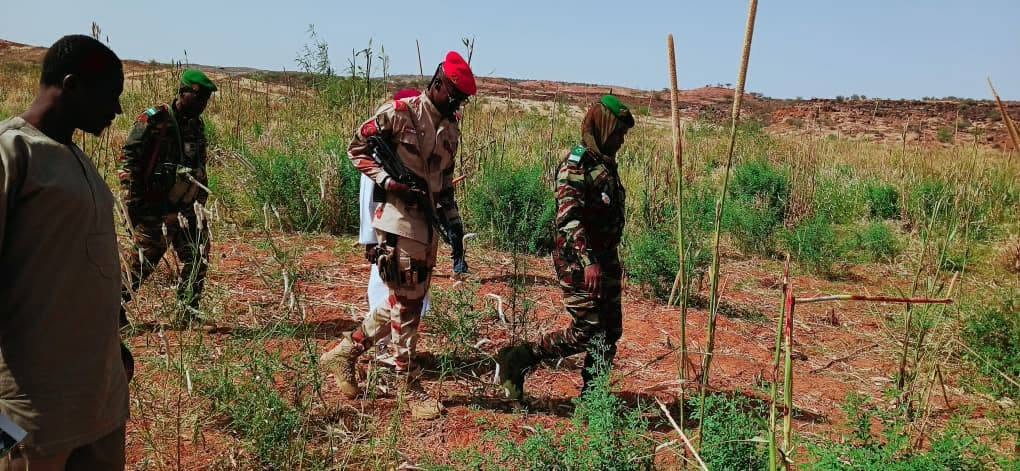
In several villages, teams worked directly with community leaders to relocate herds away from high-risk zones. This hands-on approach wasn’t just symbolic—it reduced immediate friction and gave both farmers and herders tangible proof that the rules would be enforced uniformly. The visible presence of security forces alongside civil authorities reinforced the deterrent effect, signaling zero tolerance for violations.
Building trust through dialogue and participation
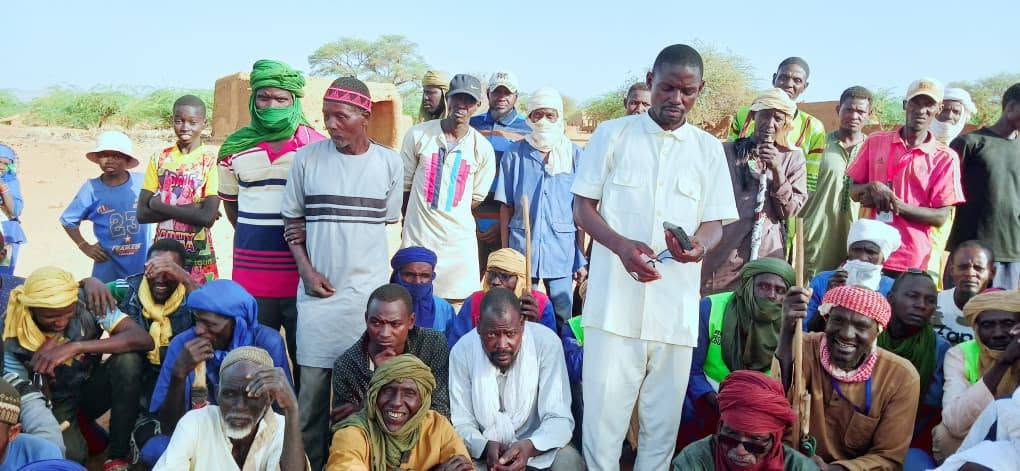
Dialogue wasn’t an afterthought—it was the foundation of the mission. In every village visited, authorities didn’t just lecture communities on regulations. They listened. By engaging directly with farmers, herders, and traditional leaders, the team identified specific grievances, from disputed land parcels to inadequate water access, and addressed them on the spot where possible. This participatory approach helped dismantle resentment by showing that local voices mattered in the solution.
The role of traditional authorities in bridging divides
Traditional chiefs played a pivotal role, using their moral authority to reinforce the message: livelihoods depend on harmony. Their involvement lent credibility to the campaign, reminding communities that cooperation isn’t just encouraged—it’s a shared cultural value. This alignment of traditional wisdom with state authority created a powerful synergy, amplifying the impact of the mission far beyond its initial scope.
As the sun set on October 20, the prefect’s team concluded a 6.5-hour operation with a key takeaway: prevention works when it’s proactive, inclusive, and visible. While no one expects tensions to vanish overnight, the real test will be whether these ground rules—rooted in regulation, respect, and real-time engagement—can become the new normal for Keita’s agropastoral communities.
What’s next? From crisis response to sustainable coexistence
The mission’s conclusion isn’t the end—it’s the beginning of a new strategy. Moving forward, authorities in Keita are shifting focus from reactive measures to long-term monitoring and mediation. Weekly check-ins with community leaders, monthly joint patrols by security and pastoral services, and quick-response teams for emerging disputes are now part of the plan. The goal? To make conflict prevention as routine as the seasonal cycles that once fueled it.
Lessons from the ground: what worked—and what didn’t
Early feedback from villages suggests the campaign achieved its immediate goals. Farmers reported fewer unauthorized cattle incursions, while herders appreciated clearer guidance on restricted zones. However, success hinges on consistency. If enforcement wavers, old patterns of encroachment and retaliation could reemerge. For this model to last, its most critical element—trust—must be nurtured daily, not just during harvest season.
The message from Keita is clear: sustainable peace isn’t built on silence. It’s forged through visibility, participation, and persistence. By confronting agropastoral tensions head-on—and with the communities at the table—local leaders are writing a blueprint for coexistence in Niger’s rural heartlands.