Bénin political leaders urged to avoid senate bias
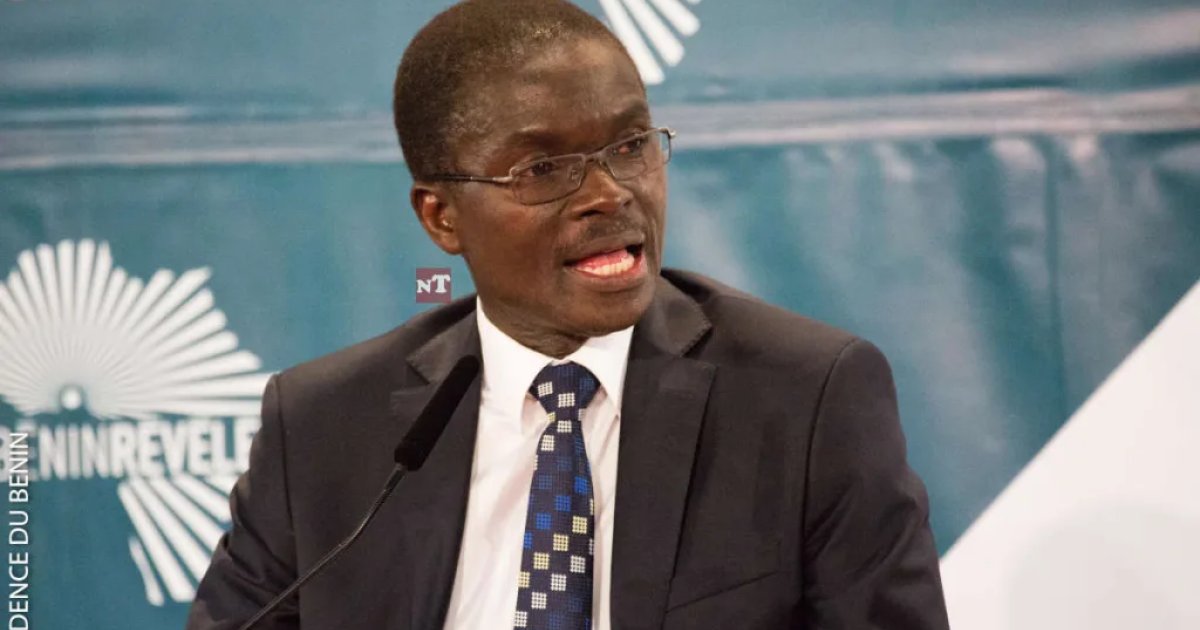
At a high-level discussion on rule of law and political transition in Africa, held in Cotonou, former minister and lawmaker Lazare Maurice Sehouéto emphasized the need for political stakeholders to base their views on facts rather than assumptions about the newly established Senate.
Strengthening democracy through institutional balance
Speaking at the forum organized by the Institute of Justice and Peace Artisans (IAJP/Co), Sehouéto framed the Senate not as a source of division but as a stabilizing force in Bénin’s political landscape. He argued that bicameral systems, like the one being implemented, have historically helped nations navigate periods of institutional fragility by introducing checks and balances.
Addressing concerns with legal clarity
During the exchange, former deputy Kamel Bio Sika Ouassagari raised concerns about the Senate’s potential overreach. In response, Sehouéto urged critics to engage with the legal framework governing the institution rather than speculate on its future actions. He stressed that the Senate’s role is to reinforce democratic governance and prevent unilateral decision-making.
Lessons from global democracies
To illustrate his point, Sehouéto cited international examples where second chambers played pivotal roles in safeguarding democracy:
- France: The Fifth Republic’s Senate was introduced to curb the instability of previous regimes, ensuring continuity in governance.
- Germany: The Bundesrat was established after World War II to institutionalize safeguards against authoritarian backsliding and protect the rule of law.
A call for evidence-based discourse
Concluding his remarks, Sehouéto called on political actors and civil society to conduct their debates using verifiable information and objective analysis. He cautioned against premature judgments and urged a constructive approach to evaluating the Senate’s impact on national unity and development.