As regional economies grapple with global headwinds, Benin is emerging as a standout performer in West Africa. Its steady momentum is set to accelerate, with a decisive new milestone on the horizon. The country is poised to close the 2025–2027 period on a wave of robust expansion, signaling a turning point in its economic trajectory.
From prediction to transformation: the 7.7% growth landmark in 2027
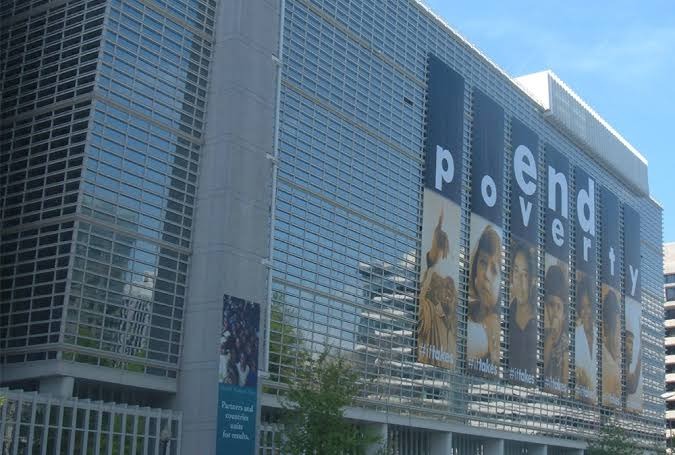
The World Bank’s updated outlook confirms a landmark GDP growth projection of 7.7% for 2027, following estimated expansions of 8.1% in 2025 and 7.8% in 2026. This sustained acceleration underscores Benin’s ability to outpace regional averages while avoiding reliance on extractive industries.
The growth is underpinned by large-scale infrastructure investments, modernization of the port and agricultural supply chains, and targeted reforms aimed at improving the business climate. These measures are now converging to create a foundation for long-term stability and opportunity.
Price stability fuels household gains and investor confidence
One of the most compelling aspects of this forecast is the country’s impressive control over inflation:
- Controlled inflation: After dipping to 0.5% in 2026, consumer prices are projected to rise slightly to 1.6% in 2027. This remains well below the 3% ceiling set by UEMOA, safeguarding purchasing power and economic predictability.
- Poverty reduction in motion: As growth gains traction, the national poverty rate is expected to decline to 22.3% by 2027, down from 31% in 2024. This shift reflects the impact of targeted economic inclusion programs and expanding job opportunities.
A regional model under construction
Benin’s economic narrative is no longer just about growth—it’s about setting a new standard for macroeconomic discipline in West Africa. With inflation under control and poverty on the decline, the country is positioning itself as a magnet for both public and private investment. The convergence of these factors creates a favorable environment for long-term partnerships and sustainable development.
Next steps: turning growth into lasting prosperity
The path ahead demands more than just strong numbers. It requires continued implementation of structural reforms, investment in human capital, and strategic alignment with regional trade frameworks. If these elements align, Benin could cement its role as a key driver of economic progress across the subregion.