Bénin’s new voice in Geneva: Inès Hadonou-Toffoun’s election marks a turning point
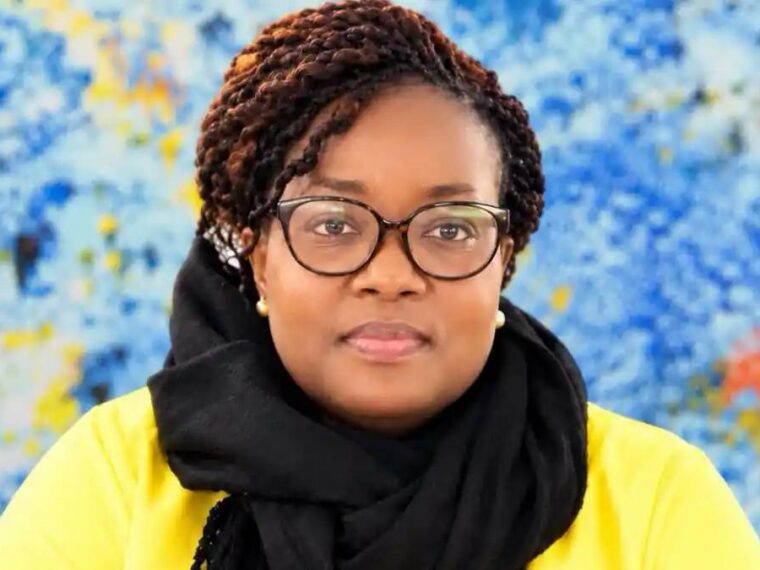
Bénin has taken a decisive step forward in international human rights advocacy with the election of jurist Inès Hadonou-Toffoun to the United Nations Human Rights Council Advisory Committee. Starting in 2026 and running through 2029, she will join 18 global experts in shaping global discourse on fundamental freedoms, human dignity, and rights protection mechanisms.
This election is more than a personal achievement — it represents a strategic breakthrough for Bénin, elevating its presence on the world stage where human rights decisions are made. In an era where global governance increasingly prioritizes rights-based frameworks, Bénin’s appointment signals readiness to contribute expertise rooted in African legal realities and shared humanist values.
Why this UN committee matters for Africa’s voice in global rights
The Advisory Committee of the UN Human Rights Council functions as the Council’s think tank — an independent body of legal and policy experts tasked with conducting research, analyzing complex human rights issues, and proposing evidence-based recommendations.
The Committee does not issue binding judgments or political resolutions. Instead, its strength lies in its ability to deepen understanding of pressing challenges — from digital rights to climate justice — through rigorous legal analysis and comparative study across regions. By integrating diverse perspectives, including those from Africa, it helps shape international norms before they reach the Council for adoption.
Inès Hadonou-Toffoun’s inclusion in this body brings a crucial African legal voice to these discussions. Her role will involve conducting studies, drafting analytical reports, and collaborating with peers from Asia, Europe, Latin America, and the Middle East to identify solutions grounded in justice and equity.
What sets this committee apart from the UN Human Rights Council
- No decision-making power: Unlike the Council, which can adopt resolutions or condemn states, the Advisory Committee provides expert insight.
- Independent expertise: Members serve in their personal capacity, not as representatives of their governments.
- Forward-looking focus: It anticipates emerging rights issues before they dominate global agendas.
This structure makes it an influential platform for countries like Bénin to shape global norms — not through political pressure, but through the strength of legal reasoning and contextual relevance.
From Port-Novo to Geneva: Bénin’s growing footprint in global justice
For Bénin, the appointment is a culmination of sustained efforts to build domestic legal capacity and project its voice in multilateral forums. Inès Hadonou-Toffoun’s journey from Bénin’s judiciary to a UN advisory body reflects a national commitment to nurturing legal excellence and international engagement.
This election positions Bénin among a select group of African countries that have placed their legal professionals in advisory roles at the UN. It also opens doors to deeper collaboration with regional bodies like the African Union’s African Commission on Human and Peoples’ Rights, where shared challenges such as migration, conflict resolution, and economic justice require cohesive legal strategies.
Beyond diplomacy, the appointment serves as an inspiration for Béninois jurists, law students, and civil society actors. It signals that leadership in global human rights is not reserved for a few — it can be built through excellence, persistence, and service.
A three-year mandate: turning recognition into impact
From 2026 to 2029, Inès Hadonou-Toffoun will not only represent Bénin — she will represent Africa in shaping the future of human rights norms. Her mandate includes participating in thematic studies, contributing to annual reports, and advising the Council on legal innovations in rights protection.
The success of this role hinges on three key factors:
- Quality of analysis: Crafting well-researched, context-sensitive reports that resonate with global standards.
- Collaborative leadership: Engaging constructively with peers across cultures and legal traditions.
- Strategic communication: Ensuring Bénin’s policy priorities — such as education, gender equality, and judicial reform — are reflected in international discussions.
Her contributions could influence how the UN addresses issues critical to Africa, including land rights, extractive industries, and transitional justice — fields where legal frameworks are still evolving.
Bénin’s moment is now: turning international recognition into lasting progress
While the election itself is a landmark, its true value will emerge in how Bénin leverages this opportunity. The Advisory Committee does not issue resolutions or allocate funds — it shapes the intellectual foundation of global rights policy.
This means Bénin must now:
- Build national capacity: Strengthen domestic institutions to support Inès Hadonou-Toffoun’s work and future appointments.
- Promote youth engagement: Encourage young legal professionals to pursue international expertise in human rights.
- Enhance diplomatic synergy: Coordinate with other African states to amplify shared priorities in Geneva.
The appointment is not just a diplomatic win — it’s a call to action. Inès Hadonou-Toffoun’s role places Bénin at the heart of a global conversation, where the future of human dignity is being redefined. How the country responds will determine whether this moment becomes a lasting legacy of justice and equity.
What’s next for Bénin on the world stage?
With this election, Bénin has secured a seat at the table where human rights norms are crafted. The road ahead includes:
- Supporting Inès Hadonou-Toffoun’s research and reports with local data and policy insights.
- Leveraging her participation to advocate for reforms in education, healthcare access, and climate resilience through a rights-based lens.
- Ensuring this achievement inspires a new generation of Béninois committed to justice, governance, and international cooperation.
In Geneva, Inès Hadonou-Toffoun won’t just carry a title — she will carry the hopes of a nation striving to be heard, respected, and influential in the global pursuit of human rights for all.