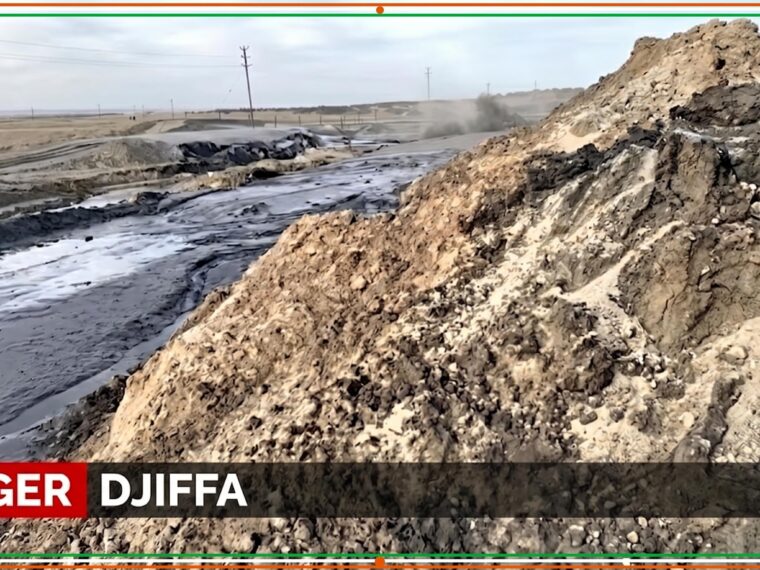
In the arid expanse of eastern Niger, a shadow stretches across the land—one that could reshape the future of Diffa’s communities and ecosystems. A petroleum leak, now persisting for nearly a week, has escalated from a localized issue to a full-blown environmental crisis, demanding immediate action. The question now is whether this moment will serve as the turning point Niger needs to confront its growing ecological vulnerabilities.
Once hailed as a catalyst for economic growth, the oil industry in Diffa now faces a stark reality: its operations come with irreversible risks. The dark, viscous tide creeping across the terrain is more than a stain on the land—it’s a harbinger of potential devastation for the region’s fragile environment and the livelihoods of those who call it home.
Why this oil leak in Diffa demands urgent intervention
The incident unfolding in Diffa is not just another industrial mishap—it’s a clarion call for environmental accountability. With each passing hour, the spill’s impact widens, seeping into soils, threatening water sources, and jeopardizing the very foundation of local agriculture and pastoral lifestyles. The longer the leak persists, the more daunting the cleanup becomes, transforming a manageable crisis into a long-term ecological disaster.
Experts warn that the situation could spiral if left unaddressed. The primary objectives now are clear:
- Identify and halt the leak: Locating the source of the spill and immediately halting further oil discharge is paramount. Without this, containment becomes a losing battle.
- Assess the damage: A rapid, transparent evaluation of the spill’s extent—soils, water systems, and air quality—must be conducted to gauge the full scope of contamination.
- Implement containment measures: Deploying barriers, absorbent materials, and other containment strategies can prevent the spill from spreading further, protecting critical habitats and water supplies.
Time is of the essence. The longer the delay, the higher the toll on both the environment and the communities that depend on it.
How oil spills threaten Diffa’s environment and people
The repercussions of an oil spill extend far beyond the visible damage. Depending on the spill’s scale and the terrain it affects, hydrocarbons can disrupt entire ecosystems, poisoning wildlife, degrading arable land, and contaminating vital water sources. For a region like Diffa, where agriculture and pastoralism are lifelines, the stakes are especially high.
The potential consequences are severe:
- Soil degradation: Hydrocarbon pollutants can render land infertile, decimating crop yields and grazing pastures for decades.
- Water contamination: If the spill reaches rivers or groundwater, it could compromise drinking water supplies, posing immediate health risks to residents.
- Economic disruption: Local economies reliant on farming, fishing, or livestock face collapse if their resources become unusable or unsafe.
- Health hazards: Prolonged exposure to oil fumes or contaminated water can lead to respiratory issues, skin conditions, and other long-term health problems.
The silent threat of environmental degradation looms large, with ripple effects that could linger for generations if swift action is not taken.
The cost of silence: why transparency matters now
Public trust erodes when information is withheld during a crisis. Residents of Diffa have the right to know the full extent of the threat they face—where the spill originated, how it’s being contained, and what steps are being taken to mitigate its impact. Without clear communication, fear and uncertainty take hold, exacerbating an already volatile situation.
The questions demanding answers include:
- Which company or entity operates the facilities linked to the spill?
- What is the current status of containment efforts?
- Have environmental samples been collected and analyzed?
- Are nearby communities being notified of safety precautions?
Transparency isn’t just a moral obligation—it’s a strategic imperative. It dispels speculation, reassures affected populations, and ensures that all parties are held accountable for their roles in the crisis.
Balancing economic gains with environmental protection
Niger’s oil industry holds the promise of revenue, jobs, and development. Yet, this potential must not come at the cost of the environment. The spill in Diffa underscores a critical truth: economic progress cannot outpace ecological responsibility. A sustainable future requires robust infrastructure maintenance, rigorous monitoring, and rapid response protocols to prevent accidents and address them effectively when they occur.
If negligence is found to have contributed to the leak, strict regulatory measures must be enforced. This includes:
- Full accountability: Holding responsible parties liable for the spill and its aftermath.
- Restoration efforts: Rehabilitating contaminated sites and compensating communities for lost livelihoods.
- Preventive reforms: Upgrading safety standards and emergency response plans to avert future incidents.
The Niger government’s response to this crisis will set a precedent. Will it prioritize short-term gains over long-term sustainability, or will it demonstrate a commitment to protecting both its people and its natural heritage?
Diffa’s future hinges on decisive action today
This is more than an environmental challenge—it’s a defining moment for Niger. The decisions made in the coming days will determine whether Diffa’s oil spill becomes a cautionary tale or a catalyst for change. The path forward must be paved with urgency, transparency, and a shared resolve to safeguard the region’s future.
The priorities are non-negotiable:
- Stop the leak immediately. Every minute counts.
- Protect the people. Ensure residents are informed and safe.
- Measure the damage. Conduct thorough assessments to guide recovery efforts.
- Enforce accountability. Hold those responsible to account and restore what’s been lost.
Diffa cannot afford to be forgotten. The time for action is now—before the spill’s legacy is etched into the land, the water, and the lives of its people for generations to come.