The strategic framework reshaping Niger’s economic future
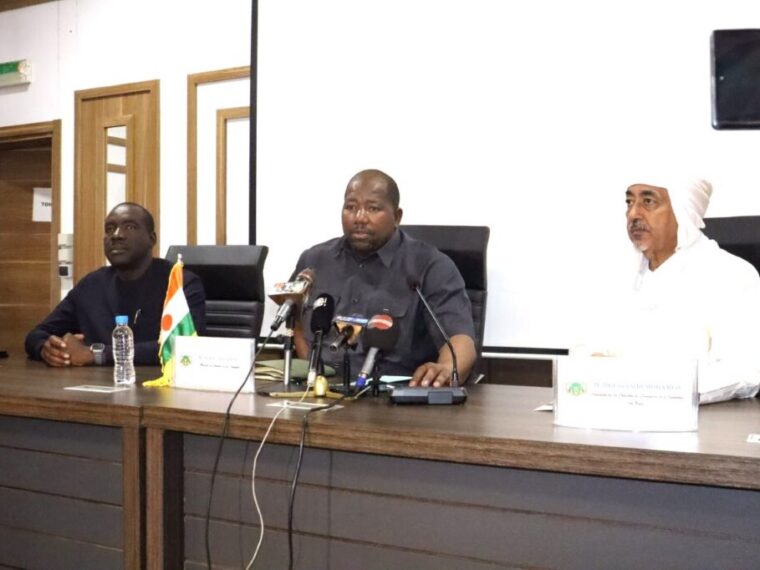
The upcoming Niger Investment Forum 2026 isn’t just another business event—it’s a calculated move to dismantle the invisible barriers stifling national and foreign investment. Behind the staged presentations and diplomatic handshakes lies a deliberate strategy: the organization of economic operators into sector-specific groups. This behind-the-scenes restructuring, unveiled during a preparatory meeting in Niamey, is designed to transform theoretical opportunities into concrete partnerships.
At the heart of this initiative is Niger’s Commercial and Industry Minister, Abdoulaye Seydou, who framed the Forum International Investir au Niger (F2IN 2026) as more than a showcase—it’s a compliance mechanism. By compelling private-sector players to coalesce into sectoral clusters, the government aims to create a unified voice capable of negotiating with multinational investors on equal footing.
The 13 pillars driving Niger’s 2026 investment agenda
With a portfolio of 50 bankable projects valued at 5,500 billion FCFA ($11 billion), the forum’s organizers have identified 13 high-potential sectors. This segmentation isn’t arbitrary; it reflects years of analysis pinpointing where Niger’s natural advantages intersect with global demand. The sectors include:
- Agriculture and livestock: Leveraging Niger’s vast pastoral lands and climate-adaptive crops.
- Digital technologies: Positioning as a regional tech services hub.
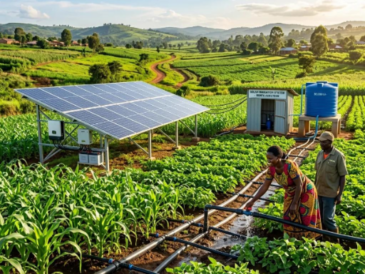
- Renewable energy: Tapping into solar and wind potential.
- Mining and minerals: Expanding beyond uranium to gold and phosphate.
- Agri-business and food processing: Reducing post-harvest losses through local value addition.
The Minister emphasized that these sectors weren’t selected in isolation. Each represents a response to structural gaps in Niger’s economy—gaps that, if addressed, could trigger cascading growth across related industries.
The invisible shift: why sectoral organization matters
Traditional approaches to investor attraction often fail because they treat businesses as isolated entities. In reality, economic ecosystems thrive on collaboration. The sectoral grouping initiative addresses this by:
- Creating negotiation leverage: Collective representation enables local actors to demand better terms in joint ventures.
- Streamlining due diligence: Investors gain access to pre-vetted opportunities curated by sector experts.
- Reducing transaction costs: Shared market intelligence minimizes the risks of failed partnerships.
This model mirrors successful precedents in Rwanda’s tech sector and Morocco’s renewable energy transitions. For Niger, it’s not about reinventing the wheel—but about applying proven methods to its unique context.
From theory to action: preparing for the 2026 forum
The clock is ticking. With just months until the three-day event at the Mahatma Gandhi International Conference Center, Minister Seydou has issued a direct challenge to Nigerien entrepreneurs: “Organize, or be organized out of the deal.”
The playbook is simple:
- Sectoral consolidation: Businesses must form representative bodies within their industries before the forum.
- Investor intelligence: Entrepreneurs are advised to research potential partners using the forum’s official platform.
- Prioritization: Focus on projects aligned with the 50 flagship opportunities announced.
The stakes couldn’t be higher. As of the preparatory meeting, over 30 countries had already registered more than 300 qualifying investors—far exceeding expectations. Unofficial sources suggest additional high-profile delegations are preparing to attend, though their names remain unlisted for strategic reasons.
The ripple effect: beyond 2026
This isn’t just about closing deals in 2026. The sectoral organization model is designed to outlast the forum, creating sustainable frameworks for:
- Policy advocacy: Unified sectors can lobby for regulations that protect local interests.
- Capacity building: Shared training programs can address skill gaps in critical industries.
- Regional integration: Coordinated strategies could position Niger as a supply chain node in West Africa.
The Minister’s insistence on preparation reflects a sober understanding: the most transformative opportunities don’t come from grand announcements—they emerge from the tedious work of organization, alignment, and execution.