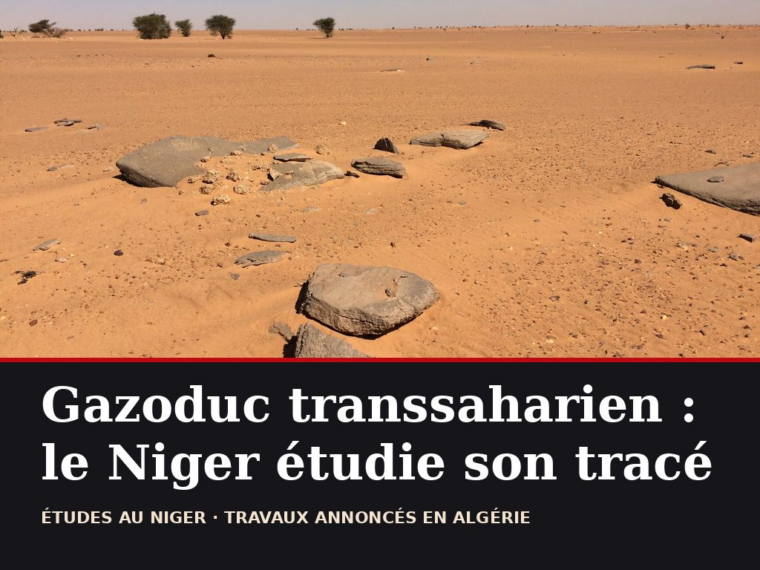
The collaborative energy initiative that could reshape regional gas connectivity between Algeria and Nigeria is undergoing a critical behind-the-scenes recalculation phase in Niger. While official announcements have centered on Algeria’s progress, a recent technical mission to Niamey unearthed the real engine of the project: the pivotal reassessment of Niger’s pipeline route and its far-reaching implications.
Why the revised route in Niger is the project’s true linchpin
The November 17–20 technical review, led by Algerian officials and Nigerien petroleum authorities, peeled back the layers of a revised route configuration and its cascading consequences. Unlike public declarations focusing on Algerian milestones, this session zeroed in on Niger’s terrain—where geological, regulatory, and infrastructural variables are being recalibrated. The outcome of this adjustment isn’t just academic: it will dictate the scope, logistics, and timeline of every downline construction phase.
Discussions also probed how local enterprises might integrate into the supply chain, including the potential establishment of a Niger-based subsidiary of Algerian oil services firm ENAC. Yet while the talks were productive, no binding contracts were formalized, and no commitments were made on final project allocations—leaving the door open for further negotiation.
What Algeria’s early groundbreaking really means for the greater system
Algeria’s June announcement of groundbreaking on its domestic segment marked a headline milestone, but it was largely symbolic. The country’s existing export infrastructure is already in place; this step merely validated priority construction zones within Algeria’s borders. The critical unknown remains Niger—the geographic and operational bottleneck where gas from Nigeria must traverse before ever reaching Algerian pipelines. Until Niger’s sector is finalized, the entire linkage remains in a preparatory limbo.
The November 3 joint statement by NNPC underscored tri-national coordination, yet it simultaneously confirmed that a separate initiative—Nigeria-to-Morocco pipeline discussions—was advancing in parallel. This distinction is vital: the trans-Saharan corridor via Niger exists in its own legal and technical universe, with its own feasibility adjustments and study mandates slated for 2025 under Penspen’s remit.
Why the next milestone isn’t a completion date
The November Niamey talks yielded a clear technical directive: the next measurable checkpoint isn’t a ribbon-cutting ceremony, but the finalization of Niger’s revised route and the formal definition of the work perimeter. Only after these parameters are locked can procurement phases commence, construction contracts be tendered, and phased timelines be published. Any projected in-service date would be premature—a moving target dependent on factors beyond the current study cycle.
The project’s essence is no longer about when gas will flow, but how the three nations are re-engineering the mechanics behind that flow. In Niger, the pipeline’s trajectory isn’t just a line on a map—it’s the infrastructure backbone that could redefine energy diplomacy across the Sahel.