With nearly 2 billion euros poured into culture, heritage, and hospitality infrastructure, Cotonou is rapidly becoming a magnet for travelers across West Africa, particularly from Nigeria. Once overshadowed by other major tourist hubs on the continent, Benin is now reaping the rewards of a bold, decade-long strategy aimed at revitalizing its tourism sector.
By investing around 2 billion euros—equivalent to roughly 1.2 trillion West African CFA francs—the government has transformed the country’s cultural and hospitality landscape. The outcome? A surge in regional visitors, with Nigeria emerging as a key driver of this newfound appeal.
Nigeria’s influence: the gateway to Benin’s tourism boom
At the heart of this growth is the thriving corridor connecting Lagos to Cotonou. Just 90 minutes apart by road, Nigeria’s bustling economic hub and its population of over 20 million represent an unparalleled source of tourism demand.
This proximity is already yielding tangible results:
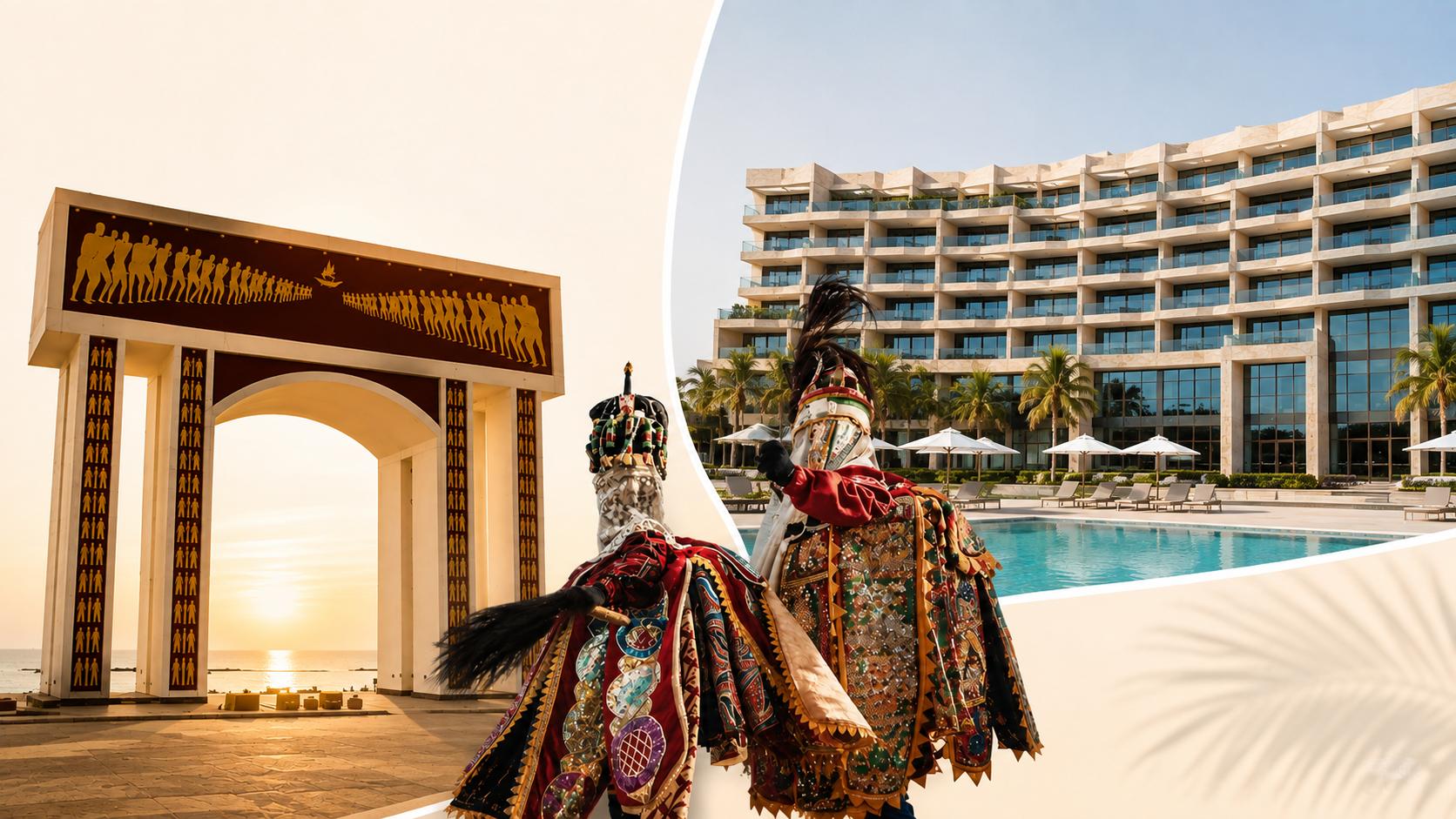
- Weekend getaway culture: At the Sofitel Cotonou Marina—the country’s first five-star hotel, inaugurated in late 2024—Nigerian travelers now dominate weekend bookings, seeking relaxation and leisure.
- Hassle-free access: Benin’s policy of visa-free entry for African nationals, combined with direct road links along the Lagos-Cotonou route, makes travel seamless and cost-effective, eliminating the need for expensive regional flights.
Cultural festivals: the heartbeat of Benin’s tourism revival
Beyond leisure travel, the country’s rich ancestral traditions are serving as a powerful catalyst for tourism growth. Major events are drawing record crowds, both locally and internationally:
- Vodun Days in Ouidah: The 2026 edition drew over 740,000 attendees, a dramatic increase from 435,000 in 2025 and 97,000 in 2024. Of the 144,000 foreign visitors, nearly 15% hailed from Nigeria, placing the country among the top three source markets alongside Togo (20%) and France (36%).
- International Mask Festival in Porto-Novo: The third edition saw a surge in attendance, highlighted by the iconic Eyo mask—originating from Nigerian Yoruba culture—and Côte d’Ivoire’s renowned Zaouli mask.
Scaling up infrastructure to meet rising demand
To accommodate growing visitor numbers and meet its goal of welcoming 2 million tourists annually by 2030, Benin is fast-tracking critical infrastructure projects:
- International Vodun Museum (Porto-Novo): A public investment of 27 million euros (18 billion CFA francs) nearing completion.
- Club Med Avlékété: A luxury resort with 336 rooms, under construction for 100 million euros (65.6 billion CFA francs), slated to open in 2027.
- Global hospitality brands: Plans to introduce the Hilton brand in Cotonou by 2028, alongside additional hotel developments in Ouidah.
To further capitalize on this momentum, the 2027 Vodun Days festival will expand to a full seven-day event (January 2–9), designed to boost overnight stays and maximize economic benefits for local businesses.