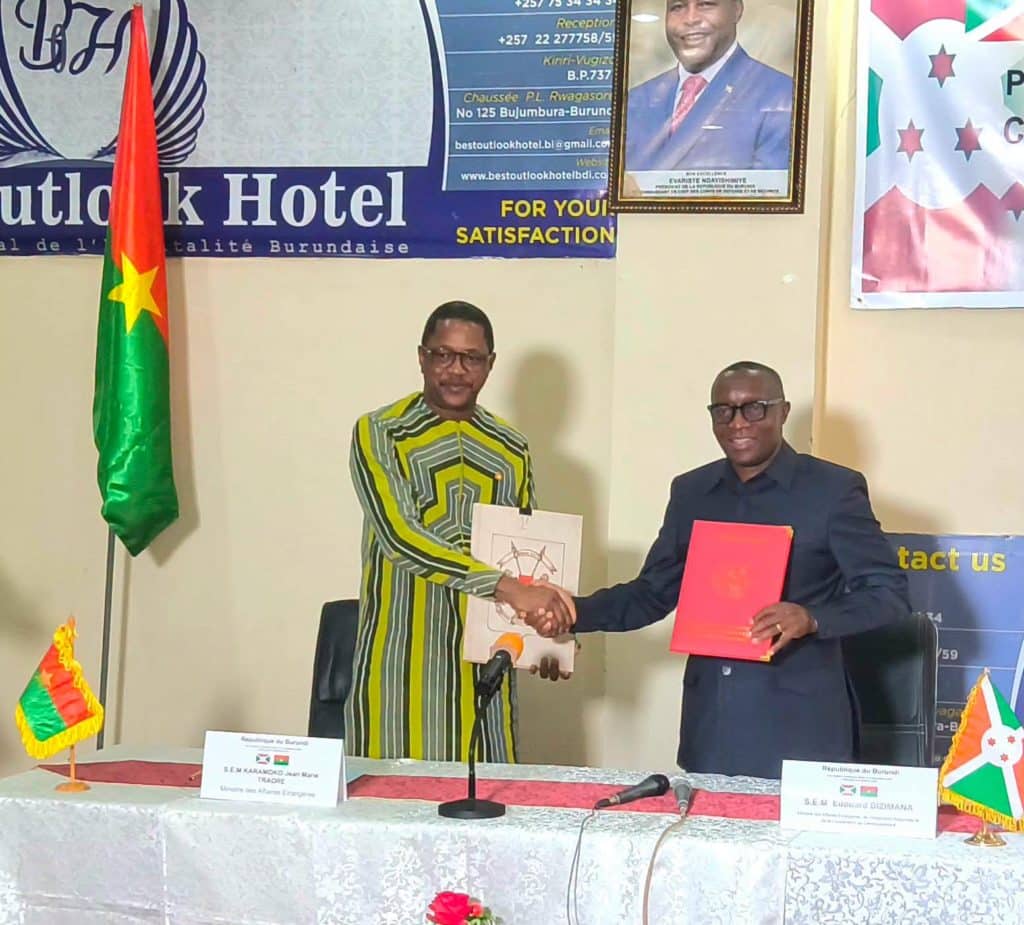
Following intensive deliberations in Bujumbura, the first joint commission meeting between Burkina Faso and Burundi concluded with the formalisation of 14 cooperation agreements aimed at deepening bilateral relations.
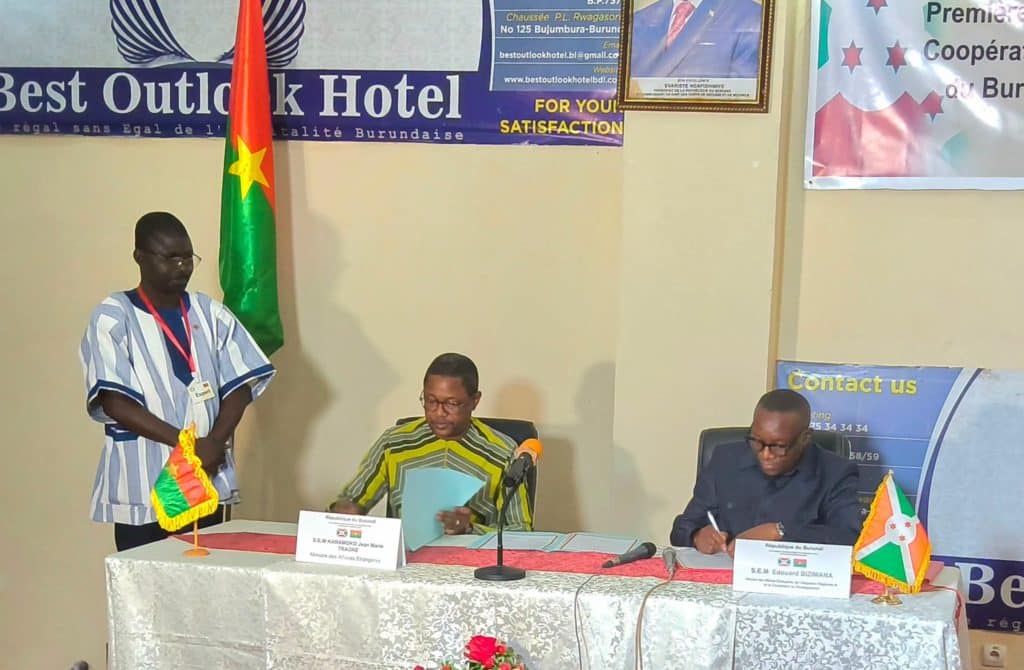
The week-long technical discussions, involving experts from both nations, produced a series of legal frameworks spanning critical sectors essential for the advancement of Burkina Faso and Burundi. These accords were officially endorsed by the foreign affairs ministers of both countries during the closing ceremony.
Key sectors covered by the agreements
The newly signed accords span a broad range of fields, including agriculture and livestock, security, civil protection, air services, health, employment, labour, and social protection. Additional areas of cooperation encompass youth development, sports, and recreational activities.
Notably, the two nations have also agreed to lift visa requirements for holders of diplomatic, service, and ordinary passports, facilitating easier movement between Burkina Faso and Burundi.
Further agreements address disaster risk reduction and emergency management, technical and vocational education, higher education and research, as well as mutual recognition of national driver’s licences.
From commitments to tangible benefits
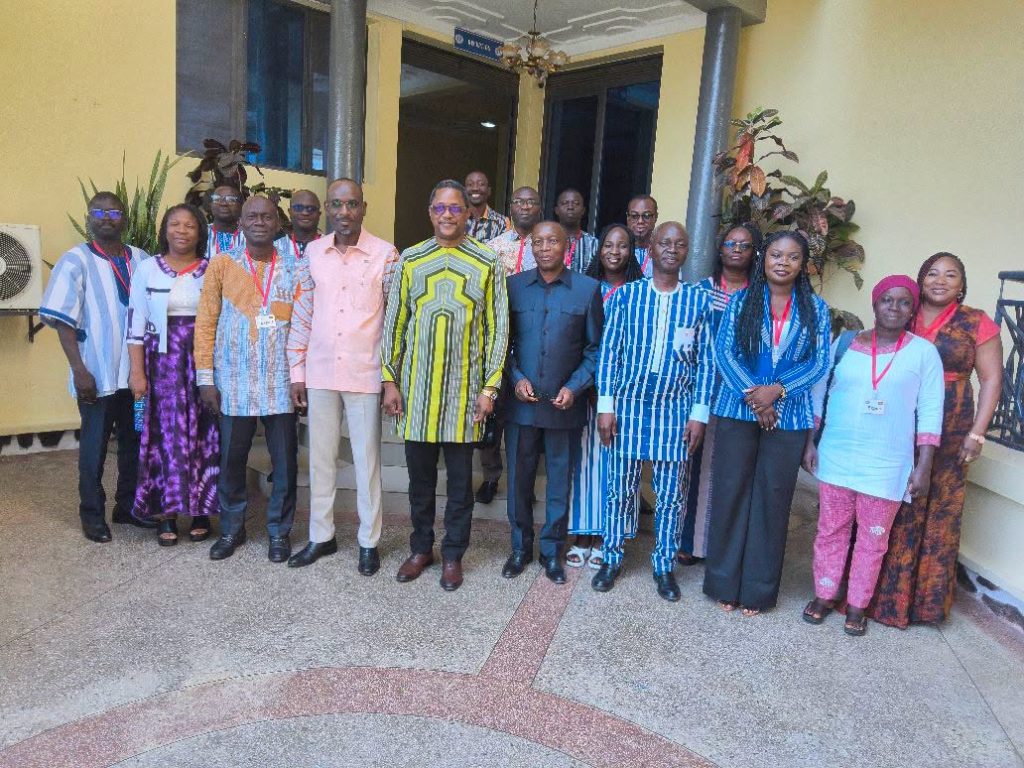
The signing of these 14 accords marks a significant milestone in nearly three decades of Burkina Faso-Burundi cooperation. Both governments are now focused on converting these commitments into practical initiatives that will directly benefit citizens in both countries.
The Burkinabè Minister of Foreign Affairs, Karamoko Jean Marie Traoré, stressed the importance of swift implementation.
The agreements signed today represent not an end, but a beginning. We must relentlessly pursue consultations to ensure these legal instruments translate into concrete programmes, projects, and tangible outcomes for our people.
He emphasised that the joint commission will serve as a bridge between political directives and actionable plans, fostering real progress.
Burundi’s Minister of Foreign Affairs, Édouard Bizimana, underscored the need to prioritise economic exchanges and investment within South-South cooperation frameworks.
He advocated for stronger ties between business communities, reciprocal investment promotion, and the development of private sector partnerships. Enhancing the flow of goods and services and highlighting economic opportunities in both nations were also highlighted as priorities.
A new chapter in South-South partnership
The inaugural joint commission meeting reflects the shared vision of Burkina Faso’s President Ibrahim Traoré and Burundi’s President Évariste Ndayishimiye. Their leadership is driving a partnership model grounded in regional integration, solidarity, mutual trust, and peace.
To ensure accountability and progress, both countries have agreed to expedite the establishment of sectoral committees tasked with overseeing the implementation of the signed agreements.