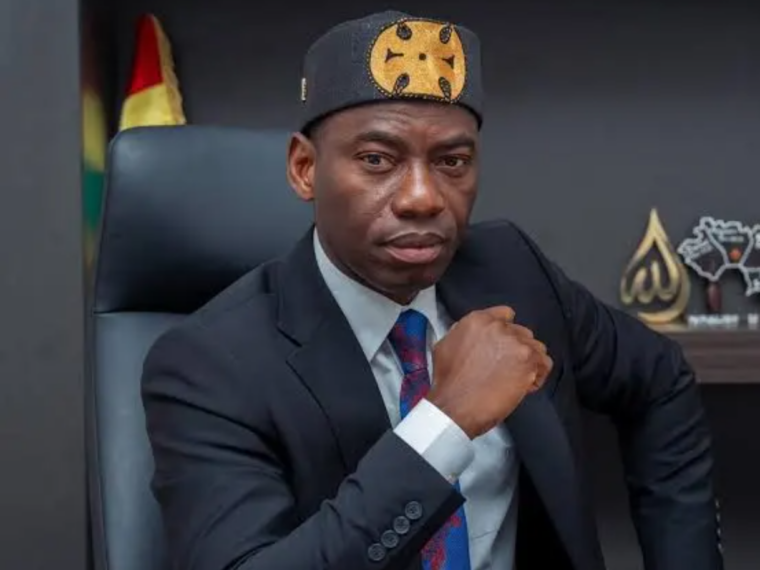
International warrant issued against Pastor Camille Makosso over alleged terror links
The Burkina Faso judiciary has initiated legal proceedings targeting Ivorian pastor and influencer Camille Makosso, as announced by the prosecutor general of Ouagadougou’s Court of Appeal on November 13, 2026. The move, part of a broader counterterrorism effort, marks a significant escalation in a case that could have far-reaching diplomatic and legal repercussions.
The announcement comes amid heightened security challenges in Burkina Faso, where authorities have intensified judicial and security measures against terrorist threats. While the specifics of the allegations remain under review, the issuance of an international arrest warrant signals a coordinated effort to pursue accountability beyond national borders.
Key details of the Burkina Faso legal action
The prosecutor general’s office confirmed the initiation of procedures to secure Makosso’s international arrest on suspected terrorism-related grounds. This step underscores Burkina Faso’s commitment to dismantling extremist networks operating across West Africa, with implications for regional stability.
- Terrorism allegations: The case centers on suspected ties to terrorism, though exact charges, dates, and evidence remain undisclosed in public communications.
- Cross-border cooperation: Burkina Faso has activated judicial cooperation mechanisms with multiple nations, including Côte d’Ivoire, the United States, and France, to facilitate investigations.
- Procedural rigor: The move highlights Burkina Faso’s alignment with international legal frameworks to combat transnational threats.
Camille Makosso: a figure under the spotlight
Makosso, a prominent Ivorian pastor and social media influencer, has gained notoriety for his public statements and religious activism. His platform has drawn both support and controversy across Francophone Africa, making this legal development a matter of intense public interest.
However, the presumption of innocence remains paramount. No verdict has been rendered, and the procedural announcement does not equate to guilt. The next phases of the case will hinge on formal judicial actions and potential extradition requests.
What’s next for the case?
The trajectory of this affair will depend on several factors, including the formalization of charges, international cooperation responses, and Makosso’s legal representation. Key considerations include:
- Extradition requests: If the warrant is recognized by foreign authorities, extradition would follow established legal procedures, not an immediate transfer.
- Evidence scrutiny: Investigators must substantiate allegations through transparent judicial processes.
- Regional impact: The case may influence counterterrorism policies and diplomatic relations in West Africa.
As the story unfolds, the balance between national security and due process will define the outcome of this high-stakes legal battle.