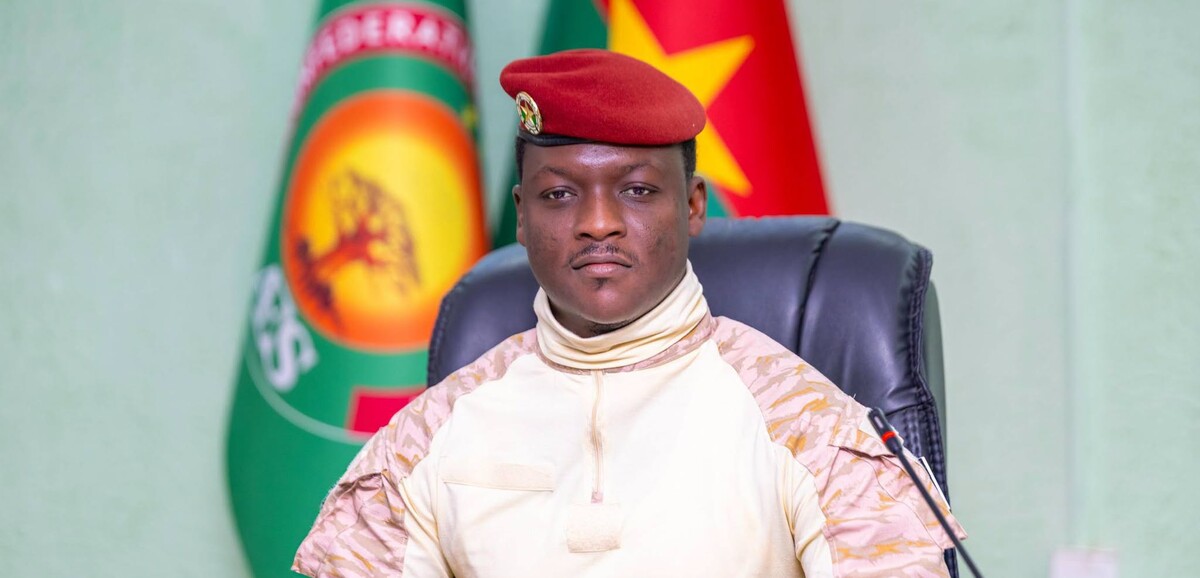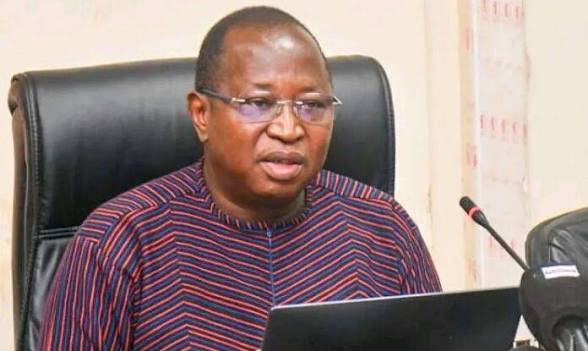
In a stark display of authoritarian overreach, Burkina Faso’s Minister of Higher Education, Professor Adjima Thiombiano, has openly threatened diaspora students who dare criticize the nation’s education system. Speaking during a flag-raising ceremony at the Ministry of Education, the minister delivered a scathing ultimatum: students who question the status quo should either fall in line or “leave where they came from.”
Minister’s ultimatum exposes crackdown on academic dissent
The minister’s inflammatory remarks reveal a troubling pattern of intolerance toward any form of criticism. By branding vocal students as “misguided youth” and vowing that all Burkinabè will “confront” them, he signals a deliberate shift from open dialogue to ideological persecution.
Under this regime, constructive feedback is no longer seen as civic engagement but as a national betrayal. The implied message? Questioning government policies or educational shortcomings equates to undermining the country itself.
Surveillance and fear replace academic freedom
Minister Thiombiano’s call for university staff and educators to “stand as a bulwark” against even mild dissent effectively institutionalizes a climate of fear. Students who express even cautious criticism risk being labeled as troublemakers—and universities are now under pressure to monitor and report such voices.
This strategy of suppression turns educational institutions into hotbeds of self-censorship, stifling innovation and critical thinking—the very pillars of higher education.
Diaspora students caught in citizenship limbo
The minister’s demand that students “return to where they came from” raises troubling questions about the very definition of Burkinabè citizenship. Is national identity now contingent on blind loyalty to the government? By treating diaspora students—often educated abroad and encouraged to contribute their skills—as outsiders for voicing concerns, the regime risks alienating the very talent it claims to want back.
This exclusionary stance contradicts the ideal of a meritocratic society where diverse perspectives are valued. Instead, it reinforces the perception of a government that prioritizes control over collaboration.
Pacte NEKRÉ: A hollow educational “refoundation”
Minister Thiombiano’s threats are framed within the controversial Pacte NEKRÉ, a government initiative aimed at “refounding” Burkina Faso’s education system from preschool to university. Yet how can such a refoundation succeed when it explicitly rejects debate, critical inquiry, and dissent?
Universities have long been spaces for intellectual exchange, where ideas clash and evolve through rigorous discussion. But under this regime, campuses risk becoming ideological boot camps where conformity replaces curiosity. A system that fears its own students cannot claim to foster excellence.
Rather than nurturing a new generation of thinkers, the Pacte NEKRÉ appears designed to enforce ideological uniformity—a move that undermines both education and democracy.
What’s next for Burkina Faso’s academic landscape?
The minister’s ultimatum and the broader crackdown signal a dangerous erosion of academic freedom. With universities increasingly pressured to suppress dissent, the future of higher education in Burkina Faso hangs in the balance.
Will the regime double down on repression, driving away critical minds? Or will voices of reason prevail, restoring a culture of open dialogue and institutional transparency?