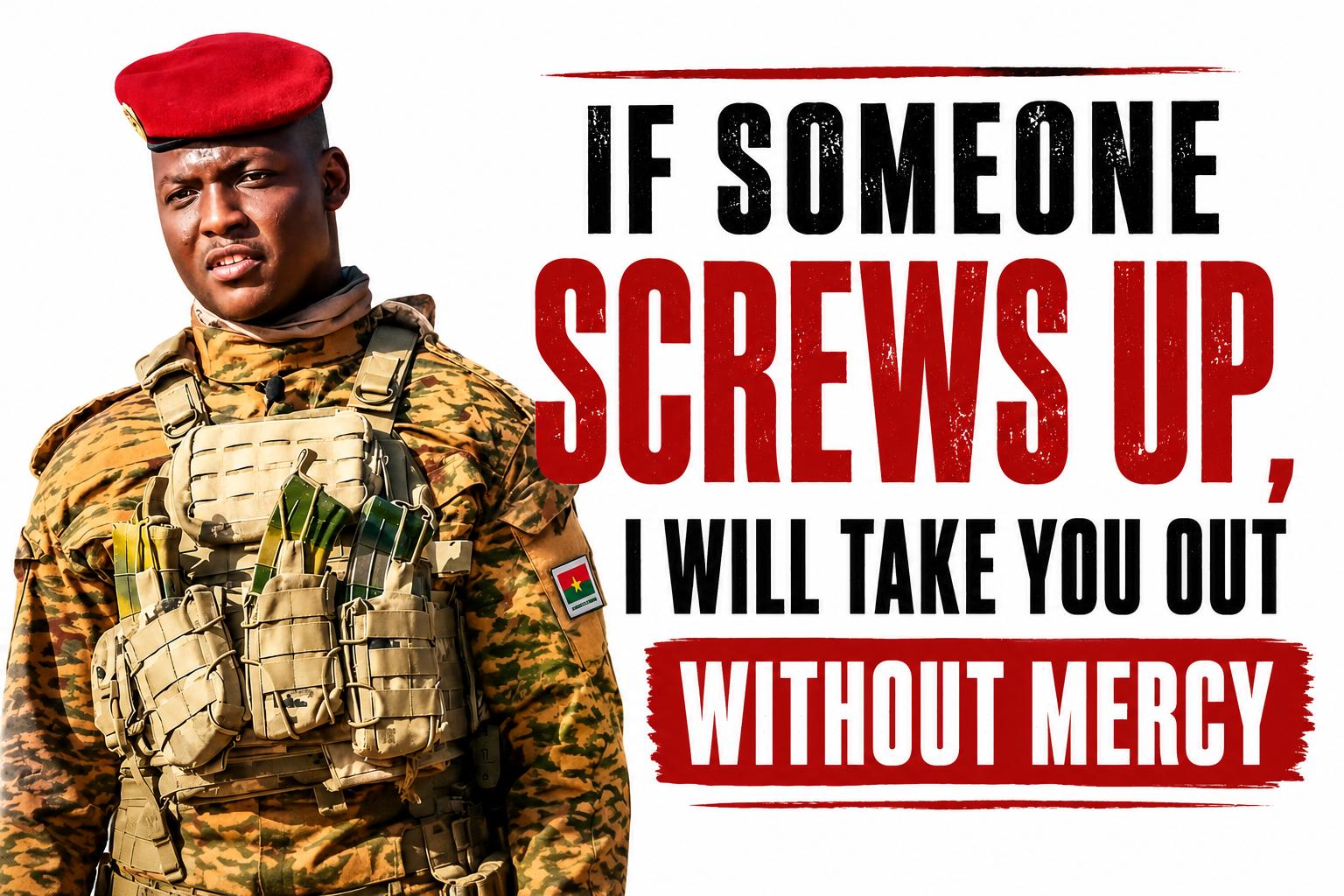
The bold statements from Captain Ibrahim Traoré only scratch the surface of the deep-seated rivalries tearing through Burkina Faso’s military leadership and transitional government. His uncompromising rhetoric—‘If anyone screws up, I’ll crush them without hesitation’—reflects the simmering tensions beneath the surface, where whispers of dissent and command disputes are growing louder by the day.
Since the September 2022 coup, the cohesion of Burkina Faso’s armed forces has become a critical concern. Divisions within the military now center on two key issues: the execution of territorial security operations and the distribution of command responsibilities. As armed groups continue to challenge state control, the pressure on leadership intensifies, fueling frustrations and factional infighting.
Breaking down the fractures in Burkina Faso’s military
The cracks within the armed forces are not just administrative—they run deeper into strategy and loyalty. Commanders are increasingly at odds over tactical decisions, with some questioning the political direction of the transition. The strain is palpable, as distrust seeps into the ranks, pitting units against one another and sowing discord among senior officers.
Security paranoia fuels internal purges
In response to the growing unease, presidential intelligence services have ramped up surveillance, closely monitoring officers deemed unreliable or critical of the regime. Recent months have seen a wave of arrests and dismissals, as the government moves swiftly to quash any signs of dissent before they can gain momentum. This climate of suspicion forces military personnel to demonstrate unwavering loyalty, even as private debates about the transition’s future fester in barracks across the country.
Unity as the ultimate shield against instability
For Captain Ibrahim Traoré, the survival of Burkina Faso’s transitional government hinges on silencing internal divisions. In a political landscape where even the slightest fracture at the top could invite external interference or empower opponents, the junta’s leadership is closing ranks—sometimes aggressively. The harsh tone of Traoré’s warnings serves as a stark reminder: dissent will not be tolerated, no matter how deeply it festers.