Cameroon: growing concerns over Paul Biya’s prolonged absence
Forty-five days after President Paul Biya left for a private visit to Europe, the country remains without an official update on his return. The ruling Cameroon People’s Democratic Movement (CPDM) convened a high-level meeting of its leadership on Wednesday, though no details about the agenda or the reasons behind the gathering were disclosed. Meanwhile, opposition figures are pressing for transparency regarding the continuity of governance and the legal procedures that apply when the head of state is absent for an extended period.
- Politics

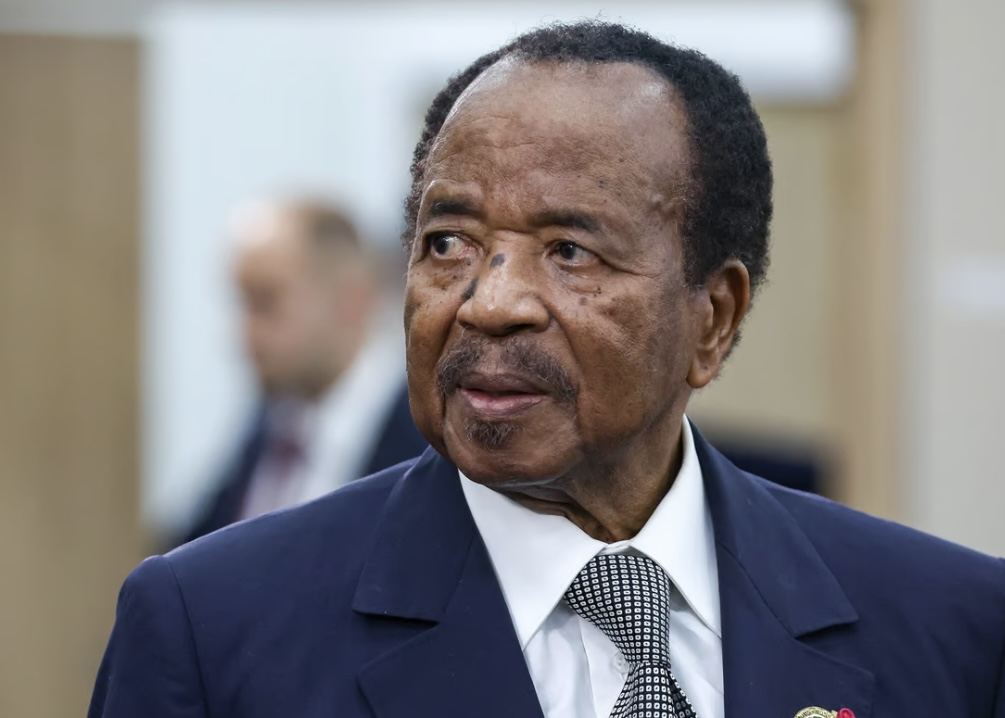
The CPDM’s Secretary General of the Central Committee, Jean Nkuete, called for an “important working session,” as stated in a Wednesday press release. The statement provided no insight into the topics to be discussed or the urgency behind the meeting. At 93 years old, President Biya left Cameroon on June 7, with his civil cabinet describing the trip as a “short private stay in Europe.” Since then, no official announcement has set a return date.
The lack of clarity surrounding the president’s whereabouts has fueled speculation for weeks. The CPDM has sought to address concerns, publishing an editorial in L’Action on July 15 where Christophe Mien Zok, the party’s director of propaganda, declared that “power is not vacant” and that “the Lion has not left,” dismissing claims that the country is being run in “autopilot mode.” Official presidential platforms have continued to release statements attributed to Biya, including greetings to foreign leaders such as Emmanuel Macron on France’s national day and the President of Montenegro. No public activities involving the president have been reported since his departure.
Opposition demands answers
The prolonged absence of the head of state has intensified calls from opposition leaders for explanations. Deputy Jean-Michel Nintcheu has urged the Constitutional Council to declare a vacancy in the presidency. The Democratic Union of Cameroon (DUC) takes a different stance, stating it does not wish to speculate about President Biya’s personal situation but emphasizing that the continuity of the state cannot rely on silence or assumptions. In a July 18 statement, the party noted that an extended absence from national territory does not, in itself, constitute a vacancy in power. However, it stressed the need to examine the effective exercise of presidential duties and the applicable mechanisms in cases of temporary incapacity.
Constitution lacks clarity on prolonged absences
Cameroonian law does not specify a maximum duration for the president’s absence from the country. Analysts argue that this gap warrants institutional review, but no legal provision outlines when the Constitutional Council should intervene. The DUC also pointed out that the vice-presidential position, reintroduced during the constitutional revision adopted in April, remains unfilled. The party is calling for reforms to clarify the legal framework governing presidential absences. In power since 1982, President Biya frequently travels to Europe. His current trip, which began on June 7, is the longest since he assumed office, with no official indication provided about his return to Cameroon.