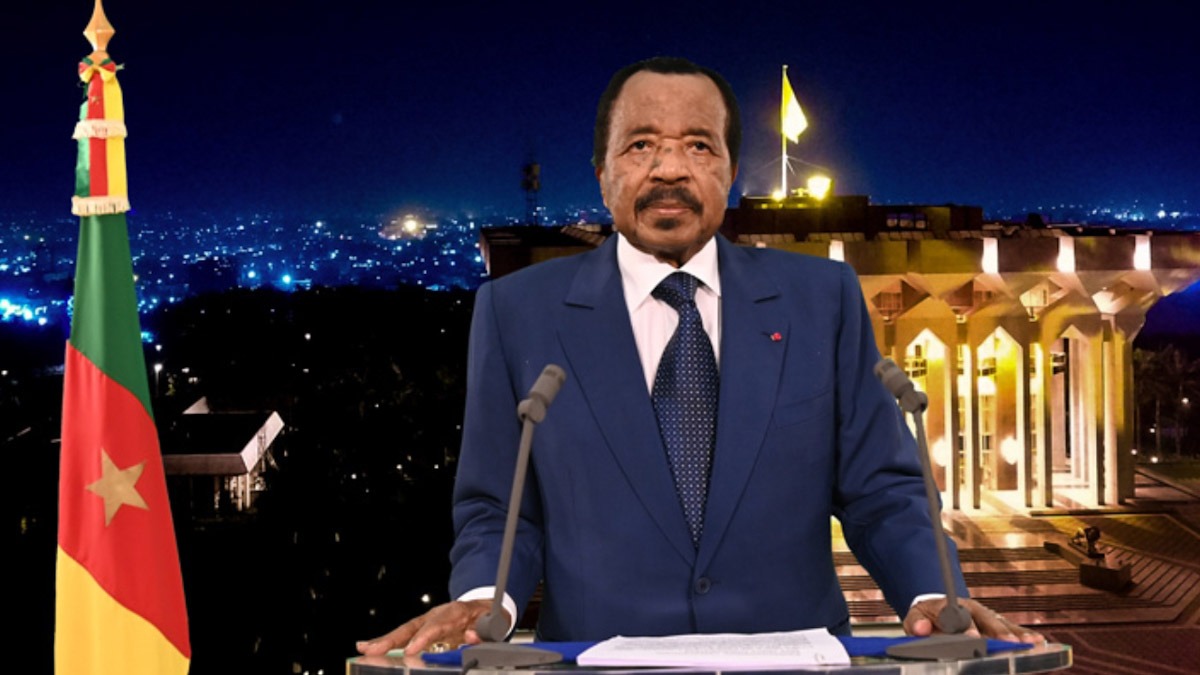
The prolonged absence of President Paul Biya has cast a long shadow over Cameroon’s socio-economic landscape. Since departing Yaoundé on June 7, 2026, under the guise of a brief private trip to Europe, the nation has been gripped by uncertainty. More than two months later, with no public appearances or official return date in sight, the vacuum at the highest level of government has transcended mere political speculation. In a system where executive decisions hinge on the president’s approval, this leadership gap is leaving tangible, measurable consequences in its wake.
Economic paralysis: markets stutter and governance stalls
The centralization of power in Cameroon places the president at the heart of national economic activity. His absence has triggered a domino effect of institutional and financial bottlenecks:
- Financial markets on edge: Cameroon’s dollar-denominated bonds have experienced one of the weakest performances in Africa. Rating agencies have flagged the lack of clarity over succession and the growing perception of political instability among international investors.
- Frozen investment projects: Major infrastructure initiatives and public-private partnerships require high-level arbitration. With no executive oversight, critical dossiers are piling up in ministerial offices, delaying fund disbursements and budget execution.
- Institutional uncertainty: While April 2026’s constitutional reform introduced the role of vice president to mitigate leadership vacuums, the position remains unfilled. An overdue cabinet reshuffle further entrenches administrative paralysis.
Social strain: soaring costs and simmering frustration
The repercussions extend far beyond official corridors, directly impacting ordinary citizens:
- Rising living costs: Local markets continue to grapple with steep inflation in staple goods and fuel. Without responsive budgetary measures or price controls, household purchasing power continues to erode.
- Distrust and anxiety: The absence of clear official communication has fueled rampant speculation across social media. This lack of transparency has fostered resentment among the population and young people alike, breeding a climate of social unease.
- Neglected priorities: Key challenges such as the crisis in the North-West and South-West regions, youth unemployment, and crumbling road and electricity networks lack the political momentum needed for sustainable solutions.
A revealing test of systemic weaknesses
Paul Biya’s prolonged absence has exposed the fragility of Cameroon’s institutional model. It underscores how the concentration of authority in a single figure weakens the entire socio-economic framework when that figure is absent. To restore investor confidence and maintain social harmony, restoring clear governance and resuming routine state operations have become an immediate necessity.