Cameroun: the stalled judicial process against post-election detainees
Years after the 2025 presidential election in Cameroon, the judicial proceedings against individuals detained in connection with post-election violence remain mired in procedural delays. Defendants, their families, and human rights observers express growing frustration over the interminable delays in a case that has already stretched far beyond initial expectations.
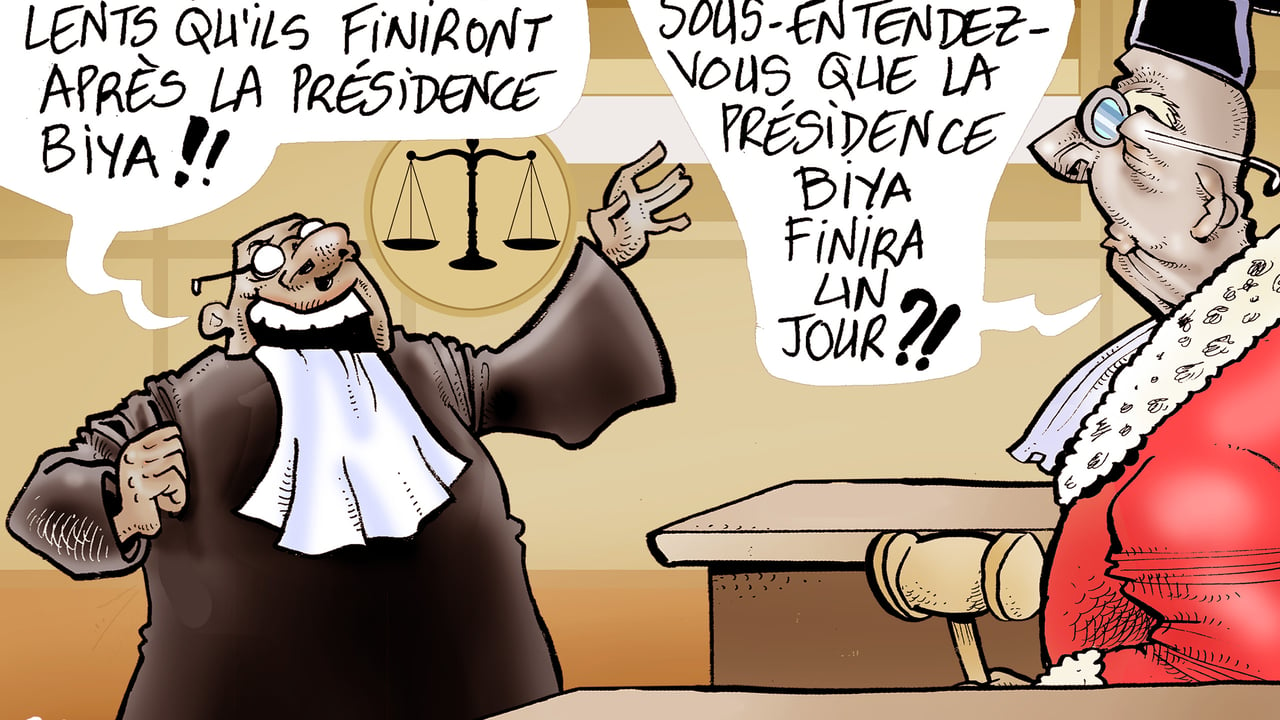
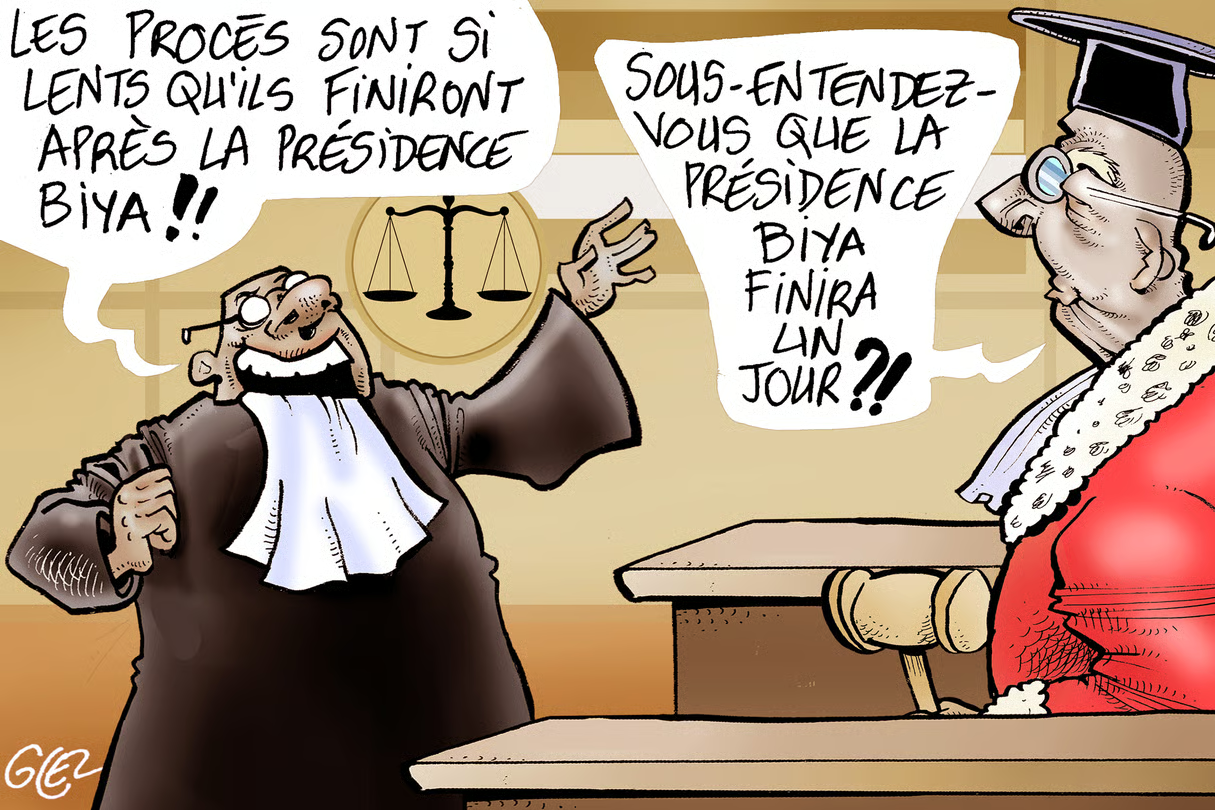
The trial, which began with high hopes for transparency and justice, has instead become a symbol of bureaucratic stagnation. Courtroom after courtroom, hearings are repeatedly postponed, evidence remains unexamined, and the defendants continue to languish in detention without clear timelines for resolution.
Legal limbo and its human impact
For those held in custody, each passing month deepens the uncertainty. Families of the detainees endure emotional and financial strain, while legal teams struggle to navigate a system where procedural hurdles seem insurmountable. Defense attorneys highlight the lack of progress as a violation of the right to a timely trial, a fundamental principle in any justice system.
Observers note that the delays not only prolong the suffering of the accused but also erode public trust in the judiciary. Questions linger about the underlying motivations behind the postponements, fueling speculation about political interference or systemic inefficiencies.
Calls for accountability and reform
Civil society groups and international observers have intensified calls for the government to address the delays and ensure that due process is upheld. Advocacy organizations stress that justice delayed is justice denied, particularly in cases involving allegations of political violence where public confidence in institutions is at stake.
The prolonged judicial saga has also sparked debates about the need for judicial reforms in Cameroon. Legal experts argue that systemic bottlenecks, from overburdened courts to outdated procedures, must be addressed to prevent similar situations in the future. Without meaningful change, the cycle of delay and frustration risks becoming a permanent fixture of the country’s legal landscape.
As the trial drags on, the human and institutional costs continue to mount. For the detainees and their families, the wait for justice grows ever longer, leaving an indelible mark on the nation’s collective memory of the 2025 electoral period.