Cameroon’s ministerial glasses saga: the high price of a minor allegation for four journalists
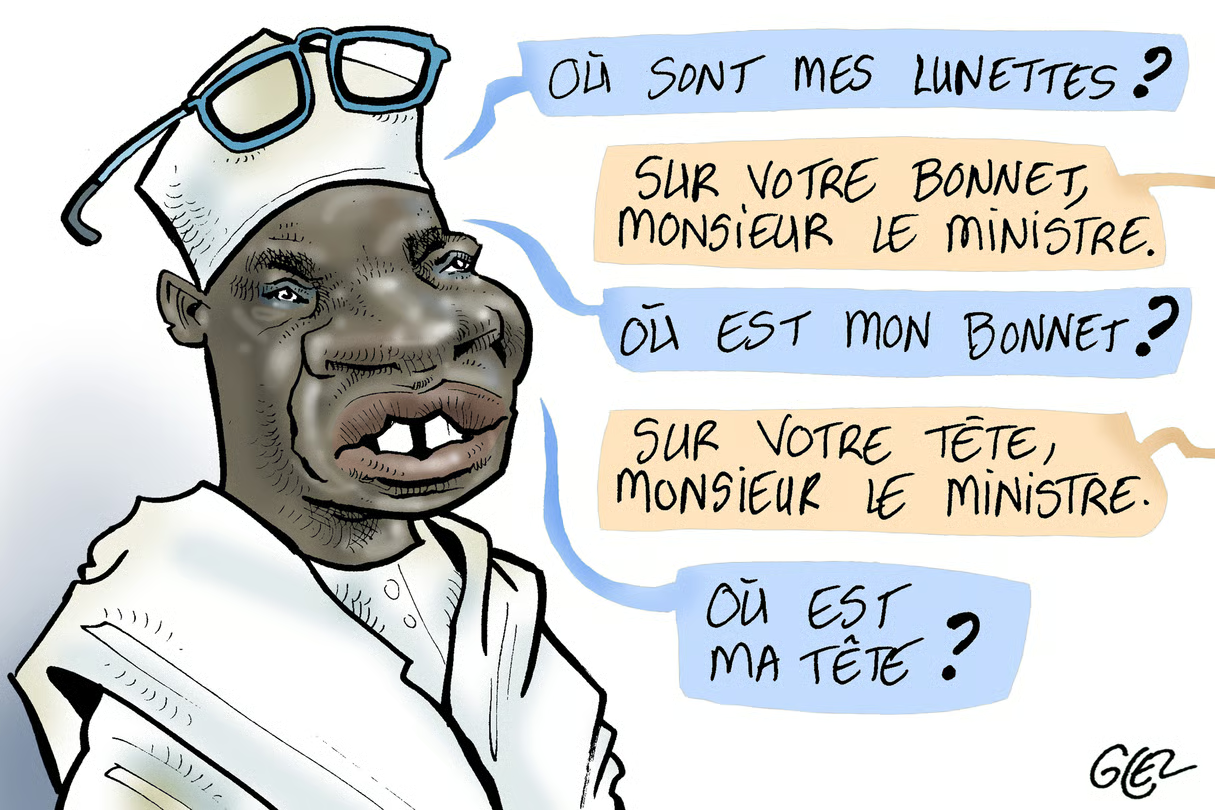
Why did a pair of glasses trigger Cameroon’s most controversial press freedom debate?
In Cameroon, a seemingly trivial allegation involving a government minister’s eyewear escalated into a landmark press freedom crisis. Four journalists now face severe consequences that have sent shockwaves through the media landscape. But how did a pair of glasses become a flashpoint for justice, media ethics, and fundamental rights in the country?
From rumor to conviction: the timeline that changed everything
The controversy began when a minister was spotted wearing designer eyewear that local media outlets reported as excessively costly. What started as commentary quickly spiraled into legal action after authorities deemed the coverage defamatory. Within weeks, four journalists found themselves entangled in a legal battle that would test the boundaries of press freedom in Cameroon.
- Initial reporting: Media houses published articles questioning the origin of the minister’s glasses, citing public interest in government spending.
- Legal escalation: Authorities filed charges of defamation and reputational harm, arguing the reports were unsubstantiated.
- Courtroom showdown: After a swift trial, the journalists were handed down convictions that included heavy fines and suspended prison sentences.
What does this verdict mean for Cameroon’s press?
The ruling has raised serious concerns about the state of press freedom in Cameroon. Critics argue that the case sets a dangerous precedent, where even routine reporting on public figures can lead to severe legal repercussions. Journalists and media advocates warn that this verdict could stifle investigative reporting and discourage critical journalism across the country.
Key implications include:
- Chilling effect on journalism: Reporters may now hesitate to scrutinize government officials due to fear of legal retaliation.
- Erosion of public trust: Citizens may lose confidence in media outlets if they perceive journalism as being under constant threat.
- International scrutiny: Human rights organizations and press freedom groups are closely monitoring the situation, with potential diplomatic repercussions.
Public reaction: outrage, solidarity, and calls for reform
The verdict has sparked widespread debate among Cameroonians. Social media platforms are ablaze with discussions about the case, with many questioning the fairness of the legal process. Civil society groups have organized protests and petitions demanding the repeal of the judgment, while some government supporters defend the ruling as necessary to protect public officials from baseless accusations.
Key reactions include:
- Media solidarity: Local and international press freedom organizations have condemned the verdict, calling it an attack on democratic values.
- Political divide: Opposition figures have seized on the case to criticize the government’s handling of press freedom.
- Legal challenges: Appeals are expected as legal teams prepare to challenge the conviction on constitutional grounds.
Lessons for Cameroon’s future: balancing accountability and freedom
The glasses affair serves as a cautionary tale about the fragility of press freedom in Cameroon. It highlights the need for legal reforms that protect journalists while ensuring accountability. As the country grapples with this controversy, one question remains at the forefront: Can Cameroon’s media landscape recover from this blow, or will this verdict mark the beginning of a darker era for journalism?
For now, the four journalists and their supporters continue to fight for justice, while the nation watches closely to see whether this case will be a turning point—or a permanent setback—for press freedom in Cameroon.