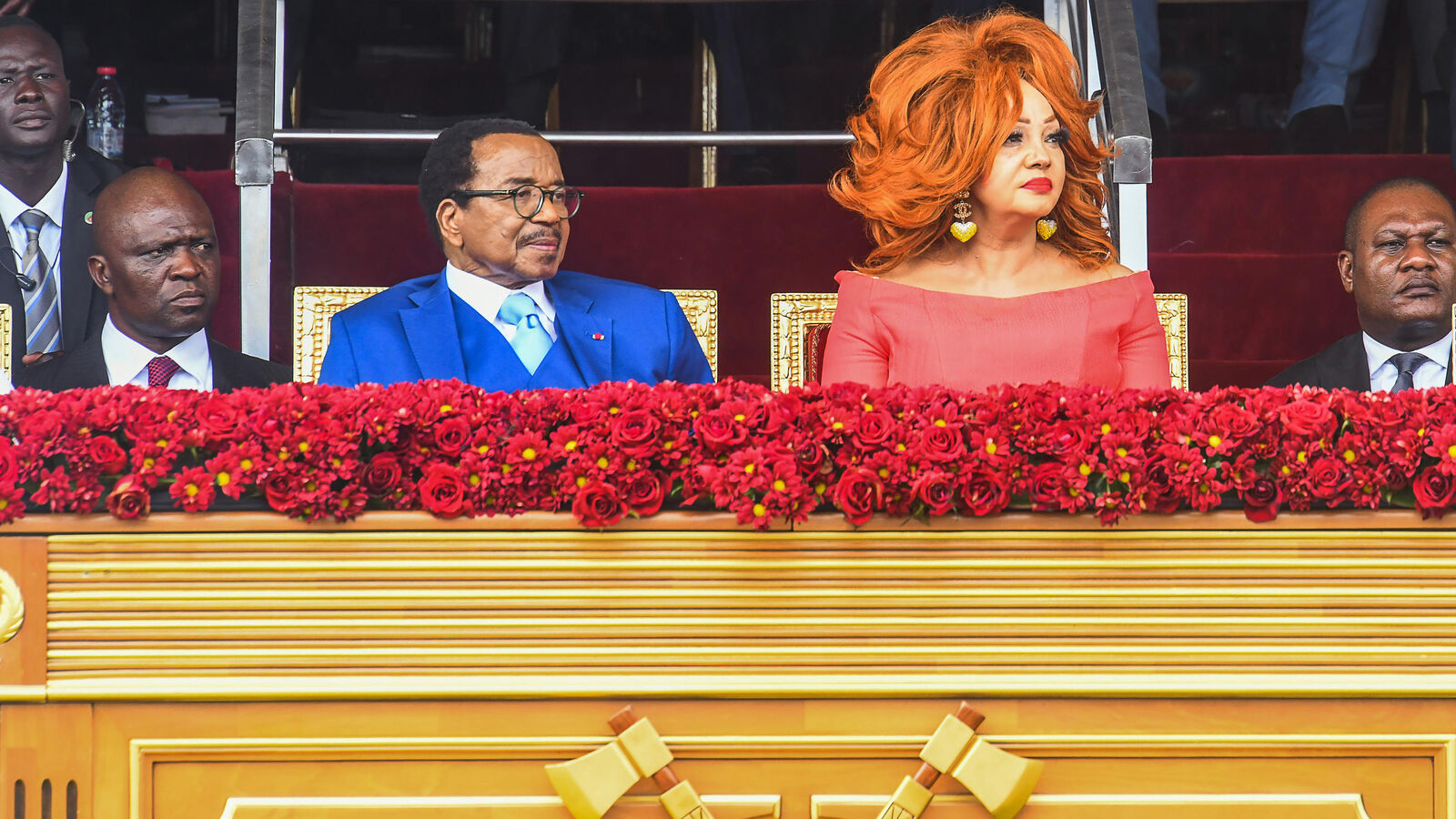
Paul Biya’s prolonged stay in Switzerland fuels uncertainty in Cameroon’s leadership
The Cameroonian head of state has been receiving medical care in Geneva for over two months, raising questions about governance and the future of the country’s leadership.
The absence of President Paul Biya from Cameroon has stretched beyond 65 days, a situation unprecedented in his 43-year tenure. Since June 7, the head of state has been in Switzerland, where he reportedly received medical attention following a health episode during a public event.
Rumors and concerns about his health and ability to govern have intensified. Without public appearances or clear official statements, speculation has grown, with some questioning whether the president remains in office.
Governance from a distance and growing skepticism
Despite government assurances that Biya continues to lead the country through delegated decrees and remote directives, the prolonged silence has fueled doubts among the public and opposition figures. Some analysts argue that Switzerland has effectively become the operational center of Cameroon’s government, raising constitutional and procedural concerns.
The lack of transparency surrounding the president’s condition and whereabouts has only deepened unease. While state media occasionally publish photographs or brief statements, these efforts have done little to quell the rising tide of questions about the continuity of power.
Constitutional implications and the question of succession
Under Cameroonian law, a president unable to fulfill duties must formally transfer power to a designated successor. However, with Biya’s prolonged absence, no clear mechanism has been activated, leaving a leadership vacuum that opposition leaders and civil society groups have been quick to highlight.
Political analysts suggest the situation could destabilize national cohesion, particularly in a country already grappling with regional tensions and socio-economic challenges. The uncertainty has prompted calls from some quarters for constitutional clarity and transparent communication from state institutions.