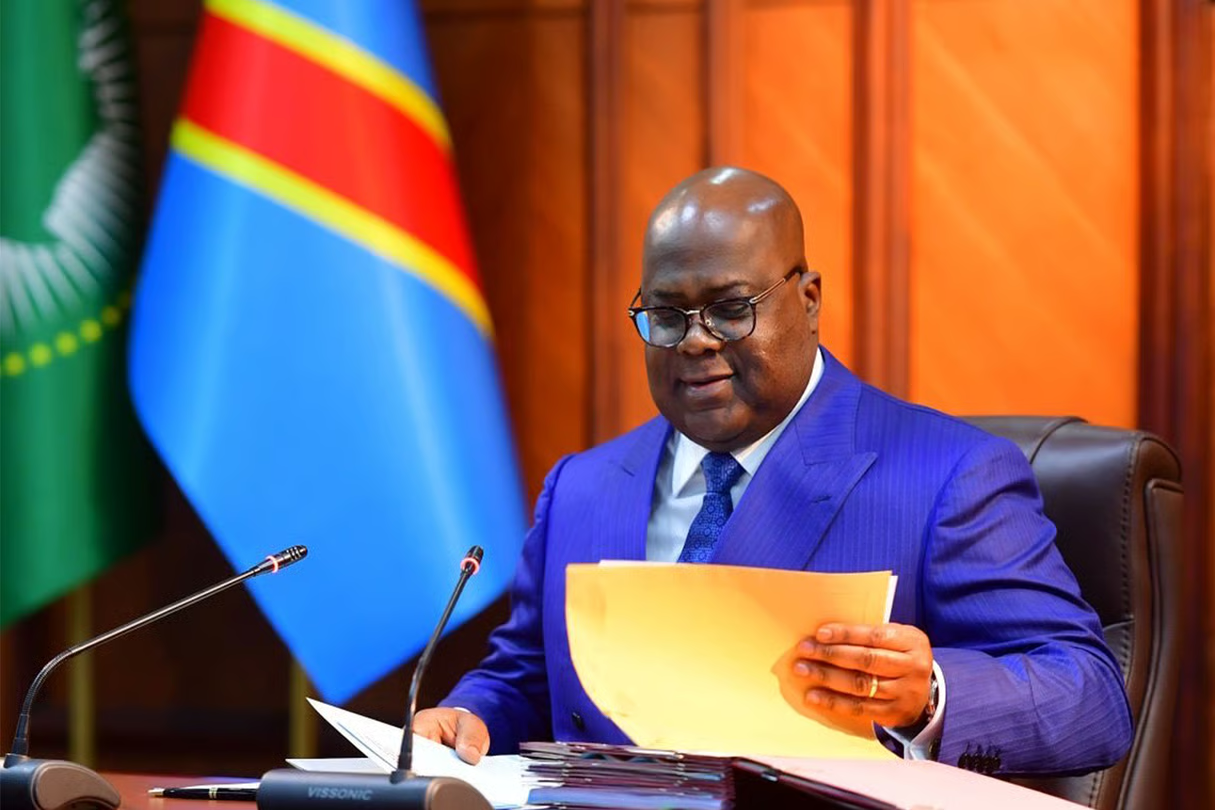
Recent developments in the Democratic Republic of Congo (DRC) suggest a subtle shift in the political climate, setting the stage for what could become a pivotal national dialogue.
Signs of political thawing in Kinshasa
The capital is buzzing with cautious optimism as high-level discussions gain traction. Political observers note a marked reduction in tensions that have long defined the country’s governance landscape. This easing of hostilities hasn’t emerged overnight—it reflects months of behind-the-scenes negotiations and strategic concessions.
Key stakeholders, including opposition figures and ruling party representatives, have reportedly engaged in discreet talks. These exchanges, though still fragile, signal a potential turning point in the nation’s political trajectory. The atmosphere, while still tense, no longer carries the same explosive charge it once did.
What’s driving this change?
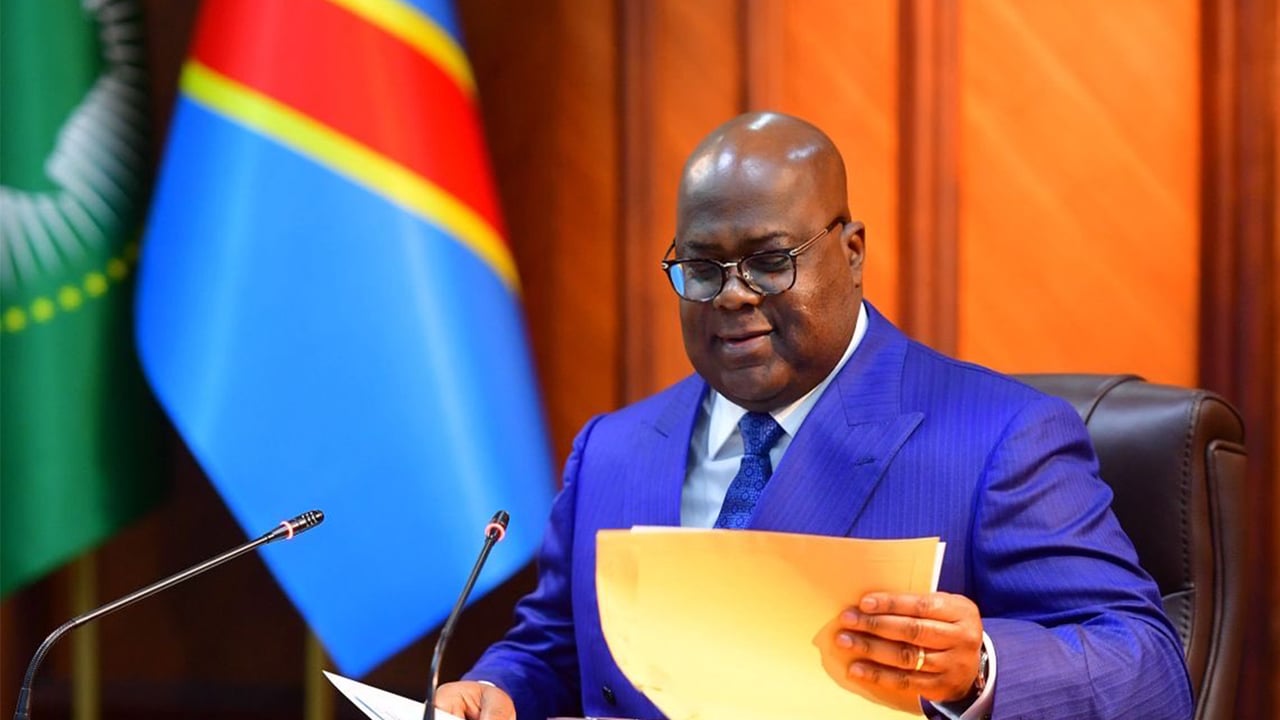
Several factors appear to be propelling this shift. President Félix Tshisekedi has taken steps to broaden his support base, reaching out to previously marginalized groups. Meanwhile, opposition leaders have shown a willingness—albeit cautious—to participate in structured dialogue rather than confrontational politics.
Economic pressures also play a role. With the country grappling with inflation, unemployment, and infrastructure gaps, both sides recognize that prolonged instability could deepen existing crises. A national dialogue could offer a pathway to address these urgent issues while restoring public trust in institutions.
Challenges ahead for the dialogue process
Building trust between factions
Trust remains the biggest hurdle. Years of political rivalry have left deep scars, and skepticism lingers about the sincerity of these overtures. For the dialogue to succeed, both sides must demonstrate tangible commitments—releasing political prisoners, lifting restrictive laws, or agreeing to transparent oversight mechanisms.
Inclusivity and representation
The process must include voices from civil society, ethnic communities, and regional leaders. Marginalized groups, in particular, must feel their concerns are being heard. Without broad representation, even the most well-intentioned dialogue risks reinforcing existing power imbalances.
External influences
The DRC’s political landscape is often shaped by regional and international actors. Neighbors like Rwanda and Uganda, as well as global partners, could influence the dialogue’s outcome. Their involvement could either stabilize the process or inject new tensions, depending on how their interests align—or clash—with domestic priorities.
What’s next for the DRC?
The path forward is uncertain but not without promise. If the current easing holds, Kinshasa could see a gradual normalization of political life. A successful dialogue might lead to constitutional reforms, electoral preparations, or power-sharing agreements. However, the risk of backsliding remains real—especially if key players revert to old tactics of exclusion or repression.
The coming weeks will be critical. Will the dialogue move from rhetoric to action? Can the fragile trust hold under pressure? For a nation weary of conflict, the stakes couldn’t be higher.