Ebola and conflict: a double crisis gripping eastern DRC
Eastern Democratic Republic of the Congo is trapped in a vicious cycle where Ebola and relentless conflict compound each other’s devastation. For years, communities have endured displacement and violence that have crippled their ability to grow food and earn a living. Now, the resurgence of Ebola intensifies these hardships, forcing families into an impossible choice: risk exposure to the virus or face starvation.
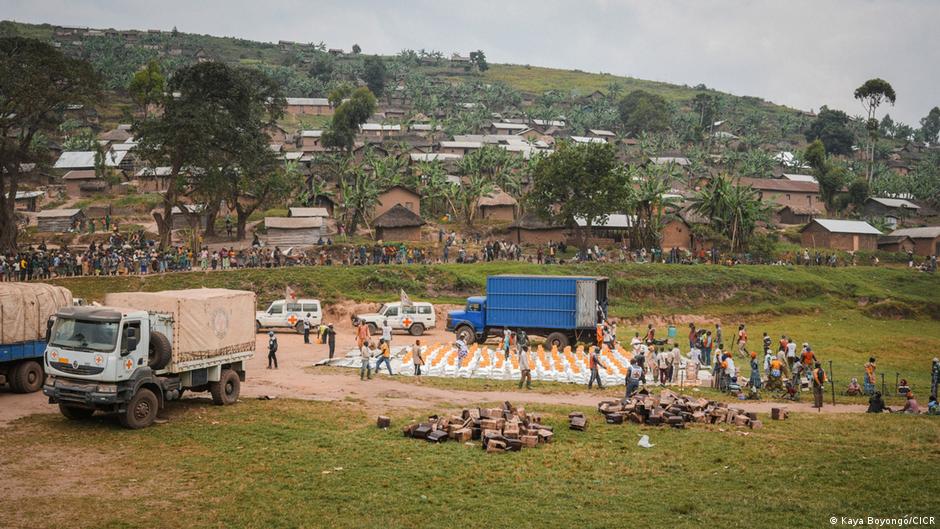
The International Committee of the Red Cross has resumed critical food and seed distributions, reaching over 80,000 people despite severe operational constraints. But how can aid workers deliver support when entire regions are cut off by fighting and communities are on the brink of collapse?
Double crises collide
The eastern DRC has suffered decades of armed conflict that have left deep scars on its people and land. Repeated waves of violence have repeatedly shattered livelihoods, leaving households with fewer resources to cope. When Ebola emerged amid this backdrop, it did not just add another layer of suffering—it accelerated the erosion of resilience.
Abdoule-Karim Diomande, Head of Programs for the ICRC in DRC, explains the toll this dual crisis takes on local families. “The violence has already shattered lives and livelihoods in eastern DRC. When Ebola strikes, it strips away the last coping strategies people had left,” he says. “Restrictions on movement and market closures, though necessary to contain the virus, also cut off access to food and income—especially for the poorest.”
Farming and food security under siege
The agricultural sector, already weakened by years of instability, now faces new threats. Many farmers have lost access to their fields, forcing them to cultivate smaller, overused plots near villages they consider safer. This over-exploitation risks depleting soil fertility and reducing future harvests.
Extension services, which help farmers improve yields and adopt better techniques, are barely functioning due to ongoing insecurity and restricted access to displaced communities. Border closures have also disrupted trade, cutting off vital supply chains that once provided food and income for countless households.
Who suffers the most?
It is the most vulnerable—women, children, elderly, and displaced families—who bear the heaviest burden. With markets closed and fields out of reach, they are left with dwindling options. “Every new crisis weakens their ability to recover,” Diomande warns. “Without urgent support, more families will slide into hunger and malnutrition.”
As Ebola continues to spread and armed groups maintain their hold, the humanitarian window to intervene is closing fast. Aid agencies are racing against time—but the scale of need far exceeds available resources.