Burkina Faso’s crossroads: four years under Traoré’s military rule and the unseen human cost
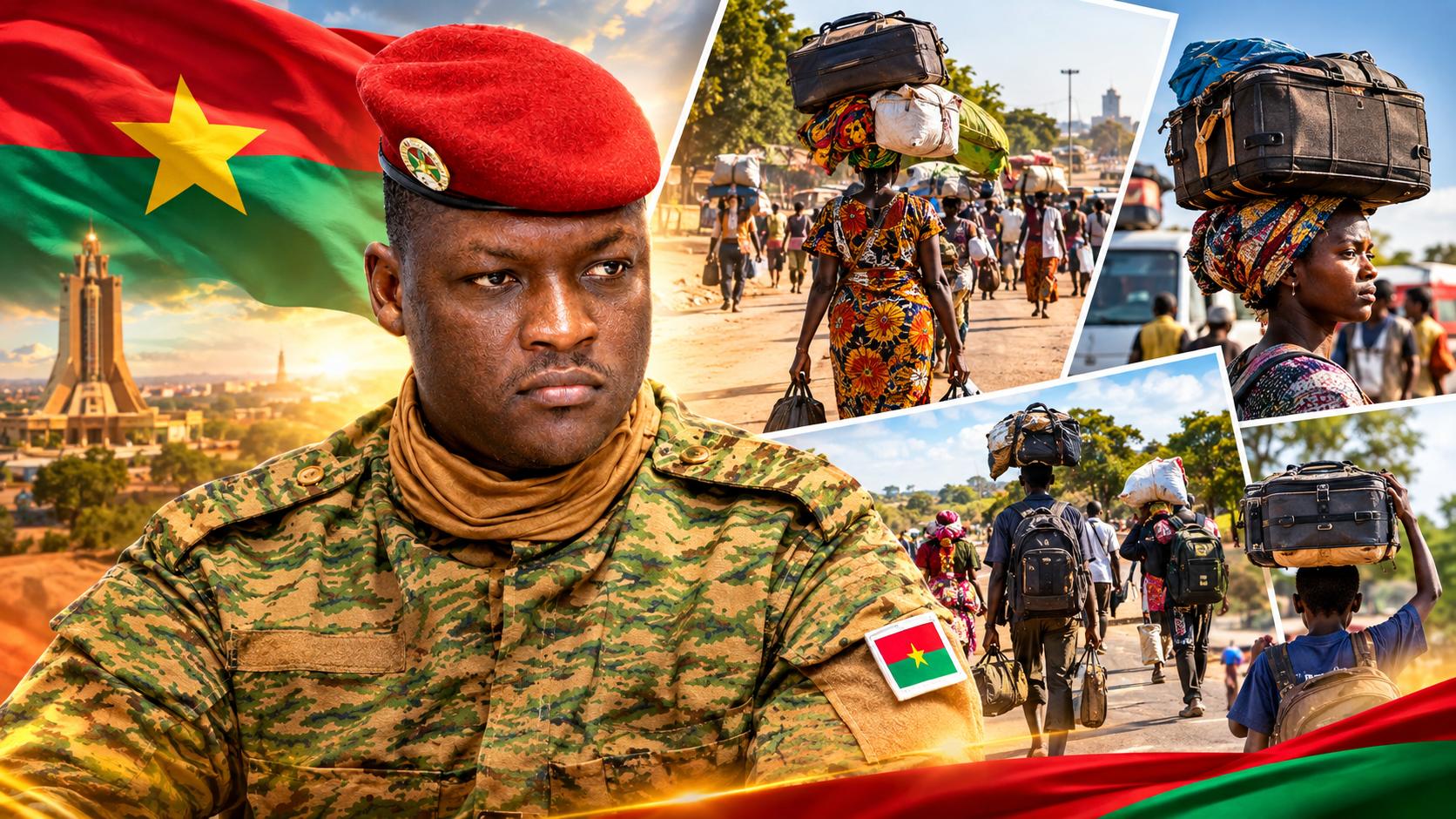
Behind Burkina Faso’s four-year security shift: promises vs. ground realities
The lightning-fast takeover by Captain Ibrahim Traoré in Ouagadougou on September 30, 2022, triggered a seismic shift in Burkina Faso’s security posture. Four years later, the junta’s narrative spins a tale of regained territory, bolstered armed forces, and a bold break from Western allies. Yet beneath the official rhetoric of victory, the human toll tells a starkly different story—one of persistent violence, mass displacement, and shrinking civic space.
Securing the nation or deepening insecurity? The paradox of Burkina Faso’s counterinsurgency
Traoré’s tenure opened with a sweeping vow: crush the jihadist threat and reclaim control. The government scaled up troop training, rolled out the Volontaires pour la défense de la patrie (VDP) as civilian auxiliaries, and pushed for greater military self-reliance. Official updates boast of retaken zones and upgraded firepower, yet ACLED’s latest data reveals a stubborn paradox—the number and ferocity of attacks remain nearly unchanged. Civilians continue to bear the brunt through roadside bombings, village raids, and nighttime incursions.
Regional observers note that while the number of districts formally classified as “under state control” has ticked upward, the areas remain contested pockets rather than stable sanctuaries. In short, territory regained has not equaled safety secured.
Two million displaced, and no return in sight
By late 2025, Burkina Faso’s displacement crisis had reached staggering levels. HCR tallies placed the number of internally displaced persons at more than 2.06 million—an ordeal that stretches housing, food, and medical services to breaking point in host communities across the country. Behind each statistic lies a family uprooted by fear, a child barred from school, a farmer whose land now lies fallow.
Human Rights Watch’s field reports document how displacement is no longer driven solely by jihadist violence. In multiple provinces, VDP units and regular soldiers have carried out punitive raids on villages suspected of harboring militants, leaving scores of civilians dead or displaced. Between 2023 and 2025, the organisation recorded at least 1 800 civilian fatalities attributed to such clashes and cross-fire, underscoring how state-led operations now contribute directly to the humanitarian emergency.
Journalists silenced en masse: the erosion of Burkina Faso’s media landscape
Traoré’s administration has framed press restrictions as wartime necessity—a bid to shield morale and operational secrecy. Yet media monitors argue that what started as temporary wartime measures has calcified into a permanent shrinking of civic freedoms. In 2025 alone, Reporters Without Borders documented eight journalists summoned by security services in October and a rising number of enforced conscriptions into military service.
The emblematic case of Atiana Serge Oulon, editor of L’Événement, illustrates the broader pattern. After his abduction in June 2024, authorities claimed he had been drafted into the armed forces. Independent reporting in 2026, however, suggests he was held incommunicado in Ouagadougou, casting doubt on the official explanation and painting a darker picture of extra-legal detention.
Forced enlistment: coercion masquerading as patriotism?
Human Rights Watch’s investigators have documented dozens of instances in which critics—journalists, civil-society leaders, opposition figures, and even judges—were rounded up and sent to combat zones. While every state can mobilise citizens for national defence, monitors stress that the practice must remain bound by due process and avenues for appeal. The evidence indicates that in many cases, enlistment orders functioned less as call-up orders and more as punitive measures against perceived dissent.
Sovereignty claimed, freedoms subdued
The junta’s break with former partners—particularly France—and its pivot toward alliances with Russia, Mali, and Niger within the Alliance of Sahel States have been framed as moves toward self-determination. Official statements also highlight localisation drives in mining and infrastructure, promising to redirect resource wealth toward Burkinabè communities rather than foreign coffers.
Yet simultaneous clampdowns on political assembly, arrests of activists, and a wave of exiles tell another side of the story. Independent analysts note that each sovereignty-driven policy has been paired with tighter restrictions on civic participation, leaving little room for public scrutiny or policy feedback.
Four years on: a divided legacy takes shape
Ibrahim Traoré’s first term leaves observers with a ledger split between hard-won gains and enduring costs. On the positive side, the military has expanded its ranks, local defence auxiliaries have been deployed nationwide, and Burkina Faso now charts its own regional course rather than deferring to former colonial power preferences.
On the negative side, insecurity remains deep-rooted, civilian displacement has reached record highs, and credible reports of state-sanctioned abuses continue to mount. The overarching question for Burkina Faso in 2026 is therefore not whether territory has been regained, but whether the gains will ever outweigh the human price paid along the way.