The hidden calculus behind Burkina Faso’s coordinated jihadist strikes
When Burkina Faso’s military post in Lalgaye and key security positions near Ouahigouya came under simultaneous jihadist assault on September 26, the attacks were anything but random. Far from isolated incidents, these strikes were carefully orchestrated to exploit gaps in the country’s security architecture while testing the resilience of government forces. The coordinated timing and spatial separation of the assaults—spanning hundreds of kilometers—revealed a deliberate strategy aimed at stretching the Armed Forces and Voluntaires pour la Défense de la Patrie (VDP) thin across critical regions.
Inside Lalgaye’s ambush: why this frontier post became a jihadist target
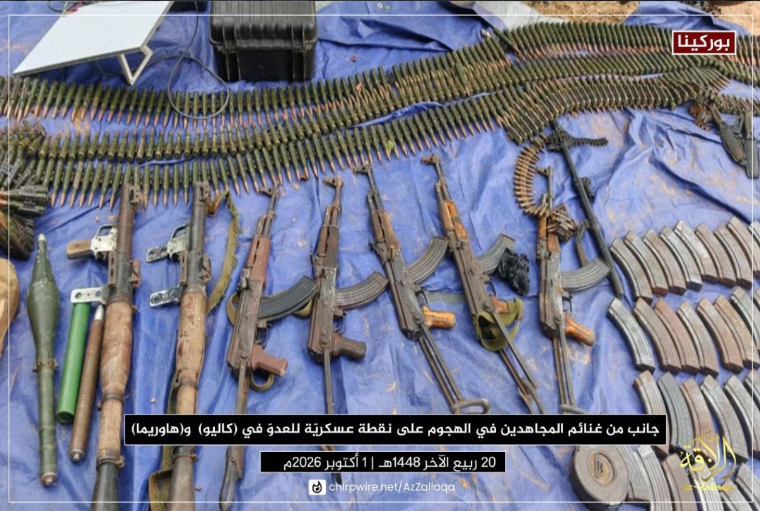
The attack on Lalgaye, a military outpost in the Koulpélogo province (Central-East region), was meticulously planned. Located just 20 kilometers from Ouargaye, the town’s strategic position makes it a prime target for jihadist groups seeking to disrupt supply lines and undermine local security. According to military communications, heavily armed assailants overwhelmed the isolated post, killing one soldier and seizing weapons, ammunition, and communication equipment before retreating into nearby wooded areas.
The raid’s success—despite a fierce but ultimately outnumbered military response—highlights a recurring pattern in Burkina Faso’s conflict. Jihadist factions, particularly the Group for Support of Islam and Muslims (JNIM), have repeatedly targeted remote military detachments to:
- Degrade government forces’ operational capacity by capturing weapons and logistical supplies.
- Create security vacuums in rural areas, forcing troops to concentrate in urban hubs.
- Undermine public confidence in the transitional government’s ability to maintain stability.
Ouahigouya’s twin threat: material losses and psychological warfare
While Lalgaye bore the brunt of the human toll, the North region’s strategic city of Ouahigouya faced a different but equally damaging assault. Two security positions came under coordinated fire, resulting in the destruction of a military armored vehicle—likely by heavy weaponry or an improvised explosive device (IED). Though casualty reports remain sparse, the material damage underscores a broader trend: jihadist groups are increasingly leveraging asymmetric tactics to destabilize key urban centers.
The simultaneous nature of the attacks, occurring within hours of each other across geographically distant zones, points to a sophisticated logistical and operational network. This raises critical questions about the group’s ability to sustain coordinated operations despite recent setbacks in the Sahel.
From attrition to intimidation: the JNIM’s evolving strategy in Burkina Faso
For military analysts tracking the conflict, the Lalgaye and Ouahigouya assaults exemplify a strategic pivot among jihadist factions. Beyond territorial control, the JNIM appears to prioritize three interconnected goals:
- Material attrition: Capturing weapons and equipment reduces dependence on external supply chains, turning captured loot into a self-sustaining resource.
- Territorial fragmentation: By forcing military units to retreat toward major cities like Tenkodogo or Ouagadougou, the group generates “security black holes” in rural areas, where governance and services collapse.
- Psychological warfare: Delayed claims of responsibility—such as the JNIM’s formal acknowledgment days after the attacks—reinforce a narrative of relentless pressure on the state, despite official reassurances to the contrary.
Burkina Faso’s security dilemma: balancing response and resilience
In the wake of the assaults, Burkina Faso’s Armed Forces (FAB) and allied VDP units launched immediate pursuit operations, deploying aerial reconnaissance in both the Koulpélogo and Yatenga regions. Yet the challenges remain daunting. Asymmetric warfare, widespread use of IEDs on key roads, and the vast, often inhospitable terrain complicate sustained counterterrorism efforts.
The transitional authorities in Ouagadougou have reiterated their commitment to regaining control of lost territories. However, the recent strikes serve as a stark reminder of the dual burden facing both soldiers and civilians: the physical fight for security and the psychological strain of living under constant threat. For residents of Lalgaye and surrounding areas, the assaults are yet another chapter in a grueling daily struggle to survive in a region teetering on the edge of collapse.
What’s next for Burkina Faso’s fight against jihadist expansion?
While the immediate focus remains on securing vulnerable zones, the Lalgaye and Ouahigouya attacks underscore a troubling reality: jihadist groups are adapting faster than counterinsurgency strategies can evolve. The coming weeks will reveal whether Burkina Faso’s security forces can reverse the tide—or if the conflict’s next phase will deepen the country’s fragmentation.