Absence of Cameroon’s president triggers deep uncertainty
For 57 days, President Paul Biya has remained invisible to the public eye, sparking intense speculation about his health and the future of Cameroon. The 93-year-old leader, who left Yaoundé for Geneva on June 7 under the guise of a routine private visit, has not been seen since. While officials insist he remains in charge, his prolonged absence has left the nation in uncharted territory.
A wave of military appointments raises alarm
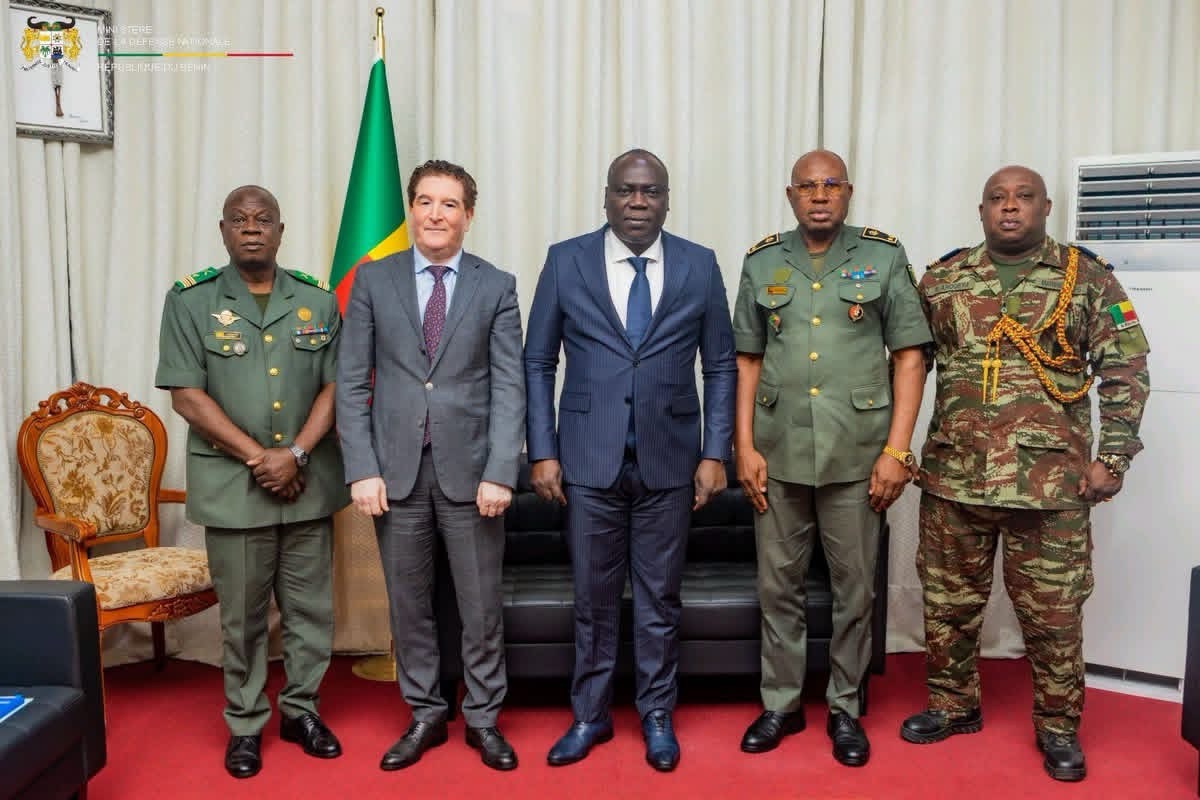
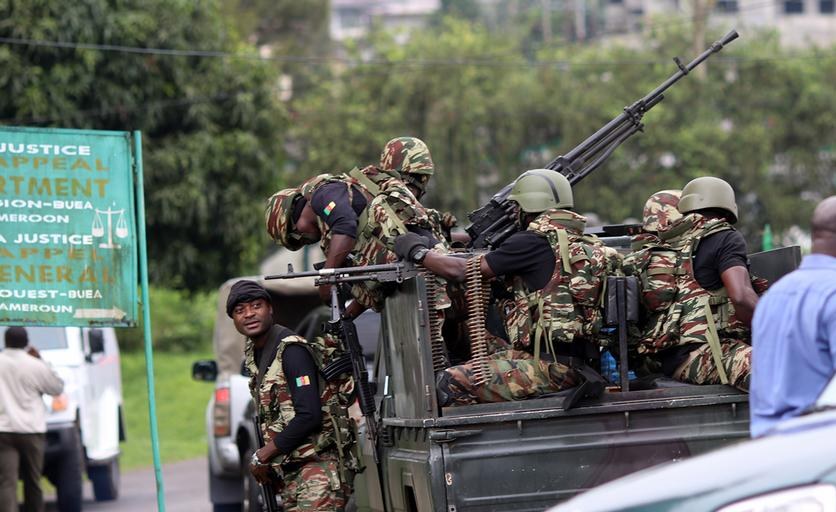
The power vacuum has coincided with sweeping changes in Cameroon’s military leadership. A presidential decree on August 3 reshuffled key security positions, including the appointment of General Beko’o Abondo Raymond Jean Charles as head of the Presidential Guard—a critical role responsible for protecting the head of state. Additional appointments included five new brigadier generals, a new army chief of staff, and six regional commanders across four military zones.
These moves, executed without the president’s public presence, have fueled concerns about an impending succession crisis. Military experts note that such high-level appointments typically require the president’s direct approval, raising questions about who is effectively steering the country’s security apparatus.
Tribal and political factions clash behind closed doors
The reshuffle comes amid escalating tensions between two dominant factions within the regime. One camp, led by the president’s eldest son Franck Biya, is seen as a guarantor of political continuity. The other, centered around First Lady Chantal Biya and powerful Secretary-General Ferdinand Ngoh Ngoh, represents an alternative power center. The rivalry has intensified since April’s constitutional revision reinstating the vice-presidential position—though it remains vacant, leaving the succession process in limbo.
Constitutional deadlock deepens
The absence of a vice president has created a critical gap in the succession framework. Opposition figures have called for the Constitutional Council to recognize a power vacuum, but the stalled mechanism means no formal action can be taken. Meanwhile, public frustration grows over the lack of transparency regarding the president’s condition and return timeline.
Historical parallels fuel fears of instability
Analysts draw unsettling comparisons to Rwanda’s 1994 crisis, where ethnic divisions and a militarized succession plunged the country into catastrophe. In Cameroon, where ethnic tensions simmer beneath the surface, the fear of a similar trajectory looms large. The military reshuffle, seen by some as ethnically motivated, has amplified these concerns, with critics warning that the nation is edging closer to a dangerous precipice.
Can diplomacy avert a crisis?
Experts suggest urgent steps to stabilize the situation: immediate disclosure of President Biya’s health status and return plans, inclusive national dialogue to ease communal tensions, and the appointment of a vice president to restore institutional balance. Without decisive action, the risk of escalation remains high.
The Cameroonian people, long accustomed to prolonged leadership, are now demanding accountability. As one commentator warned, “The fire is being played with—tomorrow, it may be too late to say, ‘We didn’t see it coming.’”