Can Burkina Faso’s state survive if villages 77 km from Ouagadougou keep falling?
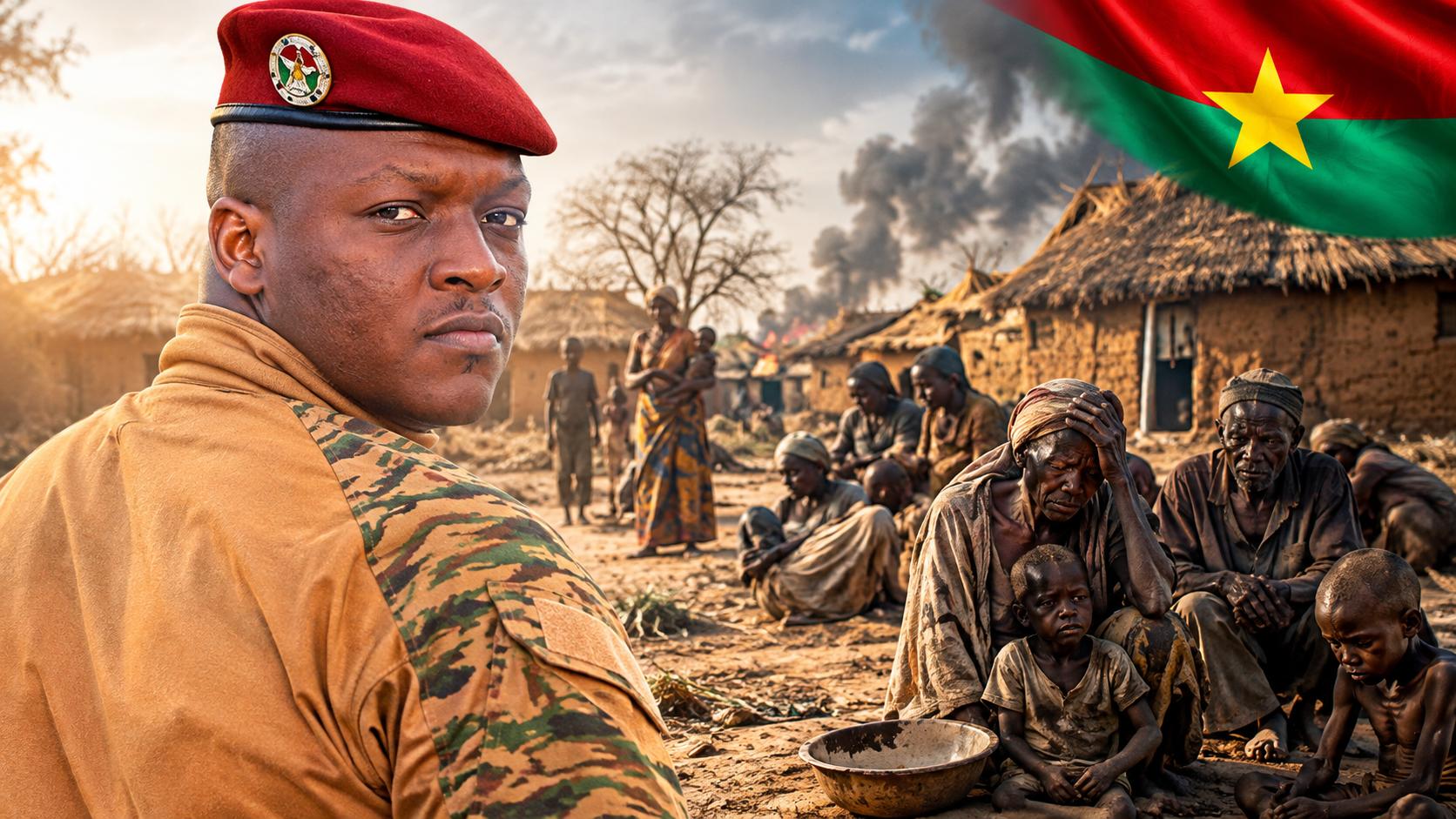
Just 77 kilometres north-east of Ouagadougou, the village of Boussouma has been emptied by terror. Its collapse raises a question that Burkina Faso’s authorities can no longer avoid: if a community this close to the capital can be erased from the map, what remains of the state’s hold on its own territory?
From trading crossroads to ghost village
Boussouma was once a bustling hub of commerce and a symbol of community cohesion. Today it stands as a stark example of forced rural exodus. Residents fled in the face of an inexorable advance by armed terrorist groups that have progressively installed themselves in the area.
Why did the traditional shield crumble?
The security breakdown did not happen in a vacuum. It followed directly from the recent reorganisation of the administrative and traditional framework imposed by the authorities. By dismantling local customary authorities and disrupting the historic administrative network — through the application of legislation on the status of customary chiefdom (law no. 002-2026/ALT) and adjustments within the royal court of Boussouma — the central government shattered the social shield and informal security anchor that had kept the zone cohesive.
A green light for attackers
This institutional vacuum and the loss of landmarks that followed were read on the ground as a starting signal for armed groups. Exploiting the weakening of traditional structures that had provided community relay and local intelligence, the attackers quickly moved in to impose their control.
How close is the threat to the capital?
The gradual entrenchment of armed groups and the near-total displacement of Boussouma’s population mark a critical stage in the country’s security decline. Seeing a village located less than 80 kilometres from the capital deserted under terrorist pressure demonstrates the scale of the state’s territorial retreat.
A widening displacement crisis
Displaced residents are streaming into neighbouring localities or trying to reach the outskirts of Ouagadougou in complete destitution. Their plight sharpens a pressing dilemma: are the ongoing institutional reforms worth the cost when local populations see them as decisions disconnected from the vital emergencies on the ground?
What is at stake for Burkina Faso?
The abandonment of Boussouma is not just a local tragedy. It is a warning. If reforms meant to modernise governance end up breaking the very community ties that hold remote areas together, the state risks losing not only territory but the trust of the people it aims to protect.