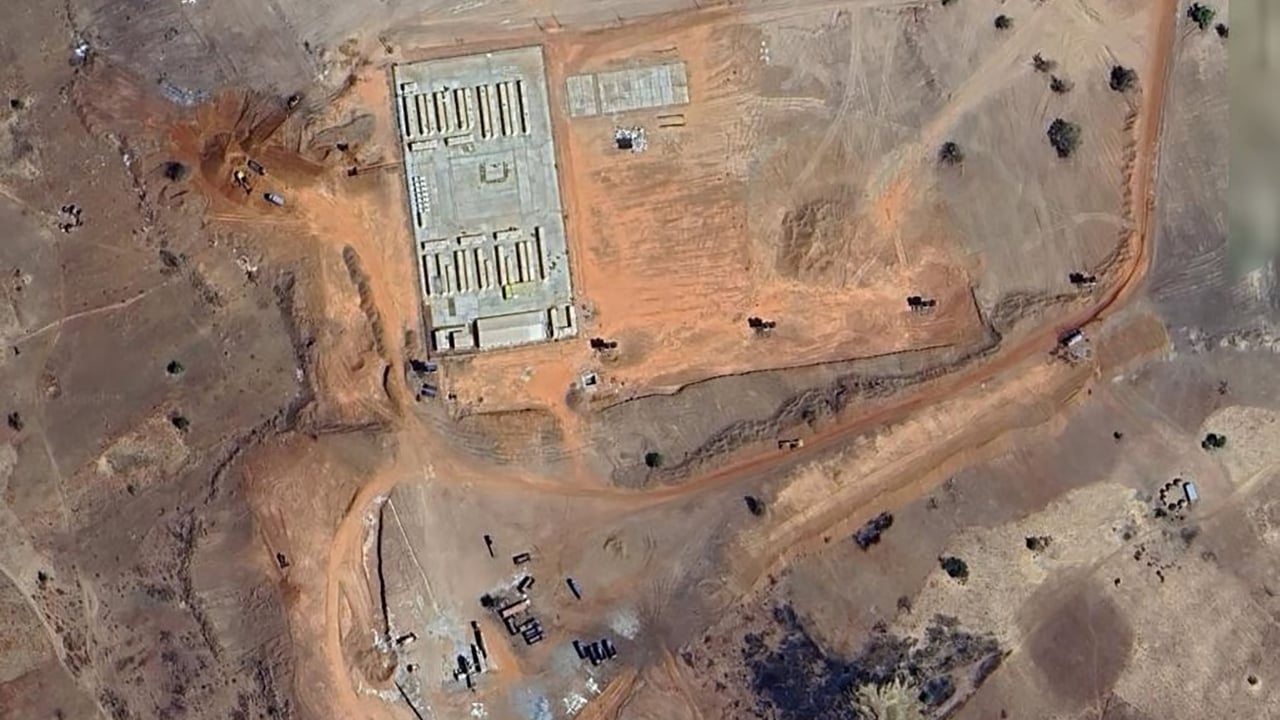
Chad’s government has forcefully rejected claims that it carried out an airstrike on Niger, calling on Niamey to provide concrete, verifiable proof to substantiate its accusations. In a blunt response, officials in N’Djamena reaffirmed that the allegations are baseless and fail to meet even the most basic standards of evidence.
Chad’s response: No involvement, no compromise on demands
Speaking on behalf of the Chadian government, spokesperson and Minister Gassim Chérif Mahamat delivered a clear and uncompromising rebuttal to the strike allegations. “The government of Chad categorically denies any involvement in a military operation targeting Niger,” he stated. “Such serious accusations cannot be entertained without immediate access to tangible, reviewable evidence.”
The minister emphasized that accusations of state-sponsored military action demand rigorous verification. Rather than allowing unverified claims to dominate the discourse, Chad insists that Niamey must publish all available material, technical, and intelligence-related information it claims to possess. Only then can an objective evaluation be conducted, and only then can the integrity of the accusation be assessed.
Transparency over speculation: What evidence has been made public?
Chad’s position rests on a single principle: accountability through evidence. According to N’Djamena, no verifiable proof has been shared regarding the alleged strike. While Niamey has referenced “material and technical elements,” these have not been disclosed in any form accessible to independent analysis. This lack of transparency, Chad argues, fuels speculation and undermines regional stability.
The government underscores that accusations between neighboring states must be evaluated on the basis of shared information. Until such time as credible evidence is presented, the allegations remain unsubstantiated and cannot be used as a basis for diplomatic escalation or public condemnation.
Security concerns take center stage: The rebel presence on the agenda
Beyond the strike allegations, Chad has repeatedly raised alarms about armed rebel groups operating from Nigerien territory over the past four years. These warnings, N’Djamena insists, were communicated directly to Niamey on multiple occasions, particularly regarding cross-border movements of fighters linked to Chadian opposition factions.
While these concerns are not directly related to the strike claims, the government frames both issues within the broader context of regional security. It argues that addressing cross-border threats requires cooperation—not unilateral accusations. By highlighting the rebel presence, Chad aims to redirect attention to the real security challenges affecting both countries.
Analysts suggest that linking the strike denial to long-standing security worries may be an attempt to reframe the narrative, urging Niamey to focus on joint solutions rather than isolated allegations.
The risk of unproven accusations: Can diplomatic damage be avoided?
The exchange has raised concerns about a possible deterioration in Chadian-Nigerien relations, particularly at a time when both nations face shared threats from armed groups operating across porous borders. Unsubstantiated accusations, Chad warns, can erode trust and complicate future collaboration in counterterrorism and border security.
For N’Djamena, the path forward is clear: transparency, dialogue, and adherence to fact-based communication. The government maintains that only the release of verifiable evidence can settle the dispute and prevent further damage to bilateral ties. Until then, the allegations remain allegations—and nothing more.
What’s next? The ball is in Niger’s court
Chad has made its position unmistakable: no involvement, no acceptance of unproven claims, and a firm demand for public evidence. The next step rests with Niamey. Will it provide the necessary proof? Or will the accusations remain in the realm of political rhetoric, threatening to destabilize a fragile regional security framework?
The coming days will reveal whether diplomatic channels can prevail over suspicion—or if the absence of hard evidence will allow the dispute to fester, potentially complicating efforts to address the real security threats both countries face.