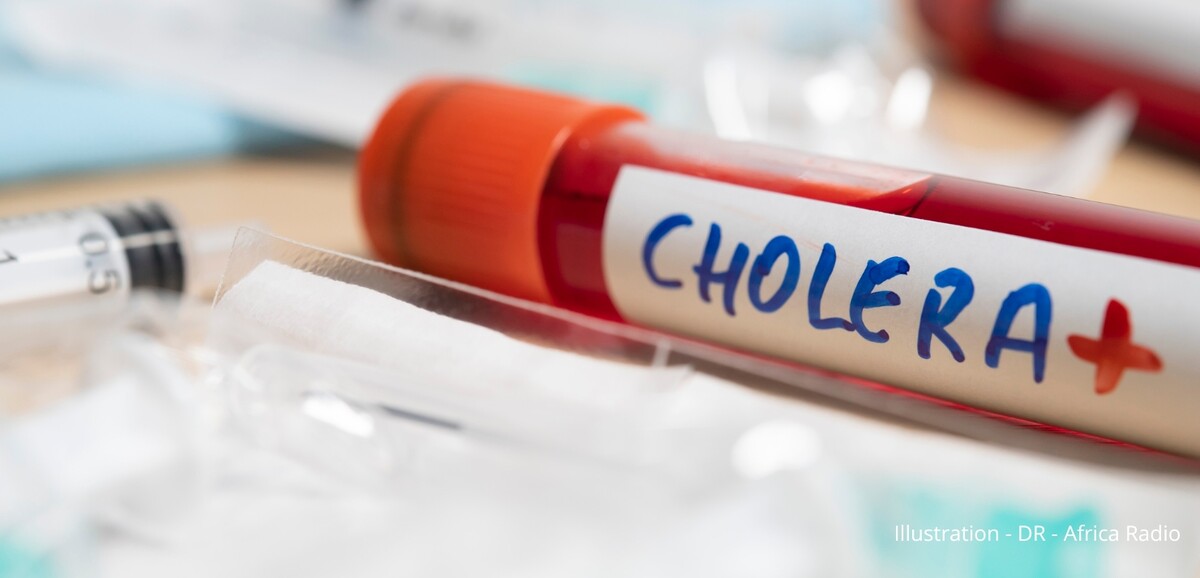
Cholera outbreak in Chad claims 13 lives, over 230 cases reported
Chad is grappling with a rapidly spreading cholera epidemic that has already claimed 13 lives and infected 239 people. Health authorities have initiated an emergency vaccination campaign to curb the outbreak.
Escalating health crisis in Central Africa
The cholera outbreak, first detected in mid-June, has rapidly intensified, prompting health officials to declare a public health emergency on July 24. The hardest-hit regions include Hadjer Lamis province in northern Chad and the capital city, N’Djamena, where transmission rates remain alarmingly high.
Emergency response and vaccination drive
In response to the crisis, health authorities have launched a large-scale vaccination campaign, with over 50,000 individuals already receiving their first dose. Despite these efforts, the outbreak continues to spread, driven by limited access to clean water and inadequate sanitation infrastructure—a persistent challenge across the region.
Understanding cholera and its risks
Cholera, a waterborne disease, spreads through contaminated food and water. While treatable with prompt rehydration and, in severe cases, antibiotics, the infection can prove fatal within hours if left untreated. Health experts emphasize the importance of community awareness and preventive measures to mitigate further transmission.
Regional context and ongoing threats
Chad is not alone in facing this crisis. Neighboring countries such as the Central African Republic, Nigeria, and the Democratic Republic of Congo have also reported significant cholera outbreaks in recent months, highlighting the urgent need for coordinated regional health interventions.