
Congo constitution clashes spark fresh opposition protests fears
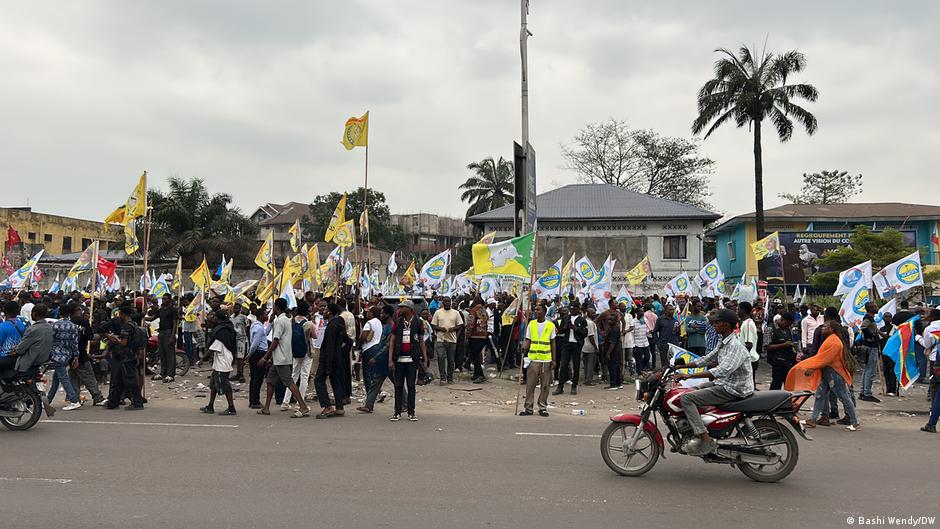
Congo constitution crisis fuels fears of renewed opposition protests
July 29, 2026With the Constitutional Court endorsing the referendum framework law, the government views this as a procedural milestone—yet the opposition sees it as a dangerous step toward altering the Constitution, sparking fresh concerns about escalating political unrest.
The coalition Article 64 has vowed to intensify its resistance following the court’s ruling, which it argues paves the way for constitutional amendments the group vehemently opposes. Prince Epenge, a prominent spokesperson, has called on citizens to remain vigilant and united in their opposition.
“We won’t back down. We will channel all our strength and energy to ensure this law never takes effect in our country,” he declared.
He further emphasized the public’s anger, urging people to “stand firm, stay mobilized, and resolutely reject a third term and any attempt to divide the nation.”
Kinshasa residents voice growing unease
As leaders of Article 64 convened Wednesday evening to plot their next moves, residents of Kinshasa expressed deep concerns about the potential for renewed protests—and the risk of violence. Many fear that demonstrations could disrupt daily life and spiral out of control.
“Will their protests remain peaceful?” questioned one resident, stressing the need to “prevent any loss of life.”
Another resident echoed these worries, citing fears that “the political climate in the DRC could deteriorate further in the wake of this decision.”
“The ones stoking tensions right now are those in power,” alleged another local. “They often deploy forces to disrupt opposition marches.”
A final resident, speaking on condition of anonymity, voiced concerns that “it’s the public who will bear the brunt when protests erupt.”
Political dialogue at risk
According to Timo Roujean, an analyst with the Konrad Adenauer Foundation, the swift enactment of this law could harden the political landscape. He warned that if President Félix Tshisekedi signs the legislation before August 15, it may derail ongoing efforts to foster political dialogue and embolden factions advocating confrontation.
“If he signs it before mid-August, the dialogue process could collapse completely,” Roujean cautioned. He added that “in an already tense climate, where whispers of a constitutional coup persist, this court ruling risks validating the narrative that force is the only way to oppose the government.”
The Constitutional Court’s decision has not resolved the dispute. As the pro-government camp secures a legal framework for its ambitions, the opposition remains steadfast in its determination to block any constitutional changes. The coming weeks could prove pivotal in shaping the trajectory of Congo’s deepening political crisis.