
DRC faces fresh opposition protests over constitutional changes
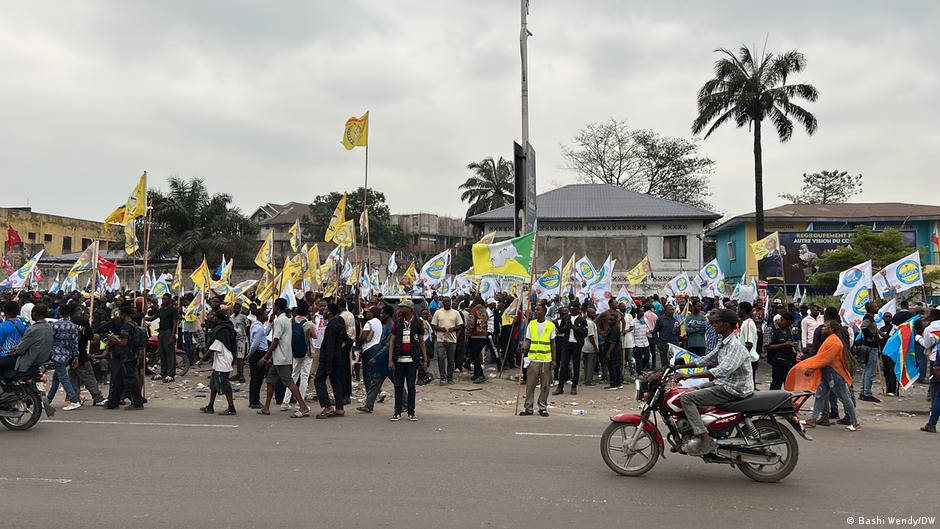
DRC faces fresh opposition protests over constitutional changes
July 29, 2026The Constitutional Court’s decision to uphold the referendum law has given fresh ammunition to the opposition coalition Article 64, which vows to escalate protests. The group sees the ruling as a clear attempt to bypass constitutional limits and enable a third term for President Félix Tshisekedi.
Prince Epenge, a spokesperson for Article 64, made his stance unequivocal in a public address: “We will not back down. We will pool our strength and energy to ensure this law never takes root in our country.” He added that “the public is outraged and must remain mobilized to reject any third term ambitions and attempts at political fragmentation.”
Kinshasa residents voice growing unease
As coalition leaders convened Wednesday evening to chart their next moves, residents of Kinshasa shared their concerns about the potential for renewed unrest. Many fear that further demonstrations could disrupt daily life or spiral into violence.
One resident questioned whether opposition leaders would “manage to keep their marches peaceful,” stressing the need to “avoid any loss of life.”
Another expressed deep anxiety that “the political climate in the DRC could deteriorate rapidly following this ruling.”
One local resident went further, accusing authorities of “actively sowing chaos to undermine opposition protests.”
A final interviewee highlighted the human cost: “It’s the people who will suffer most when clashes erupt during demonstrations.”
Dialogue under threat
Timo Roujean, a researcher at the Konrad Adenauer Foundation, warns that a swift presidential endorsement of the law could derail ongoing political dialogue efforts. He cautioned that “if the president signs the law before August 15, the entire dialogue process could collapse.”
The analyst emphasized that in an already tense environment—where rumors of a constitutional coup circulate—this court decision “could embolden those advocating armed resistance as the only means to oppose the government.”
The constitutional debate now stands at a crossroads. With the ruling party armed with a legal framework and the opposition steadfast in opposing any constitutional reform, the coming weeks will be critical in shaping the DRC’s political future.