
Congo constitution crisis stirs opposition protests
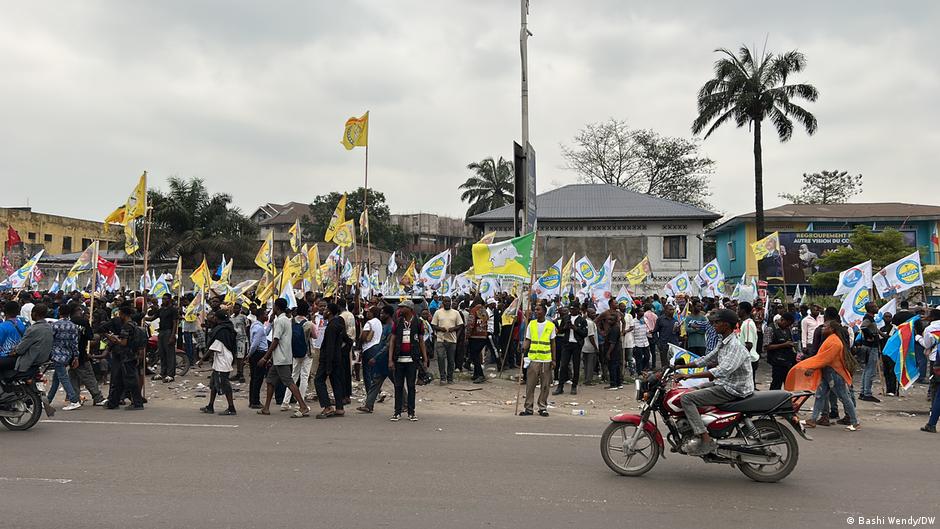
The Constitutional Court’s endorsement of the referendum framework has reignited fierce debates over potential constitutional amendments in the Democratic Republic of the Congo. While authorities view this as a procedural milestone, opposition groups warn of a dangerous slide toward unconstitutional changes and vow to escalate their resistance.
Leading the charge, the Article 64 coalition has condemned the ruling, framing it as a deliberate maneuver to bypass democratic safeguards. Spokesperson Prince Epenge delivered a defiant message to the public, urging continued mobilization against what he describes as an illegitimate attempt to extend term limits and fragment the nation.
“We will not back down,” Epenge declared. “We are pooling every ounce of strength to ensure this law never takes root in our country.” He added that the population’s anger must remain focused: “Stay on your feet, united, and resolute in rejecting a third term and any plots to divide our nation.”
Tensions rise in Kinshasa as residents brace for unrest
As coalition leaders gathered in Kinshasa to plot their next moves, residents voiced deep concerns over the escalating political climate. Many fear that renewed protests could spiral into violence, disrupting daily life and endangering lives.
One resident questioned the opposition’s tactics, asking, “Will their demands be pursued peacefully?” He emphasized the need to avoid “any loss of life” amid growing uncertainty. Another warned that the court’s decision could push the country further toward instability, stating, “The political atmosphere here is already fragile—this ruling risks pushing it over the edge.”
A third resident placed blame squarely on the government, alleging, “Those stoking chaos today are the ones in power. They’ve repeatedly deployed forces to sabotage opposition marches.” Others expressed dread for ordinary citizens, noting, “It’s the people who will suffer when protests erupt.”
Legal maneuver sparks fears of derailed dialogue
Timo Roujean, a researcher at the Konrad Adenauer Foundation, cautioned that fast-tracking the law could harden political divisions. He argued that if President Félix Tshisekedi signs the measure before August 15, it would undermine ongoing efforts to foster dialogue and embolden factions advocating for armed resistance.
“A swift promulgation would render dialogue efforts meaningless,” Roujean stated. He highlighted the rising rhetoric of a “constitutional coup,” warning that the court’s decision could fuel the narrative that violence is the only viable opposition to government overreach.
The ruling has not resolved the standoff. With the presidential camp now armed with a legal framework and the opposition dug in against constitutional reform, the coming weeks will be pivotal in determining whether the crisis escalates or finds a path to resolution.