Constitutional court validation sparks fresh opposition mobilisation in Kinshasa
The Democratic Republic of the Congo now stands at a political crossroads as the Constitutional Court’s endorsement of the referendum law has reignited fierce debates over possible constitutional amendments. While the government views this as a procedural milestone, opposition leaders have condemned the move and vowed to escalate their resistance.
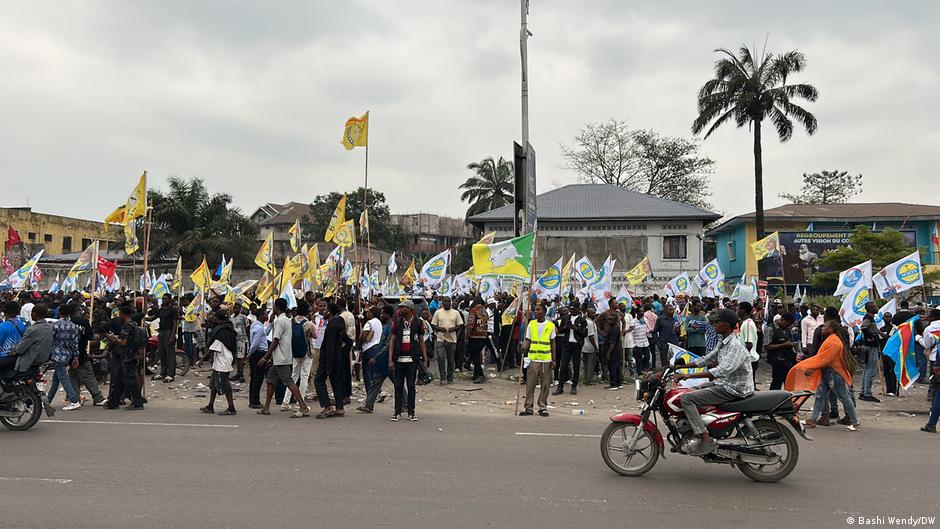
The coalition Article 64 has categorically rejected the court’s decision, warning that it paves the way for constitutional revisions they strongly oppose. Speaking to local media, spokesperson Prince Epenge delivered a defiant message to supporters: “We will not back down. We will channel our strength and energy to ensure this law never takes effect in our country.”
Epenge went further, urging citizens to remain united: “The people are angry. They must stand firm, mobilised and determined to reject a third term and any attempt at constitutional manipulation.”
Residents of Kinshasa share growing concerns over what this decision could mean for stability. As coalition leaders convened to finalise their strategy, citizens voiced fears over potential unrest and the possibility of violent clashes during demonstrations.
One resident questioned whether opposition protests would remain peaceful, emphasising the need to “avoid any loss of life.” Another expressed concern that “the political climate in the DRC could deteriorate following this ruling.”
A third interviewee alleged that “the current government is the real source of instability, frequently deploying individuals to disrupt opposition marches.”
Public sentiment also reflects deep anxiety about the impact on ordinary citizens. “The real victims will be the people,” one resident stressed, highlighting fears that civilians could bear the brunt of any escalation.
Legal victory for the government, but at what cost?
Timo Roujean, analyst at the Konrad Adenauer Foundation, cautioned that an expedited presidential signing of the law could severely undermine ongoing political dialogue. “If the president signs the text before August 15, all efforts toward constructive dialogue may collapse,” he warned.
Roujean further cautioned that the court’s decision could embolden factions advocating for confrontation. “In an already tense environment where constitutional coups are being discussed, this ruling risks fuelling the narrative that armed resistance is the only way to oppose the government.”
With the government now equipped with a legal framework and an opposition refusing to yield, the coming weeks will be pivotal in determining the trajectory of the DRC’s political crisis.