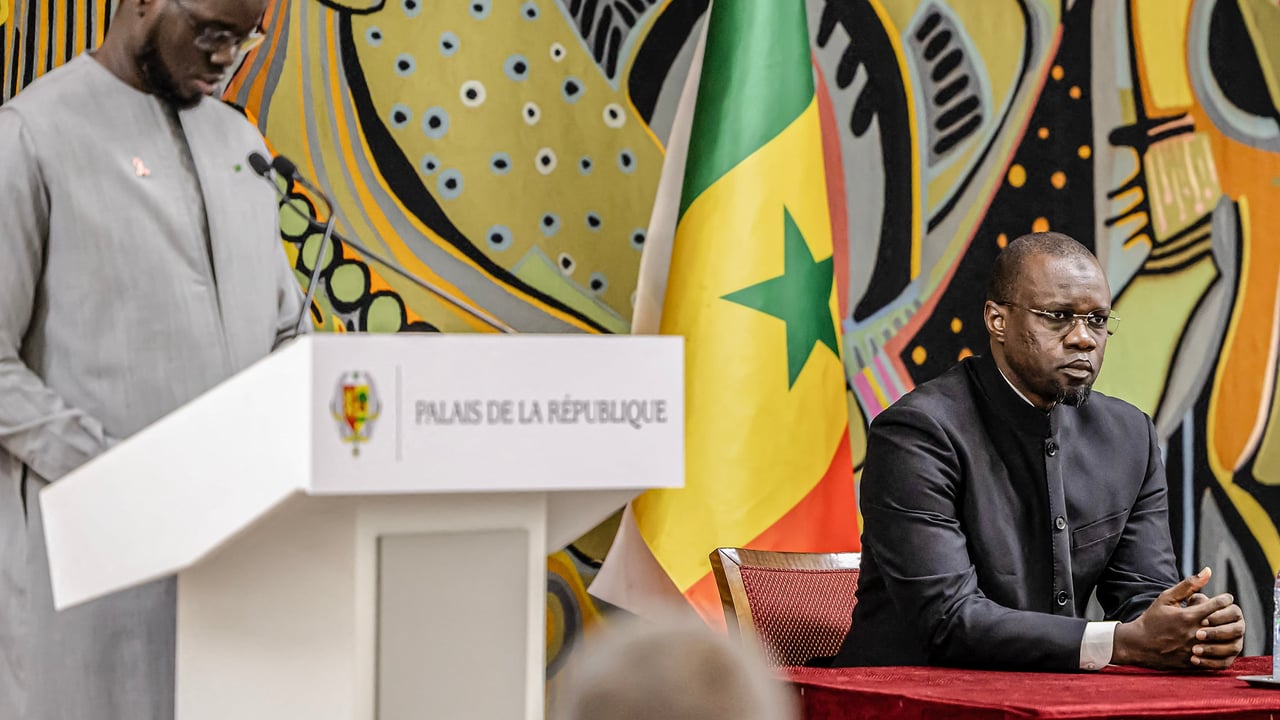
In Dakar, a gathering of political figures, diplomats, and analysts turned the spotlight back to the diplomatic legacy of former Senegalese President Macky Sall. The occasion was the public unveiling of a book by Oumar Demba Bâ, who served as the outgoing president’s diplomatic advisor. The work offers rare insights into the inner workings of Senegal’s foreign policy from 2012 to 2024, with a keynote address by former Foreign Minister Aïssata Tall Sall lending the event added significance.
Inside the corridors of power: a book reveals Macky Sall’s diplomatic playbook
Oumar Demba Bâ spent over a decade at the heart of Senegal’s presidential palace, shaping the country’s positions on major regional and global issues. From West African bloc negotiations to Sahel mediation efforts, and from Addis Ababa summits to United Nations gatherings in New York and Paris, he was instrumental in defining Dakar’s diplomatic stance. His book provides a firsthand account of decision-making processes during a pivotal 12-year period in Senegalese politics.
This publication is part of a growing trend in West Africa, where former government officials are documenting their experiences after leaving office. While such literary reflections remain uncommon in the region’s political culture, they play a vital role in preserving institutional memory for diplomats, policymakers, and researchers navigating the legacy of past administrations.
Former foreign minister tall sall shines light on Senegal’s diplomatic strategy
During the launch event, Me Aïssata Tall Sall shared detailed observations about how Macky Sall approached Senegal’s international relations. As the country’s top diplomat in the final term of Sall’s presidency, she highlighted the close working relationship between the president and his diplomatic advisor. In her account, Oumar Demba Bâ acted as a crucial but behind-the-scenes intermediary, bridging the gap between the head of state and Senegal’s international partners.
Her remarks revisited several high-stakes diplomatic challenges managed by Dakar, including Senegal’s 2022 chairmanship of the African Union, regional tensions involving Mali and Burkina Faso, and the country’s engagement with Western capitals. Me Tall Sall praised her former colleague’s disciplined approach, describing him as a key architect of Senegal’s quiet but effective international positioning. These insights elevate the book beyond personal memoir, positioning it as a valuable historical document.
Navigating political transition: a book launch amid scrutiny
The timing of the publication coincides with a period of heightened scrutiny over the previous administration’s record. Since Bassirou Diomaye Faye assumed office in April 2024, multiple investigations have been launched into public finances and strategic contracts from the Macky Sall era. In this climate, statements from former officials of the outgoing regime are being closely watched by both political circles and Senegalese civil society.
Oumar Demba Bâ’s book is not a reckoning but a contextualized narrative. Early readers describe it as an effort to frame the diplomatic achievements of the Sall administration within the constraints and trade-offs that shaped decisions in the presidential palace. This approach mirrors similar post-tenure reflections by former French or Ivorian presidential advisors, who publish their accounts to influence the historical interpretation of their time in power.
For analysts, the book’s value lies not only in its content but in the message it conveys. It signals that outgoing leaders intend to remain influential in Senegal’s public discourse, including through intellectual contributions. The true test will be how the wider Senegalese public and regional diplomatic circles receive the work, particularly in a country where debates about governance over the past decade remain highly charged.