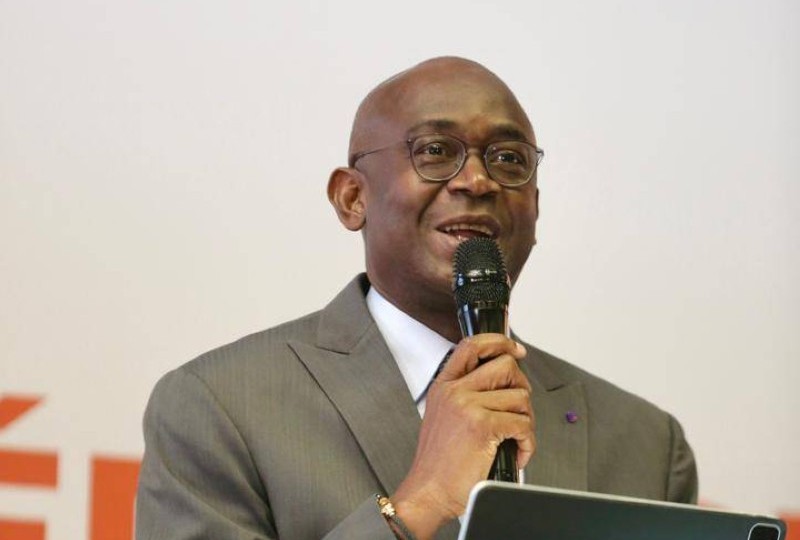
The head of the Democratic Republic of the Congo’s media regulator is taking decisive action against TikTok, warning the platform will soon be shut down for enabling rebel propaganda. Christian Bosembe, Chairman of the High Council for Audiovisual and Communication (CSAC), confirmed talks are underway with TikTok’s leadership to enforce the ban, citing national security risks posed by militant content.
The regulator condemned the presence of accounts linked to Corneille Nangaa, a figure accused of ties to the M23 rebel group, which faces allegations of atrocities against civilians in eastern DRC. Bosembe argued that such platforms should not provide a voice to individuals labeled as terrorists, especially in a nation embroiled in conflict.
ADVERTISING
Why are extremist accounts tolerated elsewhere but not in Congo?
Bosembe highlighted the inconsistency in global social media policies, questioning whether platforms would permit accounts linked to groups like Al-Qaïda in Western nations. “A Hezbollah account in France? An Al-Qaïda page in the United States? No chance,” he stated. Yet in the DRC, rebel propaganda circulates unchecked, he argued, calling the oversight a grave oversight for Congolese authorities.
The CSAC’s move comes after repeated failures to secure cooperation from TikTok, pushing Kinshasa to act. Bosembe framed the shutdown as essential to preserving public order and national unity, pointing to Gabon’s precedent of banning the app entirely.
The M23 rebellion, accused of systematic violence against civilians and mass displacement in eastern DRC, has drawn accusations of Rwandan involvement for exploiting mineral resources. Bosembe stressed that silencing digital channels used by rebels is critical to halting their influence. “The Congolese state must reclaim its dignity. That means shutting down these networks.“
Beyond TikTok, this decision underscores a broader debate on digital sovereignty in the DRC. In a climate of intense information warfare, Kinshasa aims to curb platforms accused of amplifying enemy narratives. The CSAC’s ruling could set a precedent for social media regulation during wartime.