Controversy over Senegal LGBTQ+ reportage sparks intense debate
A recent television report on LGBTQ+ rights in Senegal has ignited a fierce debate, with viewers accusing the coverage of spreading misinformation and bias. The program’s portrayal of alleged violence against homosexual individuals has drawn sharp criticism, raising questions about both journalistic ethics and the legal realities facing the LGBTQ+ community in the country.
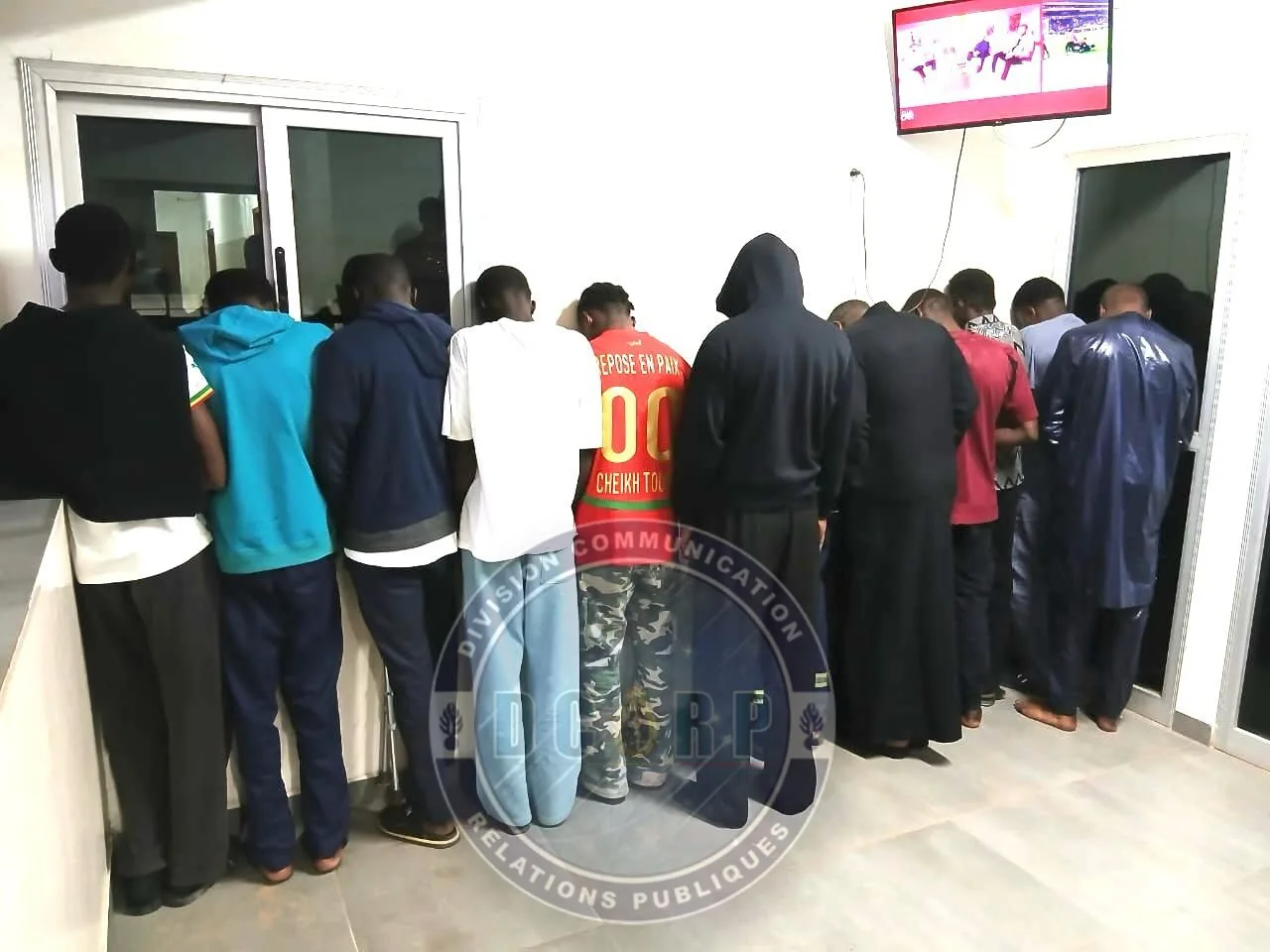
The 20:00 news segment aired on Monday, May 11, shed light on the challenges faced by homosexual individuals in Senegal. While the program highlighted claims of violence and social rejection, it also triggered a wave of backlash from viewers who argue the portrayal was skewed and unbalanced.
Anonymity and explosive claims
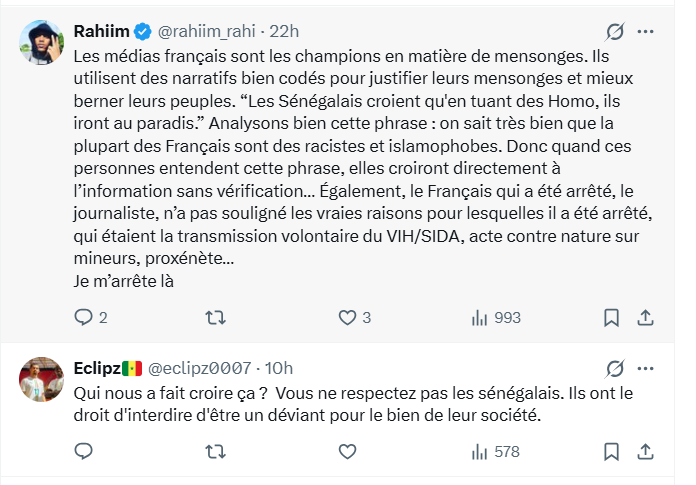
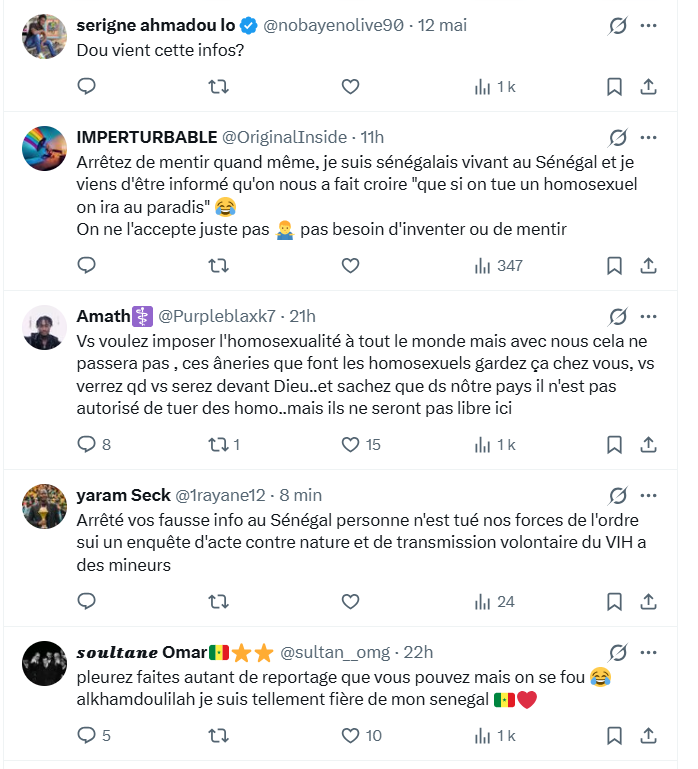
A central point of contention was the testimony of an anonymous Senegalese citizen who asserted that some in the country believe killing a homosexual would grant entry to paradise. The claim, though unverified, sparked outrage online, with many questioning its authenticity.
One viewer commented, « I am Senegalese, and this is the first time I’ve heard such a claim. » Others dismissed the report outright, labeling it as an attempt to unfairly malign Senegalese society.
Legal realities overshadowed by controversy
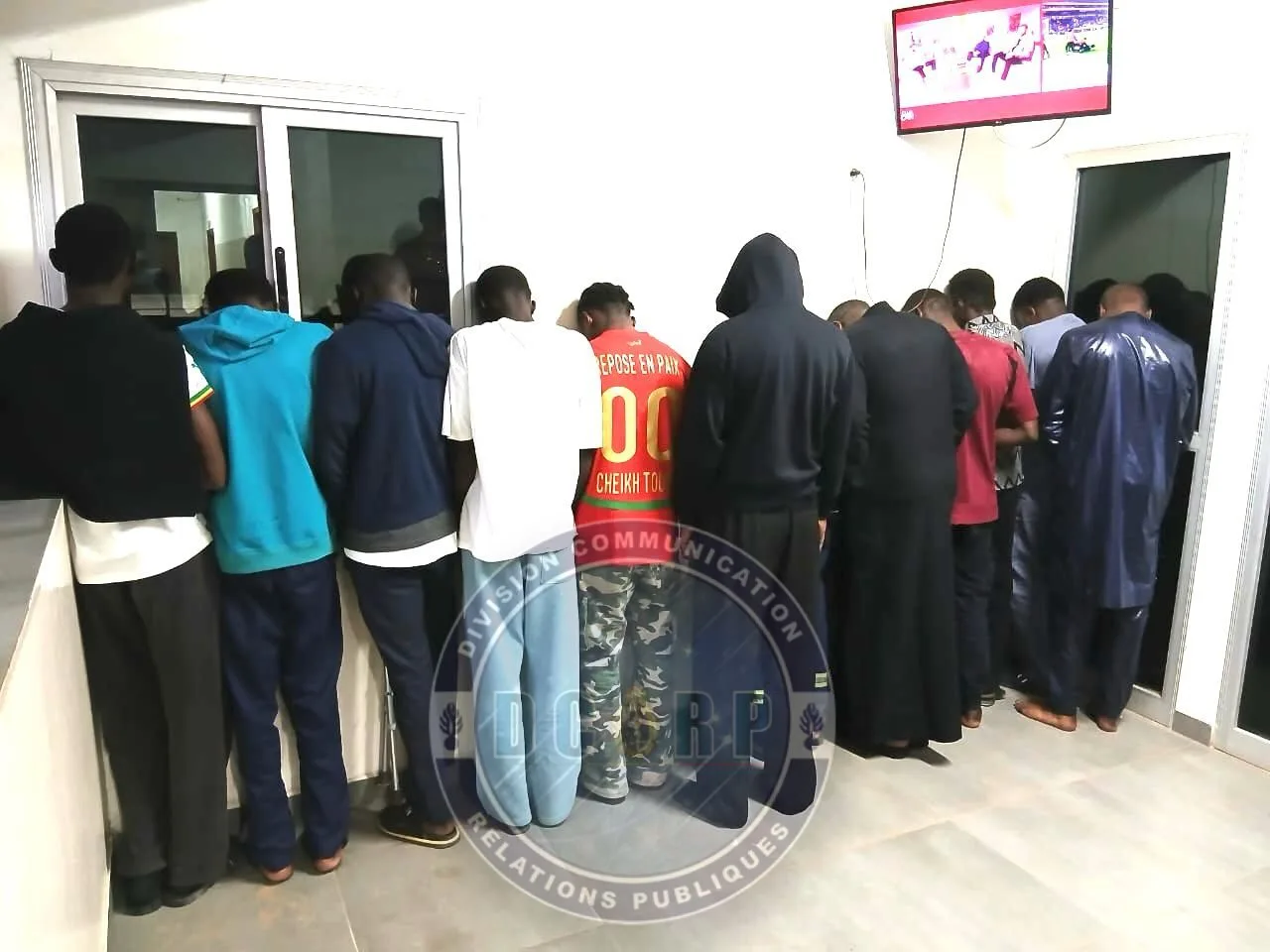
The debate intensified further as critics pointed out that the report allegedly misrepresented the legal context of recent arrests. Authorities have been detaining individuals not solely for their sexual orientation, they argued, but for the serious offense of deliberately transmitting HIV, a distinct crime under Senegalese law.
Adding to the frustration, the program featured interviews with doctors from the National AIDS Control Center without addressing the issue of deliberate transmission of the virus—a critical aspect of the ongoing legal cases.
Many Senegalese viewers see the coverage as an example of narrative manipulation, arguing that it downplayed key legal facts in favor of a sensationalized portrayal of LGBTQ+ issues.