Côte d’Ivoire: shifts in ppa-ci leadership under gbagbo’s watch
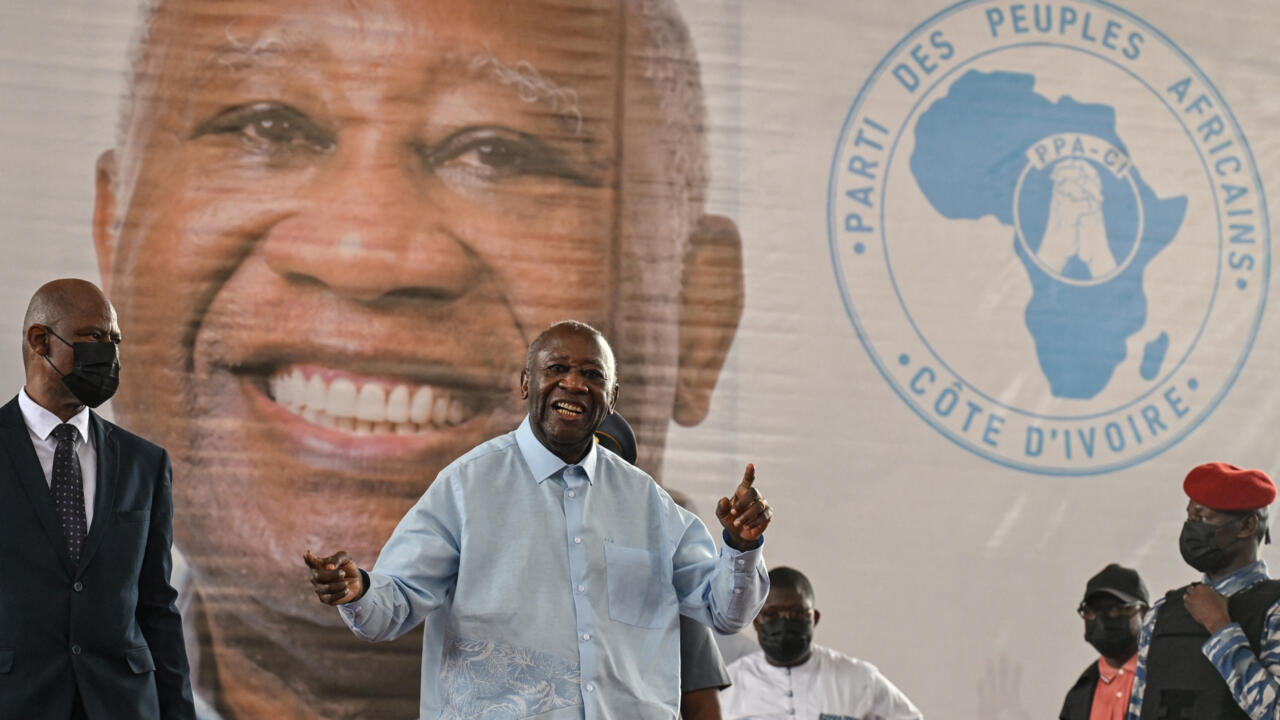
The Party of the People’s Ivorian Workers (PPA-CI) in Côte d’Ivoire is undergoing significant restructuring, with five key figures taking on expanded roles previously held by former President Laurent Gbagbo. This strategic move is seen as a deliberate step to shape the party’s future beyond his leadership.
Laurent Gbagbo, who remains the party’s leader, is delegating critical responsibilities to a new cohort of leaders. This reorganization signals a proactive transition strategy, raising questions about his long-term political vision and the party’s direction as it prepares for a future without him at the helm.
What’s driving the leadership reshuffle?
The restructuring appears to be part of a broader effort to modernize the PPA-CI and ensure its continued influence in Ivorian politics. By distributing key roles among five prominent figures, Gbagbo is fostering a new generation of leaders while maintaining a firm grip on the party’s core ideology.
Séverin Yao Kouamé, a sociologist and researcher at the University of Bouaké, suggests that this shift is not merely administrative but a calculated move to safeguard the party’s legacy. In a recent discussion, he emphasized that the changes reflect strategic foresight rather than a sudden departure from power.
Key figures stepping into new roles
The five leaders now entrusted with greater authority include:
- Political strategists tasked with refining the party’s messaging and outreach;
- Organizational coordinators overseeing internal operations and grassroots mobilization;
- Policy advisors shaping the party’s stance on national and regional issues;
- Youth engagement leaders to connect with younger voters;
- Communications specialists managing public perception and media relations.
This diverse delegation of responsibilities aims to create a more dynamic and responsive party structure, capable of adapting to Côte d’Ivoire’s evolving political landscape.
Will this ensure PPA-CI’s future?
The reshuffle has sparked debates about the party’s ability to thrive without Gbagbo’s direct leadership. Analysts note that while the move demonstrates his intent to prepare for succession, the real test will be in how effectively these new leaders can unite the party and rally support ahead of upcoming elections.
The coming months will reveal whether this restructuring solidifies PPA-CI’s position as a major political force or if internal divisions could undermine its momentum.