escalating violence in northern Mali displaces thousands
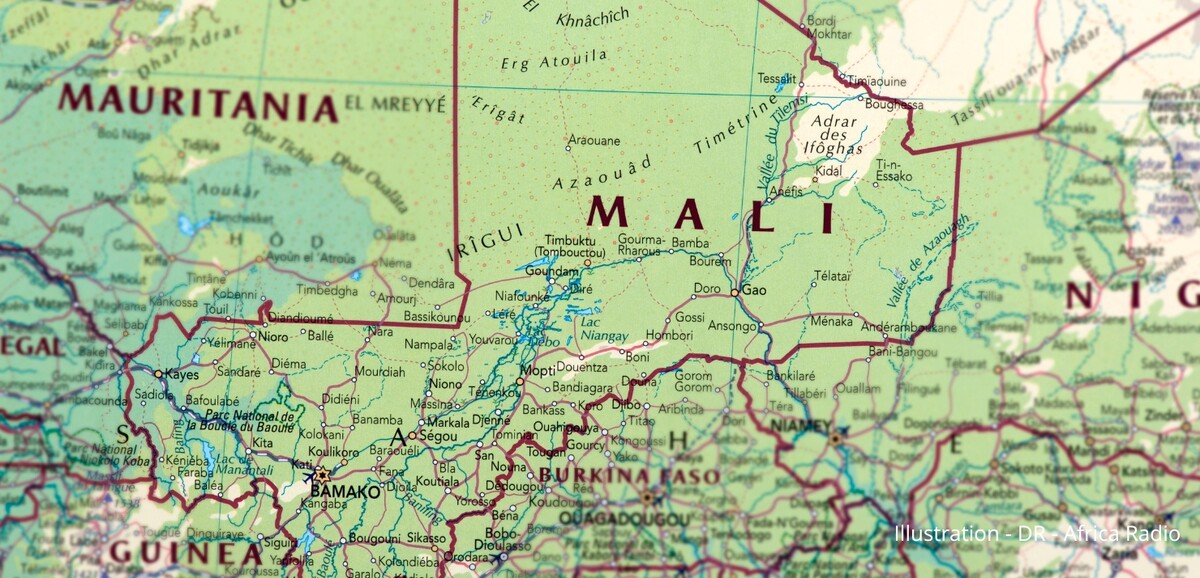
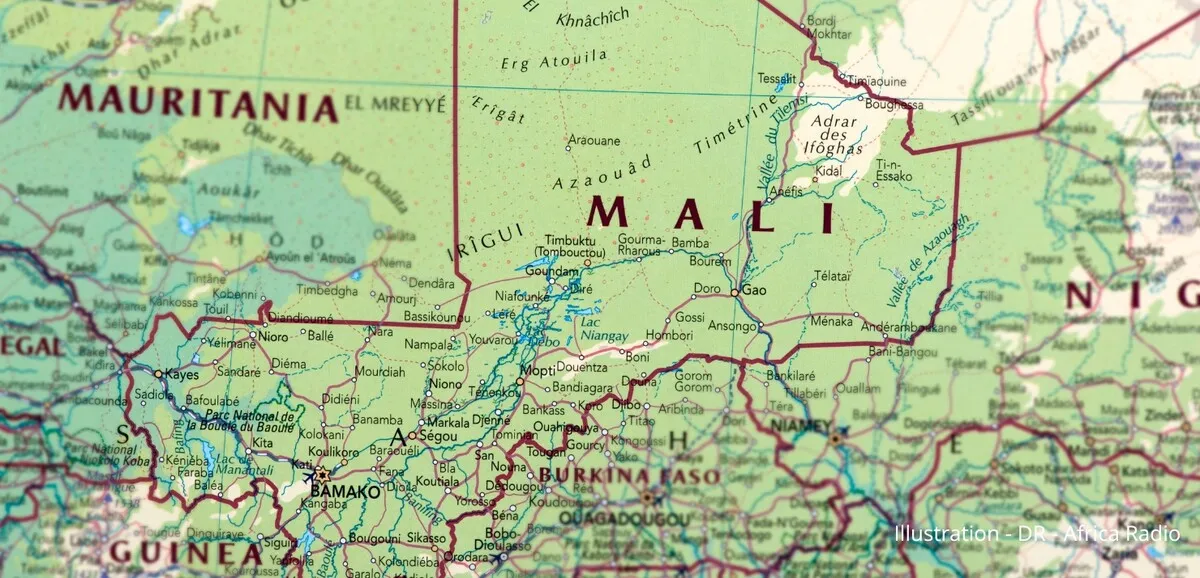
Since late April, a surge in armed clashes and aerial bombardments has forced nearly 40,000 Malians to abandon their homes in search of safety. The cities of Gao and Ménaka have become temporary shelters for many of these displaced families, with local leaders reporting over 15,000 arrivals in recent months.
Kidal becomes the epicenter of renewed clashes
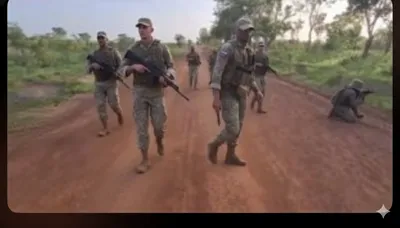
Violence has intensified across northern Mali, with Kidal emerging as a key battleground. A coalition of jihadist factions, including the Group for the Support of Islam and Muslims (JNIM), alongside separatist groups like the Azawad Liberation Front (FLA), has launched a major offensive. The fall of Kidal to these forces has triggered a wave of retaliatory strikes by Malian forces, particularly around critical zones such as Anéfis. For civilians caught in the crossfire, the consequences have been devastating—repeated displacement, abandoned villages, and shrinking access to essential services.
Gao and Ménaka struggle under the weight of new arrivals
The influx of displaced families has stretched the resources of both cities to their limits. Local officials in Gao report receiving over 7,000 new arrivals in just three months. These individuals, primarily from the Kidal region, arrive with urgent needs for shelter, food, clean water, medical care, and child protection. With Mali already hosting over 400,000 internally displaced persons, aid organizations warn that this latest wave could push an already fragile humanitarian situation into deeper crisis.
Aerial strikes exacerbate the crisis
Over the past two weeks, Malian military forces have intensified aerial bombardments in areas surrounding Kidal, including Tinzawatene. While some strikes are reported to have damaged health facilities, the full extent of the destruction remains unverified due to restricted access. What is clear, however, is the growing number of civilians fleeing combat zones, seeking refuge in urban areas where resources are already stretched thin.
A decade of instability fuels displacement
Mali’s security crisis, which began in 2012, has been driven by the rise of jihadist groups linked to Al-Qaeda and the Islamic State, as well as community-based and separatist militias. Despite efforts by transitional authorities following the 2020 and 2021 coups to restore security and reclaim territory, recent events highlight the persistent challenges. For communities in northern Mali, the recurring cycles of violence have become a brutal norm, forcing families to make impossible choices between staying and fleeing.
As Gao and Ménaka brace for further arrivals, the immediate question is no longer just about survival—but about how long these cities can continue to absorb the relentless tide of displacement.