dengue in Mali: rising cases and prevention tips
As Mali faces renewed conflict in its northern regions, the country now grapples with another urgent health crisis: a surge in dengue cases.
Health authorities in Mali are on high alert following the confirmation of dengue fever cases across several regions. This mosquito-borne illness, often overlooked in Africa due to its symptom overlap with malaria, has been officially identified in the country. Health officials have reported 12 confirmed cases in specific districts of Bamako, Kalaban Coro, and Koulikoro.
“Most cases involve adults and men,” explains Kalif Keita, Deputy Director General of Public Health and Hygiene. The similarity between dengue and malaria symptoms frequently leads to misdiagnosis, complicating tracking and treatment efforts.
A recurring threat: dengue’s history in Mali
This isn’t Mali’s first encounter with dengue. The virus was first detected in 2008, with subsequent outbreaks in 2017 and 2019. After Burkina Faso reported cases earlier this year, Malian authorities intensified surveillance. However, comprehensive data on dengue outbreaks across Africa remains scarce, primarily due to limited diagnostic resources and symptom similarities with other diseases.
Why dengue often goes undetected in Africa
- Symptom overlap: Early signs like fever, headaches, and muscle pain closely resemble malaria.
- Limited testing: Many healthcare facilities lack the tools to distinguish dengue from other febrile illnesses.
- Underreporting: Without widespread awareness, many cases remain unrecognized and unreported.
While authorities have strengthened monitoring, the lack of detailed epidemiological data makes it challenging to assess the full scope of the problem. Experts emphasize the need for improved diagnostic capabilities and public education to curb future outbreaks.
Essential prevention measures for residents and travelers
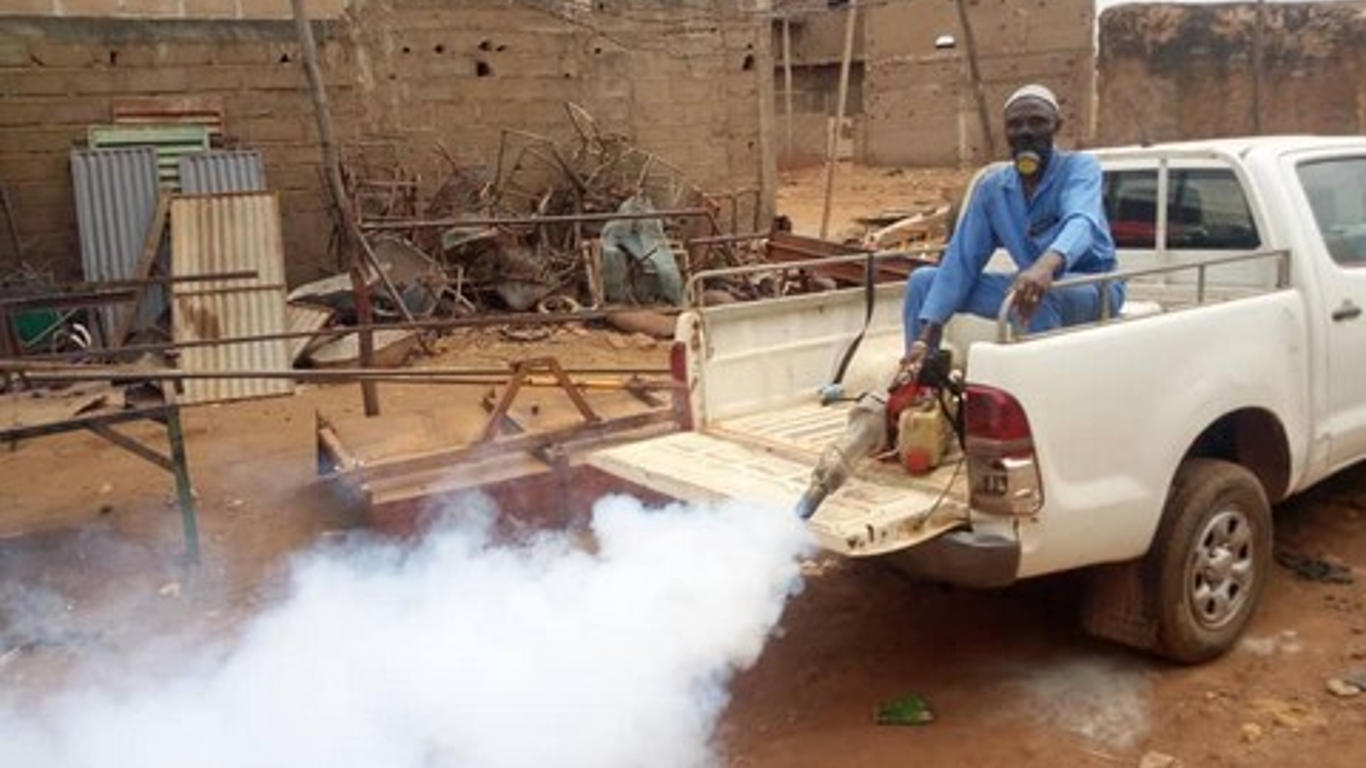
With dengue cases rising, health officials urge Malians and visitors to take proactive steps to reduce mosquito exposure. Prevention is especially critical during the rainy season when mosquito populations peak.
Key prevention strategies:
- Eliminate breeding sites: Remove standing water from containers, tires, and gutters where mosquitoes lay eggs.
- Use protective barriers: Install window screens, wear long-sleeved clothing, and apply EPA-approved insect repellents.
- Stay informed: Monitor local health advisories for dengue alerts and outbreak updates.
- Seek early care: If symptoms like high fever, severe headache, or joint pain develop, consult a healthcare provider promptly.
Dengue poses a growing threat in Mali, particularly as climate conditions and urbanization create ideal breeding grounds for mosquitoes. While the current outbreak remains localized, vigilance is essential to prevent further spread.