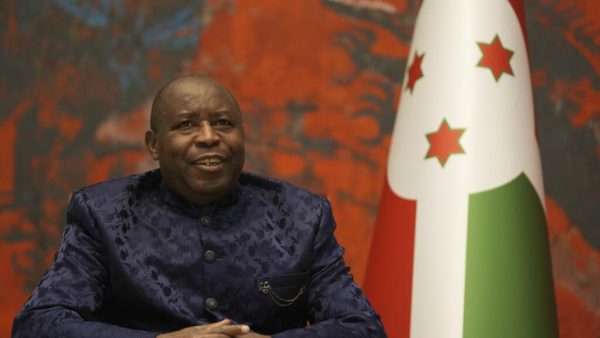
As the deadline for the planned demonstration by the Coalition Article 64 for the Defense of Constitutional Order (C64) approaches, key opposition figures from the Democratic Republic of the Congo (DRC) and religious leaders have gathered in Bujumbura. They are attending high-level political consultations convened by Burundian President Évariste Ndayishimiye, who also holds the rotating presidency of the African Union, to address the deepening political, security, and institutional crisis gripping the DRC.
The diplomatic push comes amid escalating tensions in the DRC, prompting the C64 coalition to postpone its march, now rescheduled for July 22.
CONTINUED AFTER ADVERTISEMENT
C64, CENCO, and ECC unite in Bujumbura for crisis talks
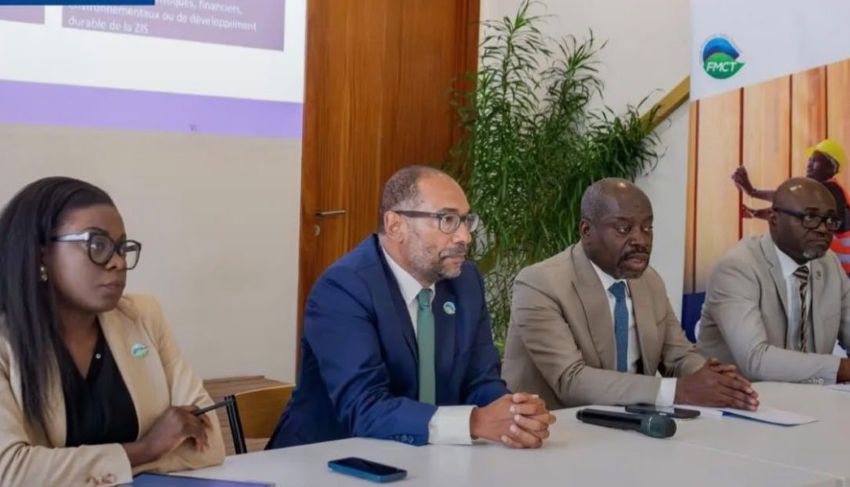
Delegations from the C64 coalition, the National Episcopal Conference of the Congo (CENCO), the Church of Christ in Congo (ECC), and the Religious Platform—including representatives from the Revival Churches—are participating in the consultations. These discussions aim to foster consensus on addressing the country’s mounting challenges.
« Representatives from various religious denominations, including priests and pastors, are present. Ejiba Yamampia is attending on behalf of the Revival Churches, alongside the full C64 coalition leadership. »
The agenda includes separate meetings with religious leaders followed by a joint audience with C64 representatives. A plenary session involving all participants will then take place under the leadership of the Burundian president.
The opposition coalition has made its position clear: all discussions must be held collectively. This demand has been met, ensuring no individual or subgroup is sidelined.
« When we refer to separate meetings, it does not imply that C64 members will be received individually. On the contrary, they will be received together—this was a non-negotiable condition, and it has been honored. »
July 22 set as new date for C64’s national march
The consultations in Bujumbura have directly influenced the decision to delay the coalition’s original July 8 protest. In a joint statement, figures such as Martin Fayulu, Moïse Katumbi, Jean-Marc Kabund, Delly Sesanga, and Augustin Matata Ponyo cited their acceptance of President Ndayishimiye’s invitation as an act of responsibility. They emphasized that any effort to uphold constitutional order warrants consideration.
The coalition intends to use these discussions to voice the population’s concerns with « clarity and resolve, » highlighting the threats they perceive to the nation’s democracy and institutions.
A united African Union prioritizes political dialogue in the DRC
This mediation effort builds on President Ndayishimiye’s recent state visit to Kinshasa, where he met with President Félix Tshisekedi. During the visit, both leaders underscored the critical need to safeguard institutional stability and national unity amid persistent security threats in eastern DRC.
As the current chair of the African Union, President Ndayishimiye has urged Congolese political and social stakeholders to embrace dialogue over confrontation, praising the openness demonstrated by DRC authorities.
With the Bujumbura consultations concluded, all eyes are now on July 22—the new date set by C64 for its national march. The coalition’s objectives remain unchanged: defending constitutional order and presenting a memorandum to President Félix Tshisekedi.