Deadly drone strike disrupts civilian life in Ukrainian railway hub
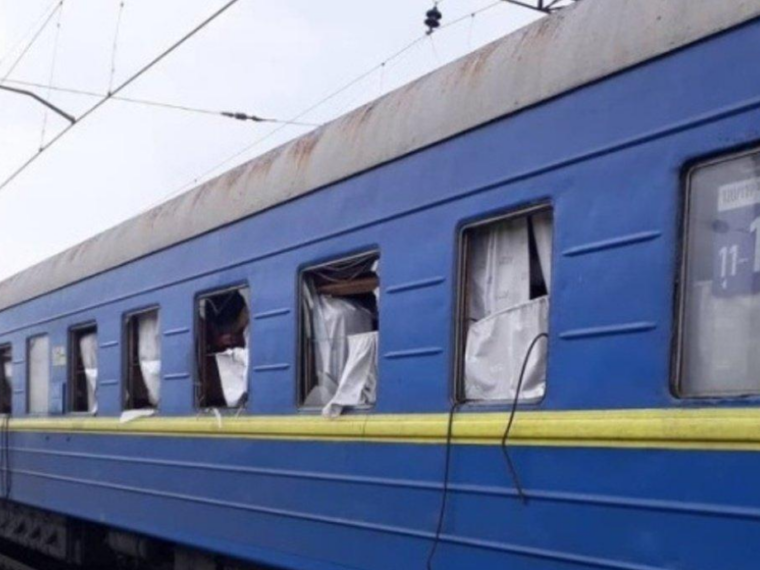
A Russian jet-powered drone struck a crowded platform at Dnipro’s central train station on October 29, 2026, killing at least 13 civilians and injuring several others, Ukrainian officials confirmed. The attack occurred as passengers awaited departure for Zaporizhzhia, underscoring the vulnerability of civilian infrastructure amid ongoing conflict.
Attack exposes risks to Ukraine’s critical railway network
The strike targeted Platform 3 of Dnipro station, where a passenger train (route #866) was preparing to depart. Ukrzaliznytsia, Ukraine’s rail operator, verified that the strike hit a civilian area packed with travelers. Rescue teams, medical staff, and law enforcement rapidly converged to treat the wounded and secure the scene.
Mayor Borys Filatov condemned the attack as senseless violence, while President Volodymyr Zelensky labeled it a horrific escalation. The tragedy highlights the persistent threats facing Ukraine’s railway system—a lifeline for movement, supply chains, and daily survival since Russia’s full-scale invasion in 2022.
Why train stations are high-risk targets in modern warfare
Railway hubs like Dnipro serve as critical nexuses for civilians fleeing danger, commuting to work, or reuniting with families. Their role amplifies their value as military objectives—even when no combatants are present. The presence of a scheduled train during the strike illustrates the challenges of evacuating civilians during aerial threats.
Ukrzaliznytsia reported that an air raid warning had been issued before the impact, yet the platform remained populated. This gap between alerts and safety raises urgent questions about response protocols in high-density civilian areas.
Drones reshape battlefields—and civilian suffering
Russia’s deployment of jet-powered drones adds a new dimension to the war’s attrition tactics. Unlike propeller-driven drones, jet variants often evade early detection due to their speed and altitude, complicating interception efforts. These attacks frequently target infrastructure vital to Ukraine’s resilience—railways, power grids, and logistics networks—despite international humanitarian law protections for civilians.
Investigators will determine the drone’s trajectory and intended target, but the civilian toll demands scrutiny. The strike’s timing and location suggest indiscriminate harm, violating core principles of proportionality in armed conflict.
Escalating pressure on Ukraine’s leaders and allies
The attack comes as Kyiv intensifies calls for Western military support to counter Russian aggression. Zelensky has urged the U.S. and EU to impose stricter measures against Moscow, framing the strike as part of a broader campaign to destabilize Ukraine. Diplomatic appeals coincide with the grim reality on the ground: each strike forces civilians to reassess the safety of everyday routines.
Human cost eclipses strategic calculations
Behind the rising death toll lie shattered families, disrupted lives, and lasting trauma. The 13 fatalities in Dnipro are not just statistics; they represent loved ones lost in transit, breadwinners unable to reach work, and communities left in mourning. Medical responders continue evacuating the wounded, but the psychological scars may persist long after the physical wounds heal.
For Ukrainians, the question is no longer theoretical: How can civilians survive when the arteries of daily life—like train stations—become battlegrounds? With no end to the conflict in sight, the answer remains elusive.
What’s next for Ukraine’s defense against drone threats?
Protecting civilian infrastructure demands robust air defense systems, but funding and technology gaps persist. Ukraine’s allies have pledged additional systems, yet the adaptation of tactics—such as real-time threat alerts or restricted platform access during alerts—requires immediate implementation.
As the investigation into Dnipro’s strike unfolds, one truth emerges: the war’s humanitarian toll extends far beyond frontline clashes. When a railway station becomes a target, the war’s cruelty invades the most ordinary moments of life.