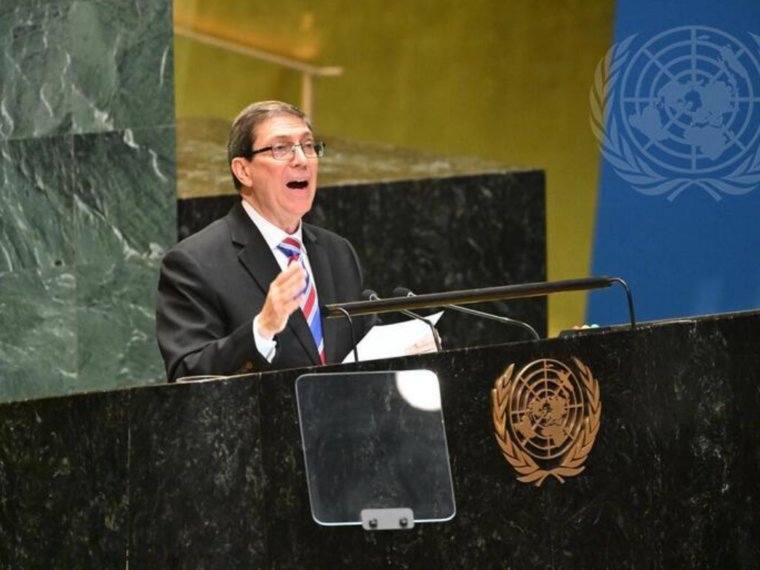
The United Nations General Assembly voted on October 28, 2026, with 130 countries supporting a resolution to end the U.S. embargo on Cuba, while 17 opposed it and 25 abstained. Among the dissenters, Morocco stood out as the only African nation to reject the measure. This vote highlights a realignment in diplomatic alliances surrounding the Cuban issue, diverging sharply from the continent-wide consensus.
What the UN vote reveals about global and continental shifts
For the 34th consecutive year, the UN General Assembly passed a resolution urging Washington to lift its decades-old embargo on Cuba. Despite a clear majority in favor, the breakdown of votes exposes a significant shift: Morocco was the sole African nation to reject the resolution, bucking the continental trend of either supporting or abstaining from the measure.
The vote, held in New York, confirmed widespread international support for ending the embargo. However, it also revealed a notable decline in backing compared to 2025. Last year, 165 countries voted in favor, seven opposed, and twelve abstained. The drop in support underscores a changing diplomatic landscape, with fewer nations willing to back the resolution outright.
Why Morocco’s vote stands apart in Africa
While African countries overwhelmingly endorsed the resolution or chose neutrality, Rabat’s decision to oppose the text sets it apart. The move departs from a long-standing continental stance that prioritizes opposition to unilateral economic sanctions, viewing them as violations of state sovereignty and free trade principles.
Historically, African nations have rallied behind Cuba on this issue, framing the embargo as a symbol of broader injustices in international relations. Morocco’s vote challenges this narrative, raising questions about its motivations without an official explanation. The absence of clarity leaves analysts speculating about Rabat’s strategic considerations and potential shifts in its foreign policy priorities.
From abstention to opposition: Morocco’s evolving stance on the embargo
2026’s vote also revealed another noteworthy development: Morocco flipped from abstention in 2025 to outright opposition this year. This change adds weight to its position and reflects broader diplomatic maneuvers by the U.S., which intensified efforts to sway member states against the resolution. Several countries, including Germany and Italy, moved from supporting the text to abstaining, signaling a broader realignment in global attitudes toward the embargo.
While Morocco’s shift aligns with Washington’s lobbying, attributing the vote to a desire for closer ties with the U.S. remains speculative. Without a public statement from Rabat, the true drivers behind its decision remain unclear. What is certain is that the kingdom’s move breaks from continental solidarity on this issue, even if the reasons behind it are open to interpretation.
The Cuba embargo: a half-century of contention
Imposed in the early 1960s, the U.S. embargo has strangled Cuba’s economy for over six decades. Washington justifies the measures by citing human rights concerns and Cuba’s political system. Havana, in turn, condemns the embargo as an economic stranglehold that exacerbates shortages, fuels energy crises, and disrupts daily life for its citizens.
The resolution adopted by the UN calls for easing these restrictions, arguing that lifting the embargo would alleviate economic pressures on Cuba. Critics counter that the embargo’s impact is overstated and point to Cuba’s internal mismanagement as the root of its economic woes. This debate has fueled a decades-long diplomatic standoff, with no resolution in sight.
The UN vote carries no legal weight—it is a symbolic gesture that reflects global opinion but lacks enforcement power. The embargo’s future ultimately lies in the hands of U.S. authorities, particularly Congress. Still, the vote’s outcome underscores shifting international perceptions and the fractures in global solidarity.
What Morocco’s vote signals for Africa and global diplomacy
Morocco’s opposition to the resolution marks a departure from continental unity on Cuba. While the resolution passed with a substantial majority, the vote highlights the fluidity of diplomatic alignments. Nations that once stood together on this issue are recalibrating their positions, whether out of strategic interests or evolving geopolitical priorities.
For Morocco, the unanswered question is whether this vote signals a permanent shift in its foreign policy or a temporary divergence. Without an official rationale, the move remains an outlier—one that warrants closer examination as Rabat navigates its role in the evolving global order. For the rest of Africa, the vote serves as a reminder that even on moral or principled issues, unity is not guaranteed.