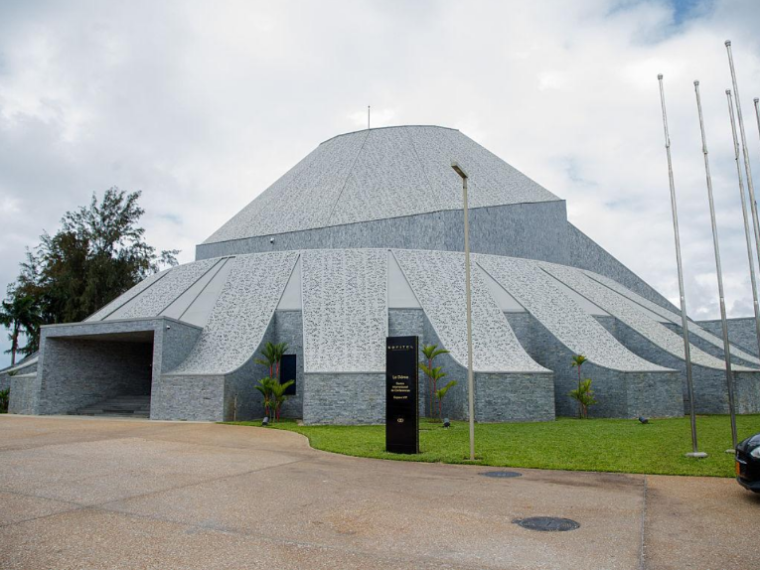
As Benin’s upper house convened its first ordinary session on October 28, 2026, in Cotonou, Senate President Patrice Talon framed the institution’s core mission as political mediation. The timing was deliberate, coming just as Senegal grappled with a high-stakes budget dispute that threatened to derail the 2026 fiscal agenda. With both nations watching closely, the question is clear: can an empowered senate prevent the kind of institutional paralysis currently unfolding in Dakar?
A senate designed to prevent political deadlock
The Beninese Senate, established through the 2025 constitutional reform, is now fully operational with 25 elected members. From its inception, its purpose has been unambiguous — to serve as a stabilizing force amid political tensions. As Talon stated during the session’s opening, “The Senate’s role is to calm the political arena, nothing more.”
While its mandate includes protecting civil liberties, democratic norms, and national cohesion, its most critical function may be its new arbitration power. This mechanism allows the Senate to be consulted when disputes arise between the presidency and the National Assembly over legislative content. In select cases — excluding financial laws — the chamber can request a second reading, providing a structured forum for resolving disagreements before they escalate into full-blown crises.
The objective is not to silence opposition or eliminate dissent, which are vital to democracy, but to channel conflict into institutional dialogue. The hope is to prevent disagreements from hardening into permanent stalemates that paralyze governance and delay essential services.
Senegal’s budget crisis highlights the cost of unresolved disputes
Across the border, Senegal’s ongoing budget dispute offers a cautionary tale. In late October, the National Assembly’s Finance Committee rejected a proposed 2026 supplementary budget bill and two government amendments, according to official accounts. The rejection underscored deep divisions over fiscal adjustments meant to align revenue projections and spending allocations with current economic realities.
On October 27, Finance Minister Cheikh Diba requested the bill’s deferral to committee for further negotiations. Though the full Assembly had not yet rejected the measure, the episode demonstrated how budgetary conflicts can stall public action. Stakes include funding for social programs, infrastructure investment, and the state’s ability to respond to citizen needs in real time.
The contrast is striking: while Dakar’s dispute plays out in public confrontation, Cotonou is charting a course toward institutional mediation. Yet both cases expose the same vulnerability — when political rivalry overtakes governance, the state’s ability to function is at risk.
Can mediation prevent legislative paralysis without stifling debate?
The Beninese Senate’s role is not without limits. Under current rules, financial laws — including supplementary budgets — remain outside its mediation scope. Still, its broader mandate to review constitutional amendments, electoral reforms, and political party regulations gives it significant influence over the legislative process.
The real test will come when political tensions flare outside the budget arena. Will the Senate’s voice be heard? Will its rulings carry weight in a system where power is concentrated? Effectiveness will depend not on ambition alone, but on consistent application of its powers and respect for constitutional balance.
The stakes are high. Beyond partisan rivalries, the outcome shapes whether Benin can sustain policy continuity, protect public services, and maintain investor confidence. As Talon emphasized during the session, stability is not an end in itself — it is the foundation for progress. For now, the Senate’s actions will determine whether it becomes a shield against gridlock or just another layer of bureaucracy.