Established nearly four months ago in Montreux, the Joint Expanded Verification Mechanism (MCVE+) was designed to monitor compliance with the ceasefire between Kinshasa and the AFC/M23. Yet, its operations have yet to commence. The primary obstacle? The AFC/M23’s expulsion of one of the three Congolese officers deployed to Goma in mid-July to represent the FARDC within the framework. The movement, backed by Rwanda, accuses the officer of having previously served in military intelligence. How are Congolese authorities responding to these allegations? What are the on-the-ground implications of this impasse?
Origins of the deadlock
Initiated in Montreux as part of peace negotiations aimed at stabilizing the eastern Democratic Republic of the Congo (DRC), the MCVE+ was intended to serve as a neutral third-party mechanism. However, the AFC/M23’s decision to expel a Congolese officer—citing their belief that he was formerly affiliated with military intelligence—has brought the entire process to a standstill. The officer in question, deployed on July 15, was one of three representatives tasked with verifying ceasefire compliance.
The AFC/M23’s move has triggered a chain reaction. Without a full complement of officers, the verification mechanism cannot function, leaving the ceasefire agreement in a state of limbo. The expelled officer’s alleged ties to intelligence agencies have been cited as a breach of trust by the AFC/M23, but Congolese authorities vehemently deny the accusations.
Congolese authorities respond
The Congolese government has strongly refuted the AFC/M23’s claims, labeling the expulsion as an unjustified and politically motivated act. Officials argue that the officer’s credentials were thoroughly vetted before deployment and that his expulsion undermines the integrity of the peace process. The DRC’s stance is clear: the expulsion is an attempt to derail the MCVE+ before it can even begin its work.
Meanwhile, diplomats and regional observers are expressing concern over the stalled mechanism. The absence of a functioning verification system not only delays the implementation of the ceasefire but also risks reigniting hostilities in a region already plagued by volatility. The AFC/M23’s actions have cast a shadow over the credibility of the peace talks, raising questions about the movement’s commitment to the process.
Consequences for eastern DRC
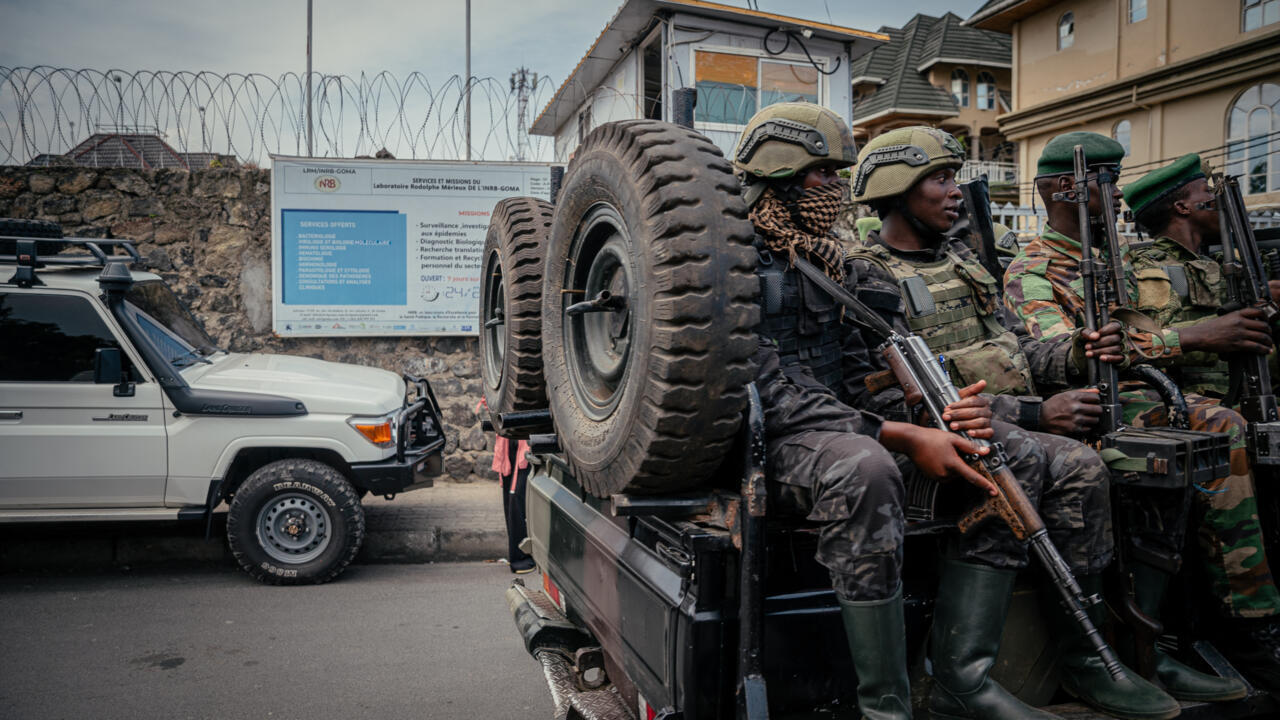
The paralysis of the MCVE+ has immediate and severe consequences for eastern DRC. With no mechanism in place to monitor violations, the risk of renewed clashes between the FARDC and the AFC/M23 has surged. Civilians in North Kivu and South Kivu, already bearing the brunt of years of conflict, now face heightened uncertainty and insecurity.
Local communities, exhausted by decades of instability, are calling for urgent action to resume the verification process. Protests have erupted in both North and South Kivu, with citizens demanding peace and an end to the violence that has plagued the region. The stalled mechanism not only delays the resolution of the crisis but also exacerbates humanitarian challenges, including displacement and food insecurity.
Analysts warn that prolonged inaction could embolden armed groups, further destabilizing the region. The AFC/M23’s refusal to reinstate the expelled officer and allow the MCVE+ to function signals a dangerous escalation in the conflict, one that could spiral out of control without international intervention.
Path forward: Can the deadlock be broken?
Breaking the current impasse will require decisive action from all parties involved. Congolese authorities have called for the immediate reinstatement of the expelled officer and the resumption of the MCVE+’s operations. They argue that the officer’s alleged ties to intelligence agencies are baseless and that his expulsion is a deliberate attempt to sabotage the peace process.
The AFC/M23, however, remains steadfast in its position, insisting that the officer’s presence would compromise the integrity of their forces. The movement has demanded additional guarantees before reconsidering its stance, further complicating efforts to restart the verification mechanism.
Regional and international mediators are urging both sides to find a compromise. The stakes are high: without a functioning verification system, the ceasefire agreement risks collapsing entirely, plunging eastern DRC back into full-scale conflict. The international community’s role in facilitating dialogue and pressuring both parties to adhere to their commitments has never been more critical.
For now, the future of the MCVE+—and the peace it was designed to uphold—hangs in the balance. The expelled officer’s fate may well determine whether eastern DRC can finally achieve the stability it so desperately needs.