Central African Republic’s MPC faces internal strife as Russian mercenaries take decisive role
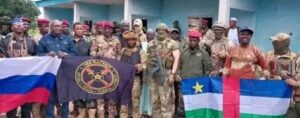
The Movement of Central African Patriots (MPC) is grappling with deepening internal divisions as Russian-affiliated mercenaries have officially entered the conflict, dramatically altering the power dynamics in Bossangoa and surrounding regions. This intervention has forced the movement’s former leader, Didot Ali, and his designated successor into a precarious position, triggering a chain of strategic realignments.
Mercenary involvement reshapes MPC leadership
Reports from the ground confirm that Russian-backed forces have assumed an active role in the Central African Republic’s ongoing security challenges, particularly within the MPC’s operational zones. Their direct intervention has compelled Didot Ali, a prominent figure in the movement, to relocate alongside his successor, intensifying speculation about the group’s future direction and internal cohesion.
Bossangoa becomes flashpoint in shifting power structures
Bossangoa, a strategic city in the northwest, has become a focal point as rival factions vie for control. The presence of Russian mercenaries has not only heightened tensions but also accelerated the need for immediate political and military recalibrations within the MPC. Local observers warn that this development could further destabilize the region if left unchecked.
What’s next for the MPC and its leadership?
The MPC now faces critical decisions as external actors reshape the conflict landscape. Will Didot Ali and his successor adapt to this new reality, or will the movement fracture under the pressure of competing agendas? The coming weeks will be pivotal in determining whether the MPC can maintain its unity—or if the Russian mercenaries’ involvement will cement their dominance in Central African Republic’s security dynamics.