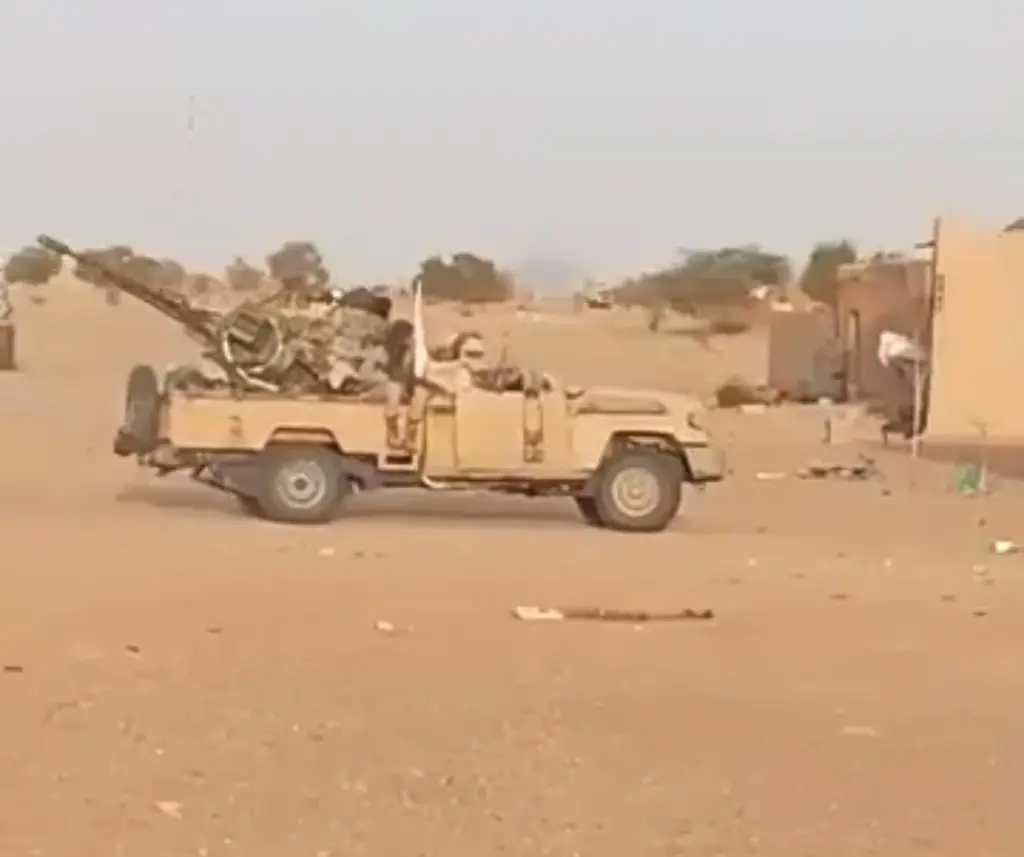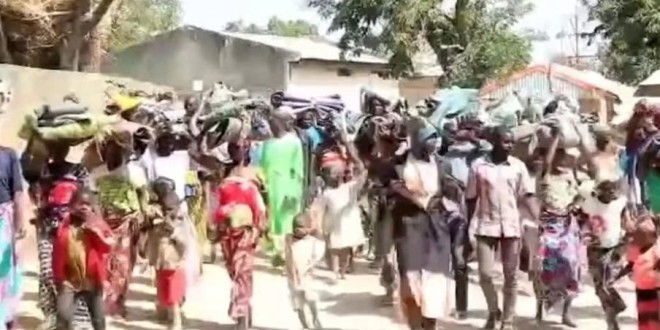
The Mayo-Tsanaga region in Cameroon is grappling with a devastating humanitarian crisis as Boko Haram’s insurgency escalates, leaving behind a trail of abandoned villages and broken lives. For over a decade, this once-thriving area has been reduced to ashes, yet the response from authorities remains alarmingly insufficient.
Boko Haram’s terror campaign, which originated in Nigeria’s Borno State in the early 2000s, crossed into Cameroon in 2014. The first strike on Cameroonian soil occurred at Mount Gossi in the village of Tourou, approximately 35 kilometers from Mokolo. Since then, the insurgents have entrenched themselves in the region, launching relentless attacks that have shattered communities.
The tactics employed by Boko Haram are ruthless: entire villages are torched, civilians are massacred, women are subjected to violence, and children are abducted. Schools, health centers, markets, and places of worship are systematically targeted. The Mayo-Tsanaga region, stretching from Mokolo to Koza and Mayo-Moskota, has borne the brunt of this onslaught. Over 50 villages have been forcibly evacuated, their populations either killed or displaced. Among the hardest-hit areas are Gossi, Vizik, Ldamang, Magoumaz, Dinglding, Chougoulé, Oupai, Houdahai, and many others, where the scars of violence run deep.
The situation reached a critical point in May 2022, when the fifth deputy mayor of Mokolo, Mahadek Nicolo Nouhou, presented a grim assessment to the Minister of Public Health, Manaouda Malachie. At the time, ten villages had been entirely deserted, two were under Boko Haram’s control, and seven faced regular assaults. The insurgents have since solidified their grip on areas like Gossi, Toufou 1, Toufou 2, Roum, and Hitawa, forcing residents to flee in haste.
An Abandoned Population in Peril
The terror extends beyond daylight hours. As night falls, fear takes over. Men flee to mountain caves, sharing shelter with wildlife to avoid Boko Haram’s night raids. Women and children remain in hiding, emerging only at dawn to tend to fields or salvage what little remains of their livelihoods. The psychological toll is immeasurable: communities once united by tradition now live in constant dread, their trust in institutions eroded by years of neglect.
Despite the scale of the crisis, the Cameroonian government’s response has been woefully inadequate. In Ldamang and Ldubam, two soldiers were the sole defense during a brutal attack on June 18, 2026, where villagers were wounded and kidnapped. Local vigilance committees, armed with rudimentary tools, are left to fend off heavily armed insurgents—a stark contrast that underscores the state’s failure to protect its citizens.
The Silence of the Elite: A Betrayal of Trust
The Mayo-Tsanaga is home to influential figures—administrative leaders, politicians, and elites who wield significant influence. Yet their response to this catastrophe has been one of deafening silence. During electoral campaigns, promises flow freely, but when villages burn and lives are lost, these same leaders retreat into obscurity. Visits by ministers yield temporary headlines, but the violence persists unabated. The question lingers: Why do the cries of the Mayo-Tsanaga go unheard?
Displacement and Despair: A Humanitarian Nightmare
The exodus from the Mayo-Tsanaga is staggering. Over 9,000 people have been displaced, with numbers swelling as fresh attacks force more families to abandon their homes. In early June 2026 alone, 482 individuals—78 households—fled Mokolo, Koza, and Mayo-Moskota. The crisis has spilled into neighboring regions like Mayo-Danay, where 300 displaced persons from Mokolo sought refuge in Kalfou, nearly 210 kilometers away.
The human cost is devastating. Families are torn apart in the chaos of attacks, leaving children orphaned or stranded. Educational opportunities vanish as schools close, while young girls face the grim prospect of early marriages or recruitment into extremist groups. The loss of identity documents—birth certificates and national IDs—burned in the ashes of their homes, strips survivors of their legal existence, complicating access to aid and future prospects.
The agricultural backbone of the region has collapsed, markets lie in ruins, and economic activity has ground to a halt. Without urgent intervention, the Mayo-Tsanaga risks irreversible depopulation, its once-vibrant communities replaced by ghost towns. The question remains: How many more villages must be erased before the state acts?