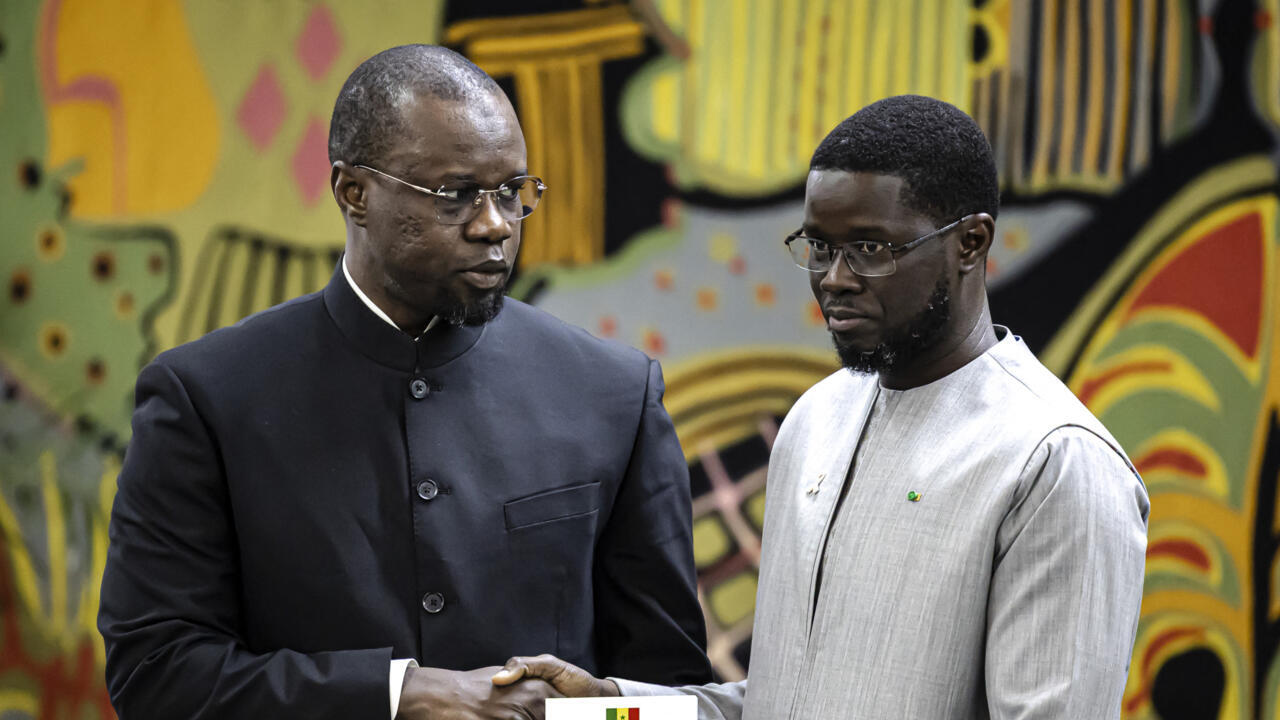
Senegal’s evolving political landscape and global crises
In this week’s edition, seasoned African journalists dissect the latest developments in Senegal’s political arena, the escalating tensions in the Middle East, and the implications for Africa ahead of the 2026 World Cup.
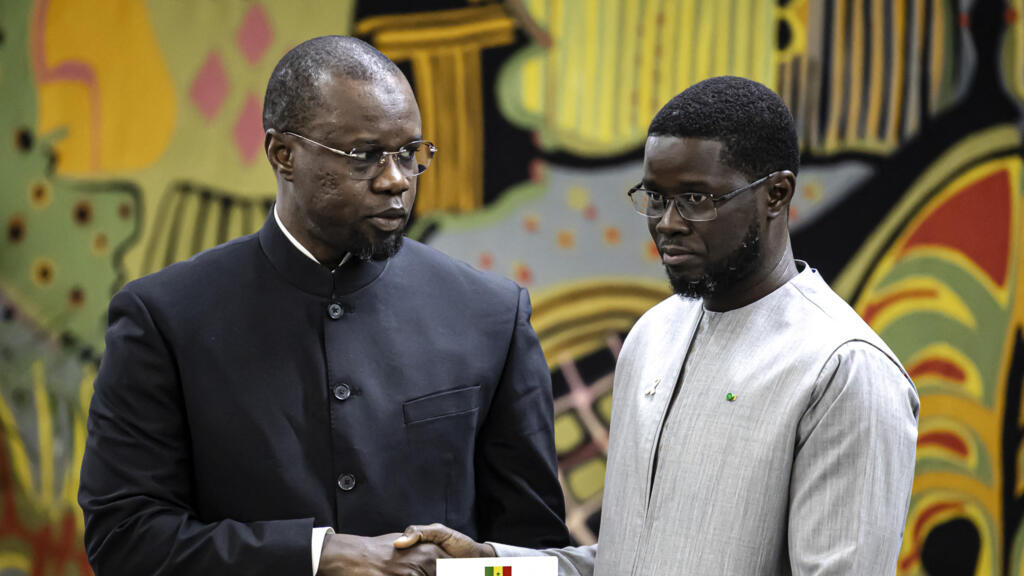
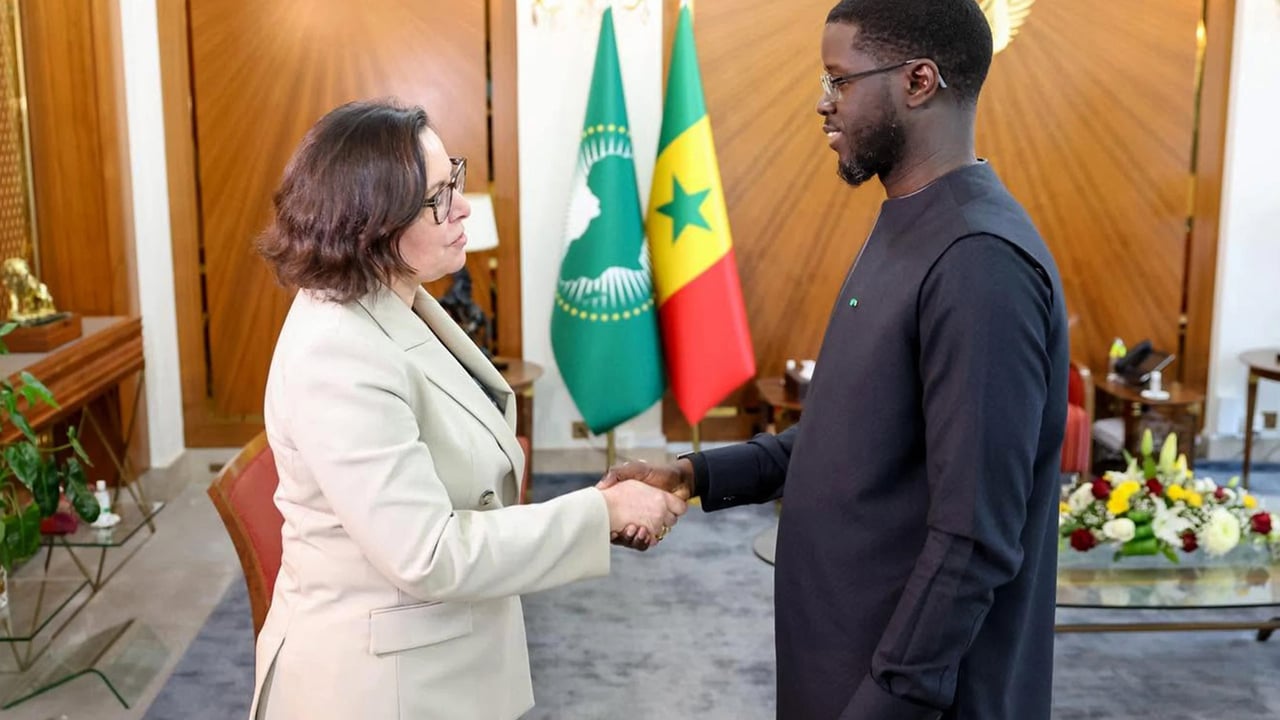
President Bassirou Diomaye Faye of Senegal faces a pivotal moment in his administration as the country’s political dynamics shift dramatically. The recent establishment of a presidential party, combined with the constitutional reform overturned by the Constitutional Council—originally championed by Ousmane Sonko’s Pastef majority in the National Assembly—has set the stage for a new phase in Faye’s presidency. Will these strategic moves win over opposition factions and unite the Senegalese public behind his vision?
Meanwhile, the Middle East remains a powder keg as new rounds of military strikes and retaliations intensify. The latest exchange has left observers questioning whether the fragile ceasefire can hold. With tensions reaching a boiling point, could this escalation trigger a broader regional conflict? The stakes have never been higher for global stability.
This episode features a panel of esteemed African journalists who bring their expertise to the table:
- Wuldath Mama, a Beninese investigative journalist specializing in international affairs
- Eric Topona, a Chadian journalist with the Deutsche Welle’s Francophone Africa desk
- François Hiondi Nkam, a Cameroonian senior reporter and Economics Editor at the daily newspaper *Le Jour*
Together, they analyze the week’s most pressing stories, offering insights that shape Africa’s perspective on global events.